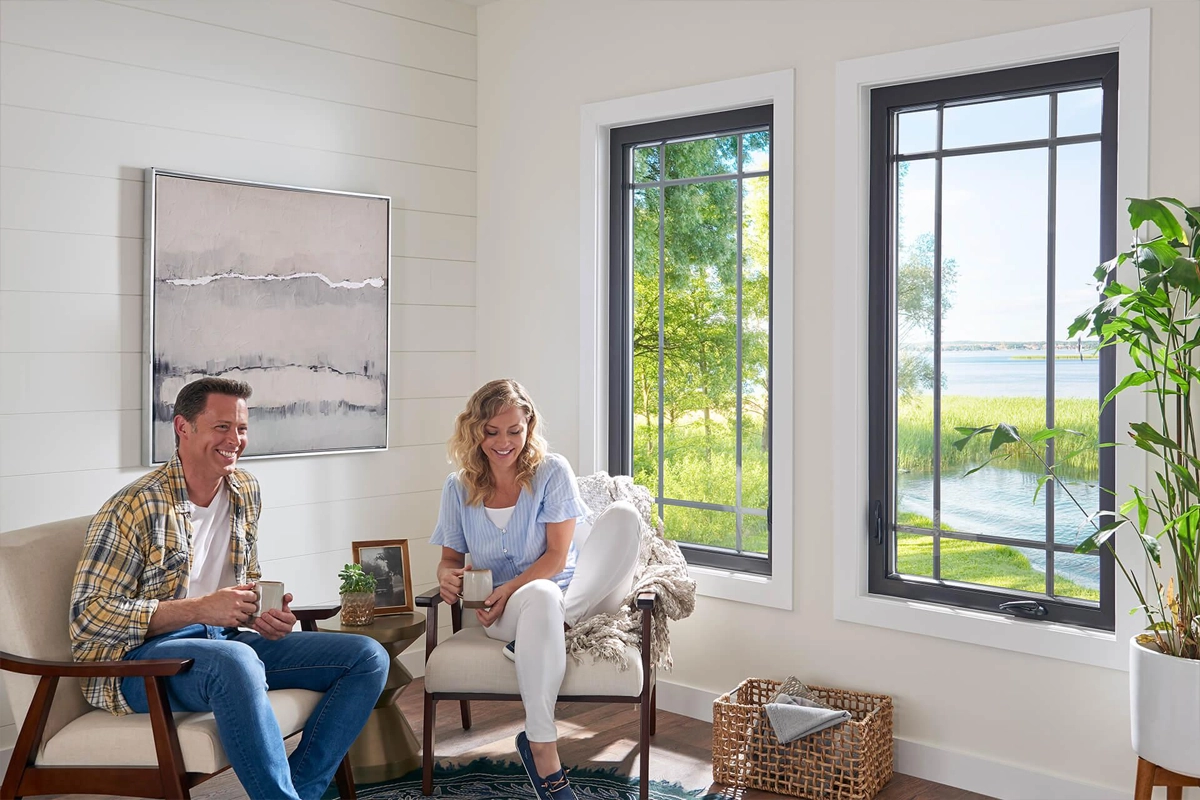
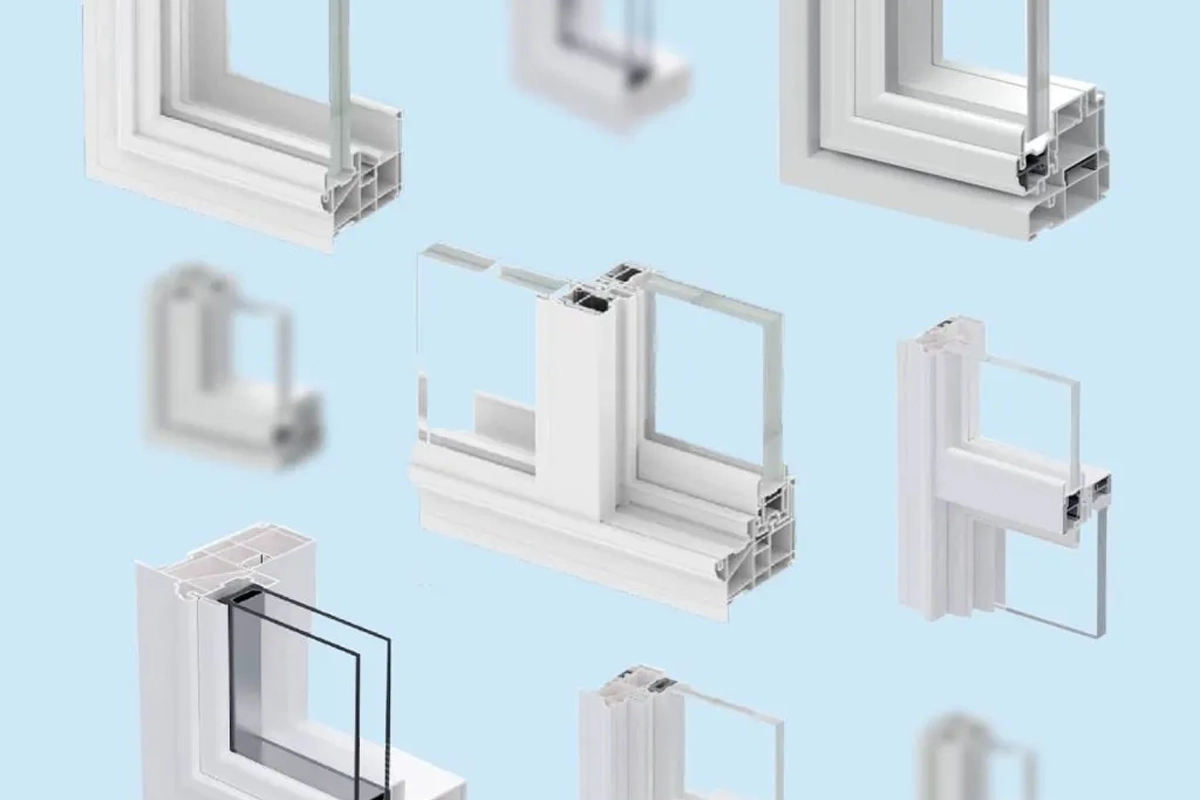
Casement windows are hinged on one side and open outward, usually with a crank or handle.
For Florida homes, an approved impact-rated casement can combine storm protection with wide ventilation and a relatively unobstructed view.
But the operating style changes how the window should be planned.
Why choose a casement window?
Casement windows can work well when a homeowner wants:
- Wide ventilation
- A clean glass area
- Easy operation from over a counter
- A tighter compression-style closing action
- An operable window that can sometimes provide useful egress dimensions
The exact product still needs to satisfy the opening’s approval and pressure requirements.
Are impact casement windows approved for Florida?
Yes.
Current manufacturer approval resources list impact-rated casement products with Florida Product Approval and Miami-Dade approval paths.
PGT’s current WinGuard Aluminum and WinGuard Vinyl approval pages, for example, both list impact casement products.
That does not mean every size or configuration is approved.
Verify the exact:
- Series
- Approval
- Maximum size
- Design pressure
- Glass
- Anchorage
- HVHZ applicability
Can a casement window help with bedroom egress?
Potentially.
Because the sash opens outward, a casement can provide a relatively large clear opening compared with some sliding or single-hung configurations of similar rough-opening size.
But bedroom emergency-escape compliance depends on the actual clear opening dimensions and applicable code, not the word “casement.”
See our Florida bedroom egress guide before changing window styles in a bedroom.
What about screens?
Casement windows typically use an interior screen because the sash opens outward.
That can be convenient for access, but the screen is a separate component from the impact system.
A screen does not create hurricane-impact protection.
How does a casement handle wind and rain?
When closed, casement sashes use hardware and seals designed for the product’s tested performance.
Still, homeowners should compare the exact product’s:
- Design pressure
- Water performance
- Air leakage
- Impact approval
Do not assume the operating style alone guarantees better weather performance.
What maintenance matters?
Inspect and maintain:
- Crank operator
- Hinges
- Locks
- Keepers
- Weatherstripping
- Screen
- Perimeter sealant
- Drainage paths
- Coastal-exposed hardware
If a sash becomes difficult to operate, do not force the mechanism until the cause is identified.
When might another window style be better?
A horizontal roller can be easier where an outward-opening sash would interfere with:
- Walkways
- Landscaping
- Exterior furniture
- Narrow side yards
A fixed window can make sense where ventilation is unnecessary.
A single-hung can preserve a familiar vertical operating style.
Our single-hung vs horizontal roller guide covers two common alternatives.
Frequently asked questions
Do casement windows open outward?
Most residential casement windows are side-hinged and open outward. Verify the exact product.
Are casement windows impact rated?
Impact-rated casement systems are available. Confirm the exact Florida Product Approval or Miami-Dade approval.
Are casements good for bedrooms?
They can be, but emergency-escape compliance depends on the actual clear opening and applicable code.
Do casement screens provide storm protection?
No. The screen is not the impact-protection component.
Authoritative sources
- PGT Windows & Doors — WinGuard Aluminum approvals
- PGT Windows & Doors — WinGuard Vinyl approvals
- Florida Building Commission — Product Approval Search
The bottom line
Casement impact windows can be an excellent choice where ventilation, views and operating access matter—but the right selection still depends on opening size, egress, pressure, approval and exterior clearance.
Explore AA Glass & Windows’ casement window service or request a free estimate to compare options.