Hurricane preparation is much easier when it starts before a storm is on the forecast. Once a tropical system becomes a threat, stores get busy, supplies become harder to find, contractors may be booked, and homeowners have less time to make calm decisions.
For Florida homeowners, preparation should be more than a last-minute trip for water and batteries. A strong plan includes your home’s openings, emergency supplies, insurance documents, family communication, outdoor areas, vehicles, pets, and official weather updates.
This guide walks through practical steps you can take before hurricane season and before a storm approaches.
Start before the season becomes urgent
The best time to prepare is before there is a named storm approaching your area. Waiting until the last few days can create unnecessary stress and limit your options.
Before hurricane season becomes active, take time to review your property and ask:
- Are my windows and doors protected?
- Are any openings old, damaged, or difficult to secure?
- Do I have a plan if a storm forms while I am traveling?
- Do I know where my insurance documents are?
- Do I have supplies for my household, children, pets, or elderly family members?
- Do I know my evacuation zone?
- Do I know where to get official weather updates?
Preparation is not about panic. It is about removing as many last-minute decisions as possible.
Review your windows and doors
Windows and doors are some of the most important parts of the home to evaluate before hurricane season. During severe weather, windborne debris can strike glass openings, and pressure changes can put stress on the structure.
If your home still has older standard windows, damaged frames, weak doors, or openings that are difficult to secure, hurricane season is a good reminder to review your options.
Pay attention to:
- Cracked or loose glass
- Windows that do not close or lock properly
- Doors with worn weatherstripping
- Sliding glass doors that are hard to operate
- Frames with signs of rot, corrosion, or damage
- Large glass openings without permanent protection
- Previous repairs that may not be storm-rated
Impact windows and doors can help reduce the need for last-minute storm preparation because the protection is permanent. Unlike panels or shutters that must be installed or closed before a storm, impact products are already in place.
Understand the difference between temporary and permanent protection
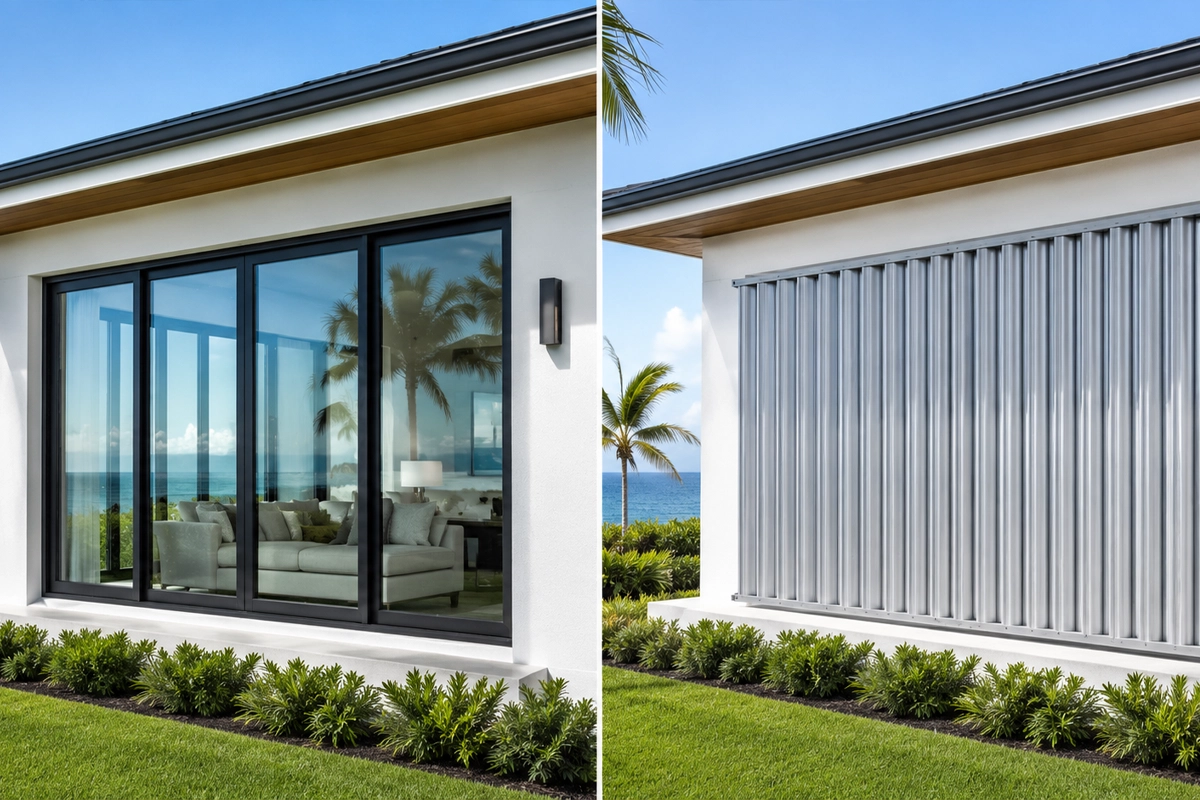
Many Florida homeowners use hurricane shutters, panels, or other temporary systems. These can help when they are properly rated, installed, maintained, and deployed before the storm.
The challenge is that temporary protection requires action. If you are not home, cannot physically install panels, or run out of time, the protection may not be in place when it is needed.
Permanent impact windows and doors solve that problem by protecting the opening year-round. They can also improve security, reduce outside noise, modernize the look of the home, and support daily comfort.
For homeowners who travel often, own seasonal properties, manage rentals, or want less stress before storms, permanent protection is worth considering.
Check your garage door and large openings
Garage doors are often overlooked, but they are important. A weak or damaged garage door can be vulnerable during high winds. If the garage door fails, wind pressure can enter the home and create additional risk.
Before hurricane season, inspect the garage door and check:
- Does it close fully?
- Are there visible dents, cracks, or loose panels?
- Is the track secure?
- Is the door rated for wind load?
- Do you have a bracing system if required?
- Is the opener working properly?
- Can the door be operated manually if power is out?
Large openings such as sliding glass doors, French doors, storefront-style glass, and patio doors should also be reviewed. These areas may need special planning because they are larger and heavier than standard windows.
Secure outdoor areas early
Outdoor objects can become dangerous during high winds. Patio furniture, planters, grills, umbrellas, tools, toys, signs, loose branches, and decorative items should be secured or brought inside before a storm.
Do not wait until the wind is already increasing. Moving heavy items in bad weather is unsafe.
Before the season, walk around your property and make a list of items that would need to be moved. Decide where they will go. If you live in a condo or townhome, review building rules for balconies, common areas, and storage.
For businesses, outdoor signage, displays, seating, trash containers, and loose materials should be part of the storm plan.
Trim trees and check drainage
Tree limbs can damage roofs, windows, fences, vehicles, and power lines during storms. Before hurricane season, inspect trees near the home and schedule trimming when needed.
You should also check drainage around the property. Clear gutters, downspouts, storm drains, and areas where water tends to collect. Heavy rain can cause problems even when wind damage is limited.
Look for:
- Blocked gutters
- Poor drainage near doors
- Low areas where water gathers
- Loose roof debris
- Branches close to windows or rooflines
- Yard items that could float or move in flooding
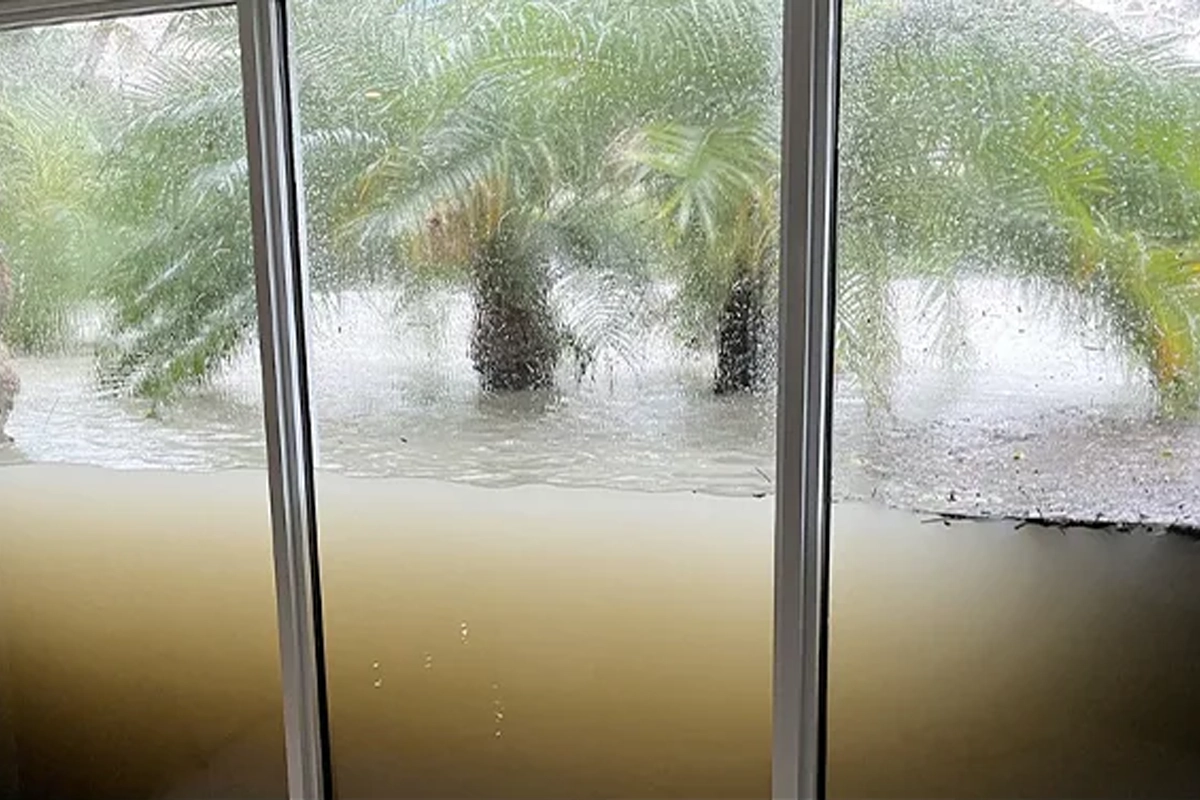
Flooding and wind are different hazards. Impact windows help with windborne debris and openings, but homeowners should still prepare for water management and possible flooding.
Build an emergency supply kit
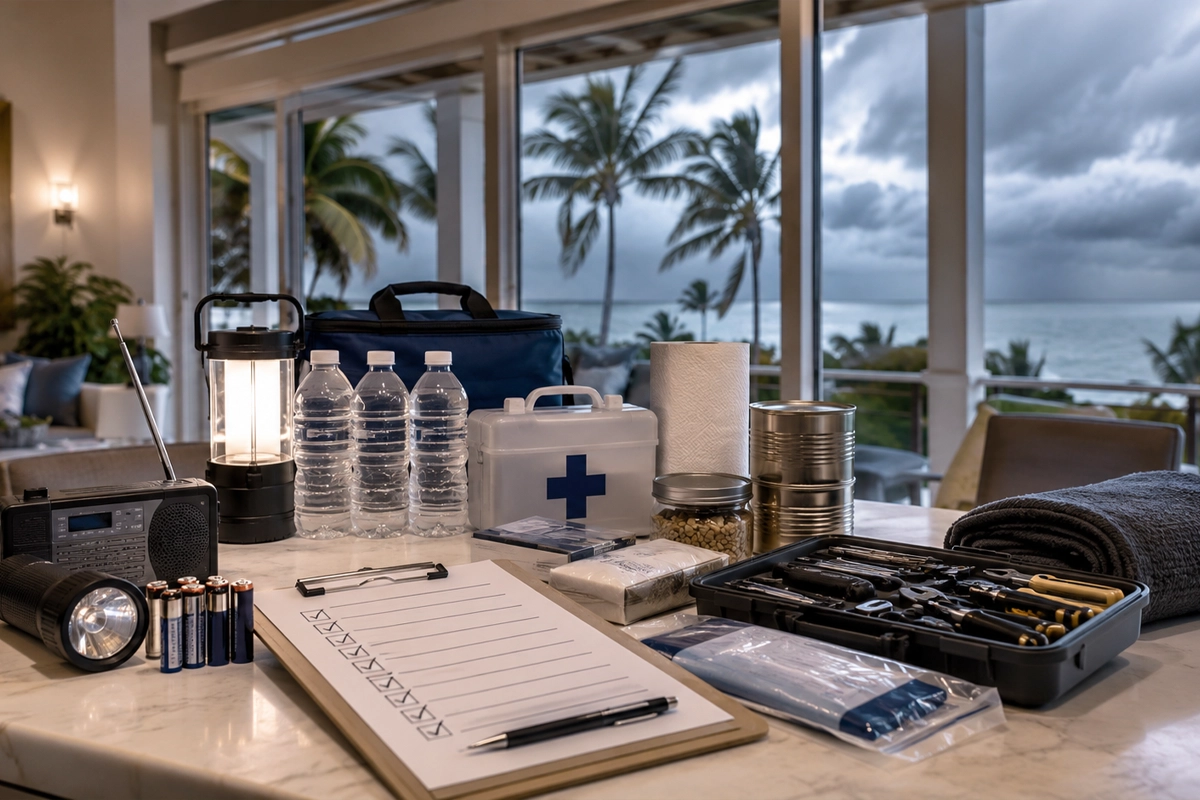
A hurricane supply kit should be prepared before a storm is close. Your household may need to function without power, internet, refrigeration, or normal access to stores for several days.
Common supplies include:
- Drinking water
- Non-perishable food
- Manual can opener
- Flashlights
- Batteries
- Phone chargers and power banks
- Battery-powered or hand-crank radio
- First aid supplies
- Prescription medications
- Hygiene items
- Baby supplies if needed
- Pet food and pet supplies
- Trash bags
- Cleaning supplies
- Cash
- Important phone numbers
- Copies of key documents
Think about the specific people in your home. A family with young children, elderly relatives, pets, or medical needs may require a more detailed kit.
Organize important documents
Storm preparation should include paperwork. If your home is damaged, power is out, or you need to evacuate, you do not want to search for documents at the last minute.
Keep important documents in a waterproof container or digital backup. Consider organizing:
- Homeowners insurance policy
- Flood insurance policy if applicable
- IDs and passports
- Medical documents
- Prescription information
- Property records
- Vehicle documents
- Emergency contacts
- Photos or videos of your property
- Product approvals and permits for impact windows or doors
- Warranty information for major home upgrades
Before hurricane season, take updated photos or videos of your home, exterior, important rooms, and valuable items. This can help with documentation if you ever need to file a claim.
Know your evacuation zone
Not every storm requires evacuation, but every homeowner should know their evacuation zone and local emergency instructions.
Evacuation decisions are usually based on storm surge risk, flooding risk, local conditions, and emergency management guidance. Do not wait until the last minute to learn your zone or route.
Your plan should include:
- Where you would go
- How you would get there
- What you would bring
- How pets will be handled
- Who needs assistance
- How you will communicate with family members
- What happens if cell service is limited
If you live in a coastal area, manufactured home, flood-prone area, or high-rise building, your plan may need extra attention.
Make a family communication plan
During storms, communication can become difficult. Cell service may be overloaded, power may be out, and family members may be in different places.
Before the season, choose:
- A primary contact person
- A backup contact person
- A meeting location
- A backup meeting location
- A group text or messaging plan
- A plan for children, schools, elderly relatives, and pets
Make sure everyone knows the plan. A good communication plan reduces confusion when conditions change quickly.
Prepare for power outages
Power outages are common after hurricanes and severe storms. Even a weaker storm can knock out electricity in some areas.
Before storm season, check:
- Flashlights and batteries
- Phone charging options
- Generator safety if you use one
- Refrigerator and freezer plan
- Medical equipment needs
- Internet backup needs
- Fuel for vehicles
- Battery-powered fans if needed
Never use a generator indoors, in a garage, or near windows and doors. Generator safety is extremely important because carbon monoxide can be deadly.
Monitor official updates
When a storm is active, use official sources for forecasts, watches, warnings, and local emergency instructions. Social media can be helpful for quick updates, but it can also spread rumors or outdated information.
Good sources include:
- National Hurricane Center updates
- Local National Weather Service office updates
- County emergency management
- Local government alerts
- Trusted local news
- Your city or county evacuation notices
Pay attention to more than the storm category. Storm surge, rainfall, flooding, tornado risk, and the size of the storm can all create danger even when the category number does not sound extreme.
Do not focus only on the cone
Many homeowners focus on the forecast cone, but impacts can happen outside the center track. Heavy rain, storm surge, tornadoes, and tropical-storm-force winds can extend far from the center of the storm.
A storm does not need to make a direct hit on your city to affect your home.
That is why preparation should happen before the exact track is known. Waiting for certainty can leave too little time.
Prepare your home before conditions deteriorate
When a storm is expected, complete exterior preparation early. Do not climb ladders, install panels, move heavy items, or trim trees once winds are increasing.
Before conditions worsen:
- Bring in outdoor furniture
- Secure trash bins
- Close and lock windows and doors
- Deploy shutters if you use them
- Move vehicles away from trees
- Charge phones and power banks
- Lower refrigerator and freezer temperatures if appropriate
- Fill prescriptions
- Review evacuation instructions
- Check on neighbors or relatives who may need help
Safety should always come first. Property can be repaired. People cannot be replaced.
After the storm
After a storm passes, hazards may remain. Downed power lines, broken glass, flooding, damaged trees, unstable structures, and contaminated water can all be dangerous.
After the storm:
- Wait for official guidance before going outside
- Avoid floodwater
- Stay away from downed power lines
- Photograph damage before cleanup
- Contact your insurance company if needed
- Use licensed professionals for repairs
- Be cautious of door-to-door repair scams
- Do not run generators indoors
- Check on neighbors if it is safe
If your windows, doors, or glass openings were damaged, schedule a professional evaluation before making long-term repair decisions.
When to consider impact windows and doors
If hurricane preparation feels stressful every year because your home depends on temporary protection, it may be time to consider impact windows and doors.
Impact products may be a good fit if:
- You want permanent storm protection
- You are tired of installing shutters or panels
- You travel during storm season
- You want better security
- Your current windows are old or inefficient
- You want to reduce outside noise
- You want to improve curb appeal
- You are planning to stay in the home long-term
Impact windows and doors are not just for storm season. They are a year-round upgrade that can improve how your home looks, feels, and performs.
Final thoughts
Hurricane preparation is about being ready before the pressure begins. A strong plan protects your home, your family, your documents, your pets, and your peace of mind.
Start with the basics: review your openings, organize supplies, secure outdoor areas, understand your evacuation zone, and monitor official updates. Then consider whether permanent impact windows and doors could make your home easier to protect every year.
AA Glass & Windows helps Florida homeowners plan impact window, door, and glass upgrades designed for storm protection, daily comfort, and long-term value.
If you want to prepare your home before the next storm threat, our team can help you review your options and plan the right solution.