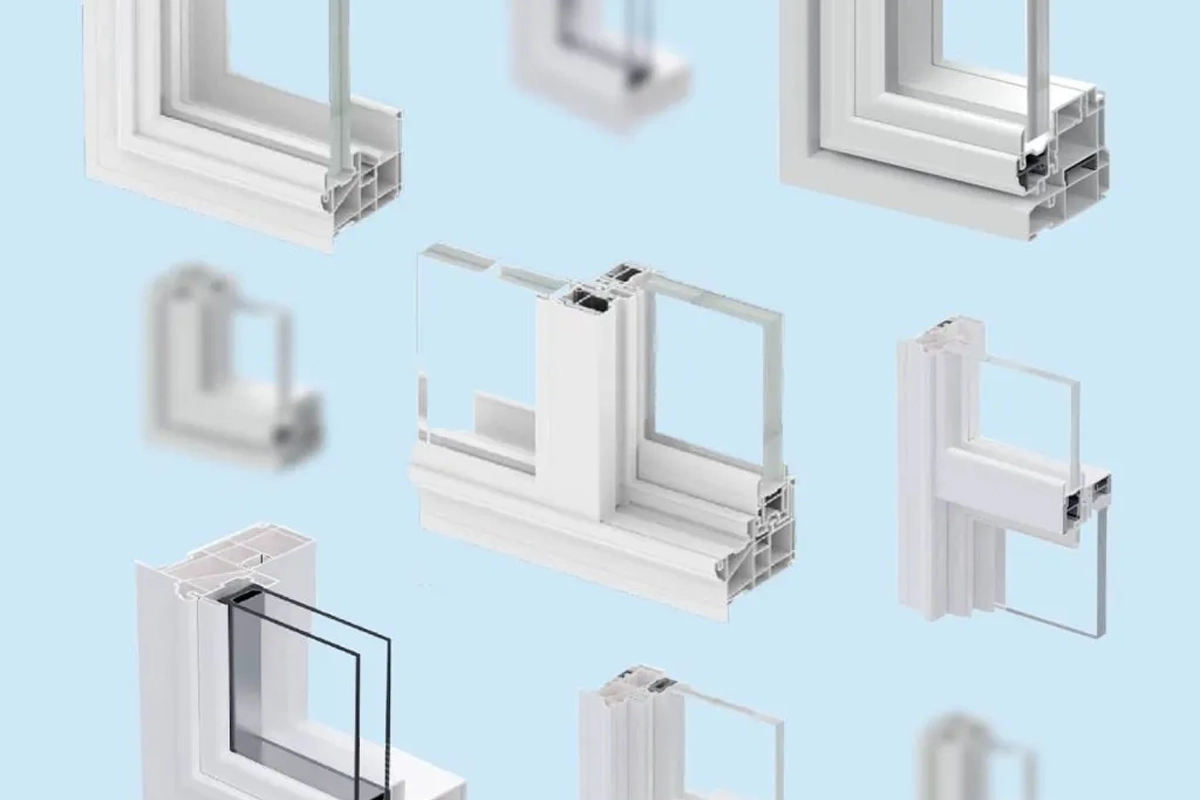
Florida homeowners often ask whether aluminum or vinyl is the better frame material for impact windows.
There is no responsible statewide answer that one material is always better.
The right comparison starts with the exact approved product, the size of the opening, the required design pressure, the glass package, the installation conditions, and the homeowner’s priorities.
Both aluminum and vinyl impact-window systems can be legitimate Florida choices when the specific product is approved for the project.
Start with the approval, not the material label
A frame material does not establish hurricane performance by itself.
PGT’s current approval resources, for example, list both WinGuard Aluminum and WinGuard Vinyl impact products with Florida Product Approval and Miami-Dade approval paths for specific window styles.
Each product line has its own:
- Approved sizes
- Design pressures
- Anchorage
- Glass options
- HVHZ conditions
- Installation details
That is why the correct question is not:
“Is aluminum stronger than vinyl?”
It is:
“Does this exact aluminum or vinyl product meet the requirements for this opening?”
See our Florida Product Approval guide for the documentation you should verify.
Where aluminum can make sense
Aluminum is commonly selected when a project prioritizes:
- Slimmer frame profiles
- Larger glass areas
- Large or demanding openings
- Architectural appearance
- Commercial or high-rise applications
- Product availability in a specific approved configuration
Aluminum itself conducts heat readily, so energy performance should be evaluated using the whole-window rating, not assumptions about the raw frame material.
Some aluminum systems use thermal improvements or glass packages that materially change the final U-factor and SHGC.
Where vinyl can make sense
Vinyl impact-window systems can be attractive when homeowners prioritize:
- Thermal performance
- Low frame conductivity
- Residential appearance
- Low-maintenance finishes
- A specific approved vinyl product available for the required opening
PGT’s current WinGuard Vinyl documentation includes impact-rated products with Florida approvals and HVHZ approval paths for certain configurations.
That is important because it disproves a common oversimplification that “vinyl cannot be used for hurricane windows in South Florida.”
The exact product approval is what matters.
Does vinyl automatically have better energy performance?
Do not assume it from the material name alone.
Vinyl generally has lower thermal conductivity than aluminum, but the homeowner should compare the NFRC-rated whole product, including:
- U-factor
- Solar Heat Gain Coefficient
- Visible transmittance
- Glass construction
- Low-E coating
- Frame and sash design
Our Low-E, SHGC and U-factor guide explains those ratings.
A high-performing glass package can matter just as much as the frame material in a Florida cooling climate.
Does aluminum automatically handle every large opening?
No.
Aluminum can be a strong option for demanding openings, but every product still has approved size and pressure limits.
A large aluminum fixed window may have a different pressure table than:
- An aluminum single-hung
- A vinyl casement
- A horizontal roller
- A sliding glass door
- A mulled window assembly
Do not use the material label as a substitute for the approval table.
What about coastal exposure?
Salt air, humidity, UV exposure, hardware and finishes matter near the coast.
For aluminum systems, follow the manufacturer’s finish and maintenance requirements.
For vinyl systems, also follow the manufacturer’s care guidance and inspect:
- Hardware
- Fasteners
- Rollers
- Locks
- Weatherstripping
- Sealants
- Drainage paths
Coastal maintenance is about the complete assembly, not only the frame extrusion.
See our coastal salt-air maintenance guide for practical care considerations.
Which one looks better?
That is a design preference.
Aluminum systems can offer narrow sightlines in many product families.
Vinyl systems can offer a residential profile that some homeowners prefer.
Before ordering, compare the actual sample or shop drawing rather than judging from generic marketing photos.
Look at:
- Frame width
- Meeting rails
- Mullions
- Screen position
- Glass area
- Exterior color
- Interior color
- Hardware visibility
Does frame material affect insurance eligibility?
Insurance decisions depend on the documented mitigation characteristics, not a generic aluminum-versus-vinyl preference.
For opening protection, the inspector and carrier care about whether the installed protection meets the applicable requirements and can be documented.
See our Florida wind mitigation guide for the current inspection context.
A practical comparison checklist
Before choosing aluminum or vinyl, ask:
- What is the exact manufacturer and series?
- What Florida Product Approval or Miami-Dade NOA applies?
- Is it approved for this opening size?
- What positive and negative design pressures apply?
- Is the configuration approved for HVHZ if needed?
- What glass package is proposed?
- What are the NFRC ratings?
- What maintenance does the manufacturer require?
- What frame profile and sightline will I actually see?
- What warranty applies to this exact product?
That comparison is more useful than choosing a material from a slogan.
Frequently asked questions
Are vinyl impact windows approved in Florida?
Yes, approved vinyl impact-window systems exist. Verify the exact Florida Product Approval or Miami-Dade approval for the proposed series and configuration.
Are aluminum impact windows always stronger?
Not universally. Compare the exact approved size, design pressure and installation conditions for the products being considered.
Which frame is more energy efficient?
The whole-window NFRC rating is the best comparison tool. Frame material matters, but glass, Low-E coatings, spacers and the complete assembly also affect performance.
Which is better near the ocean?
Use the exact product’s approved use, finish, hardware, warranty and maintenance guidance. Coastal exposure should be considered for the entire assembly.
Authoritative sources
- PGT Windows & Doors — WinGuard Aluminum approvals and certifications
- PGT Windows & Doors — WinGuard Vinyl approvals and certifications
- Florida Building Commission — Product Approval Search
- NFRC — Window energy-performance ratings
The bottom line
Aluminum versus vinyl is not a one-word quality ranking.
Choose the specific approved system that fits the opening, pressure requirements, energy goals, coastal conditions, design preferences and project budget.
AA Glass & Windows can help compare approved aluminum and vinyl impact-window options for your property. Request a free estimate to review your openings.