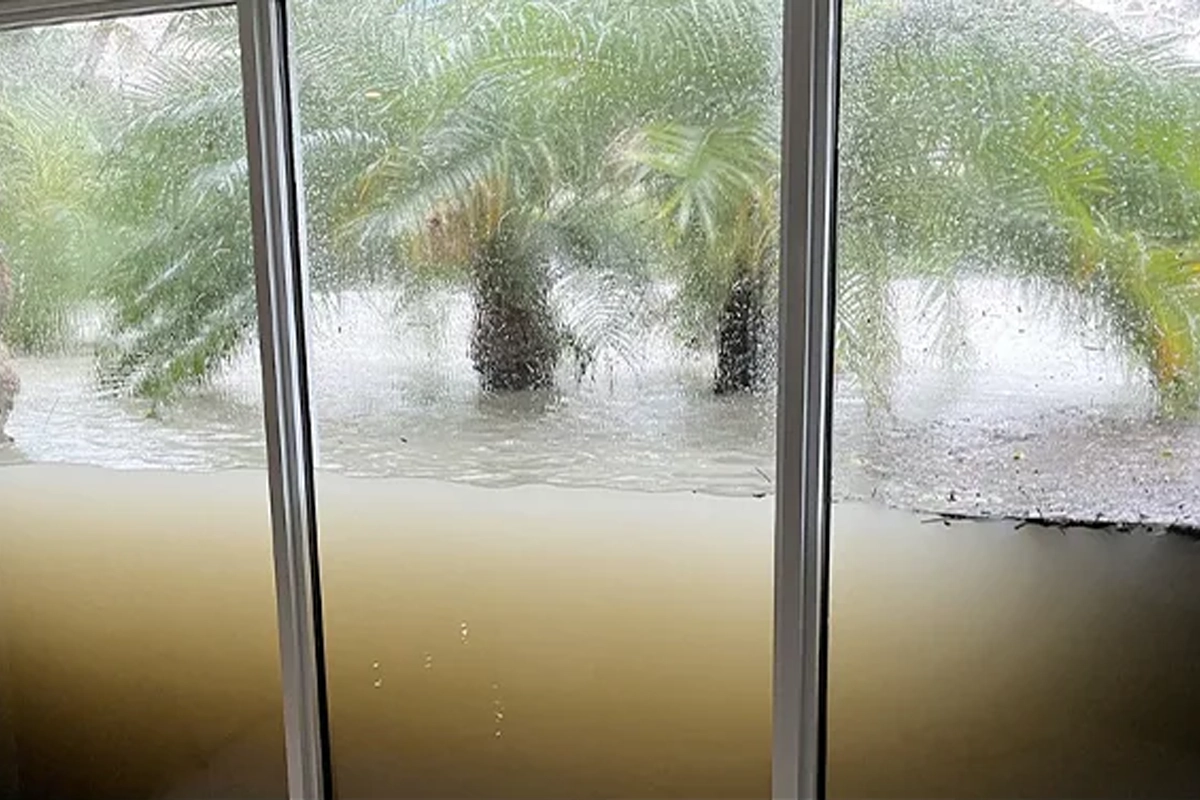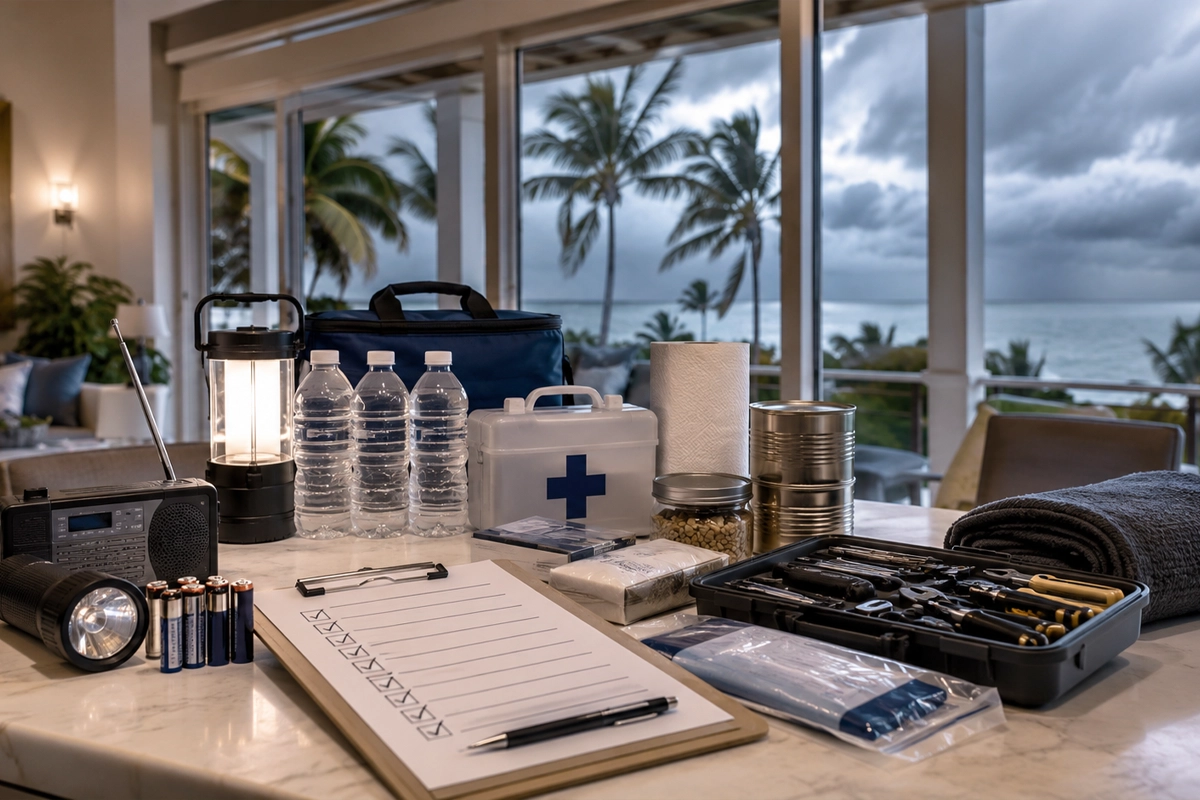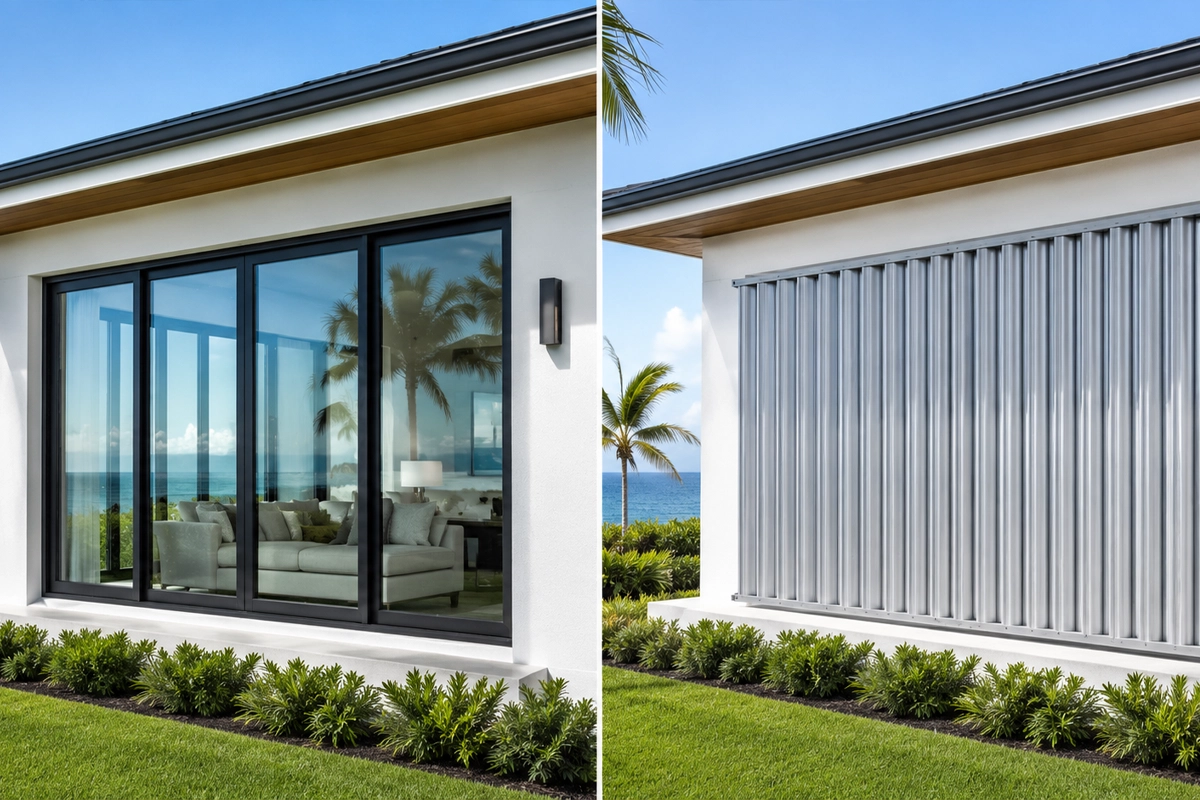
Florida homeowners have more than one way to protect glass openings from windborne debris. Two of the most common options are impact windows and hurricane shutters.
Both can be part of a code-compliant hurricane-protection strategy when the products are properly approved for the application and installed correctly. The bigger question is which solution best fits the way you live, prepare for storms, maintain your home, and plan long-term improvements.
For many full-time Florida homeowners, impact windows offer a strong combination of permanent storm readiness and everyday benefits. Hurricane shutters can still be a practical choice when budget, existing windows, or project timing make full window replacement less attractive.
Quick comparison
| Consideration | Impact windows | Hurricane shutters |
|---|---|---|
| Storm preparation | Protection is already in place | Many systems must be closed or installed before a storm |
| Daily appearance | Functions like a normal window | Appearance varies by shutter type |
| Natural light | Remains available | Can be reduced when shutters are closed |
| Everyday benefits | Can improve noise control, glass performance, operation, and appearance | Primarily protects the covered opening when deployed |
| Maintenance | Window, seals, frame, and hardware | Tracks, panels, fasteners, motors, or hardware depending on system |
| Upfront scope | Usually higher because windows are replaced | Can be lower depending on shutter type and openings |
The right answer depends on the property. Opening sizes, design pressures, product approvals, local permitting requirements, accessibility, and the condition of the existing windows all matter.
What Florida building codes mean for opening protection
Florida does not have one simple rule saying every home everywhere in the state must use impact windows.
The 2023 Florida Building Code, Residential, Eighth Edition requires exterior glazed openings in buildings located in windborne debris regions to be protected from windborne debris. The 2023 Florida Building Code, Building similarly requires glazed openings in wind-borne debris regions to be impact resistant or protected with an impact-resistant covering.
That means impact windows and approved hurricane shutters can both be valid forms of opening protection, depending on the project. In South Florida’s High-Velocity Hurricane Zone, additional requirements and product-approval considerations can apply.
Homeowners should confirm the applicable permit requirements, product approval, design pressure, and installation instructions for the specific opening instead of relying only on a generic “hurricane rated” label.
How impact windows work
Impact windows are permanent window systems engineered for wind and impact performance. They commonly use laminated glass together with a tested frame, anchoring method, and installation system.
The laminated construction helps the glass remain together if it cracks under impact. Just as important, the window must be considered as a complete assembly. Frame design, size limitations, anchoring, fasteners, sealants, substrate conditions, design pressures, and installation all affect performance.
If you are comparing products, review AA Glass & Windows’ impact window service and available glass options.
How hurricane shutters work
Hurricane shutters form a protective barrier over an existing window, door, or glass opening. Common options include accordion shutters, roll-down shutters, Colonial shutters, Bahama shutters, removable panels, and approved fabric or screen systems.
Each type has different storage, deployment, maintenance, visibility, and cost considerations. A permanently attached accordion or roll-down shutter is generally easier to prepare than removable panels. Panels may be practical for some homeowners, but they require storage, organized hardware, physical installation, and enough time to cover the openings before conditions worsen.
Storm protection: focus on the approved system
A properly selected and installed impact window is designed to protect the opening as a permanent system. A properly approved hurricane shutter is designed to protect the window or door behind it when the shutter is correctly deployed.
Before choosing either option, confirm:
- Product approval or applicable Notice of Acceptance when required
- Impact rating and referenced test standard
- Design-pressure limits
- Size limitations
- Required anchors and attachment conditions
- Installation instructions
- Permit and inspection requirements
This is especially important in coastal South Florida, where wind demands and local requirements may affect which products can be used.
Convenience before a hurricane
Convenience is one of the biggest differences between the two approaches.
With impact windows, there is usually no separate storm-deployment step for that opening. The homeowner closes and locks the window normally. There are no panels to carry from storage and no separate shutter system that must be installed at the last minute.
That can be valuable for seasonal residents, frequent travelers, older adults, second-home owners, families that may evacuate early, and anyone who wants fewer storm-preparation tasks.
Shutters can work very well, but systems that require manual deployment need to be part of the household’s hurricane plan. For a broader checklist, see our guide on how to prepare your home before hurricane season.
Everyday benefits
Impact windows are part of the home every day, so they can provide benefits beyond storm season. Depending on the product and glass package, those may include:
- Reduced outside noise
- UV-reduction options
- Updated frames, locks, rollers, or operators
- Improved air and water performance compared with old, deteriorated windows
- Energy-performance options for Florida conditions
- A cleaner, more modern appearance
These benefits vary by product, so compare actual specifications rather than assuming every impact window performs the same way.
Shutters are primarily a protective layer over the existing opening. If the current windows are difficult to operate, fogged, corroded, outdated, or otherwise ready for replacement, shutters do not correct those underlying window conditions.
Appearance, views, and daylight
Impact windows preserve the normal appearance and use of the opening. Natural light and exterior views remain available without a separate protection system covering the glass.
Shutter appearance varies. Accordion shutters leave folded sections and tracks visible. Roll-down systems use housings above the opening. Colonial and Bahama shutters can become architectural features. Removable panels may leave only mounting hardware visible when stored.
When shutters are closed for a storm, they can also darken the interior. For homes with large glass areas or important views, this can influence the decision.
Maintenance and readiness
Both systems require maintenance, but the work is different.
Impact windows should be inspected for seals, locks, rollers, operators, caulking, and frame condition. Operable units should continue to open, close, and lock correctly.
Shutters may require cleaning tracks, inspecting fasteners and anchors, organizing removable panels, and testing motors or manual operation depending on the system. A shutter system should be checked before storm season rather than for the first time when a storm is approaching.
Cost: compare the whole project
Hurricane shutters can have a lower initial project cost than replacing an entire home’s windows, especially when the existing windows are still in good condition. The exact difference depends on shutter type, number and size of openings, access, product approvals, and installation complexity.
Impact windows involve replacing the existing units, so the scope can include new assemblies, removal of old windows, installation, permitting, inspections, sealants, and finishing work.
The better comparison is long-term project value. If you already expect to replace older windows because of operation, deterioration, appearance, noise, or performance, combining replacement with permanent impact protection may make more sense than adding shutters first and replacing the windows later.
If your existing windows are relatively new and performing well, approved shutters may provide a practical path to opening protection without replacing the full window package.
For budgeting considerations, read what affects the cost of impact windows in Florida.
Which option is better for you?
Impact windows may be a better fit if you:
- Want permanent storm readiness
- Do not want a separate shutter-deployment routine
- Travel during hurricane season
- Own a seasonal or second home
- Need to replace aging windows anyway
- Want useful glass and window improvements throughout the year
- Prefer a clean exterior without a separate storm-protection system
Hurricane shutters may be a better fit if you:
- Have relatively new windows you do not want to replace
- Want a lower-cost path to approved opening protection
- Are comfortable maintaining and deploying the shutter system
- Have reliable access to the property before storms
- Prefer a shutter style as an architectural feature
- Want to phase hurricane-protection improvements over time
There is no universal answer. A home with older windows and frequent travel needs is very different from a home with recently installed windows and an owner who is comfortable closing accordion shutters.
Can you use both?
Yes. Some properties use a combination of impact windows and approved shutters.
A homeowner might install impact windows in bedrooms and main living spaces while retaining shutters over specialty openings. Another property might already have shutters and replace windows gradually as part of a phased renovation.
The key is to evaluate the building envelope as a complete system and make sure every proposed product is appropriate for its opening and installation conditions.
Questions to ask before choosing
Before signing a contract, ask:
- What exact product, manufacturer, and series is being proposed?
- Is it approved for my location and opening size?
- What design pressure is required for each opening?
- What is included in permitting and inspection coordination?
- What maintenance will the system require?
- For shutters, how will each opening be protected before a storm?
- What other window problems am I trying to solve?
- What finishing work is included after installation?
The bottom line
Both impact windows and approved hurricane shutters can play an important role in protecting Florida homes from windborne debris. The best choice depends on your existing windows, budget, lifestyle, location, project goals, and willingness to prepare the property before a storm.
Impact windows are often the stronger long-term choice for homeowners who want permanent protection with fewer storm-preparation steps and useful everyday upgrades. Hurricane shutters remain a practical solution when existing windows are in good condition and the homeowner is comfortable maintaining and deploying a separate protection system.
AA Glass & Windows can help you compare product options, opening conditions, glass choices, permitting considerations, and project scope. Request an estimate to review the best hurricane-protection approach for your property.