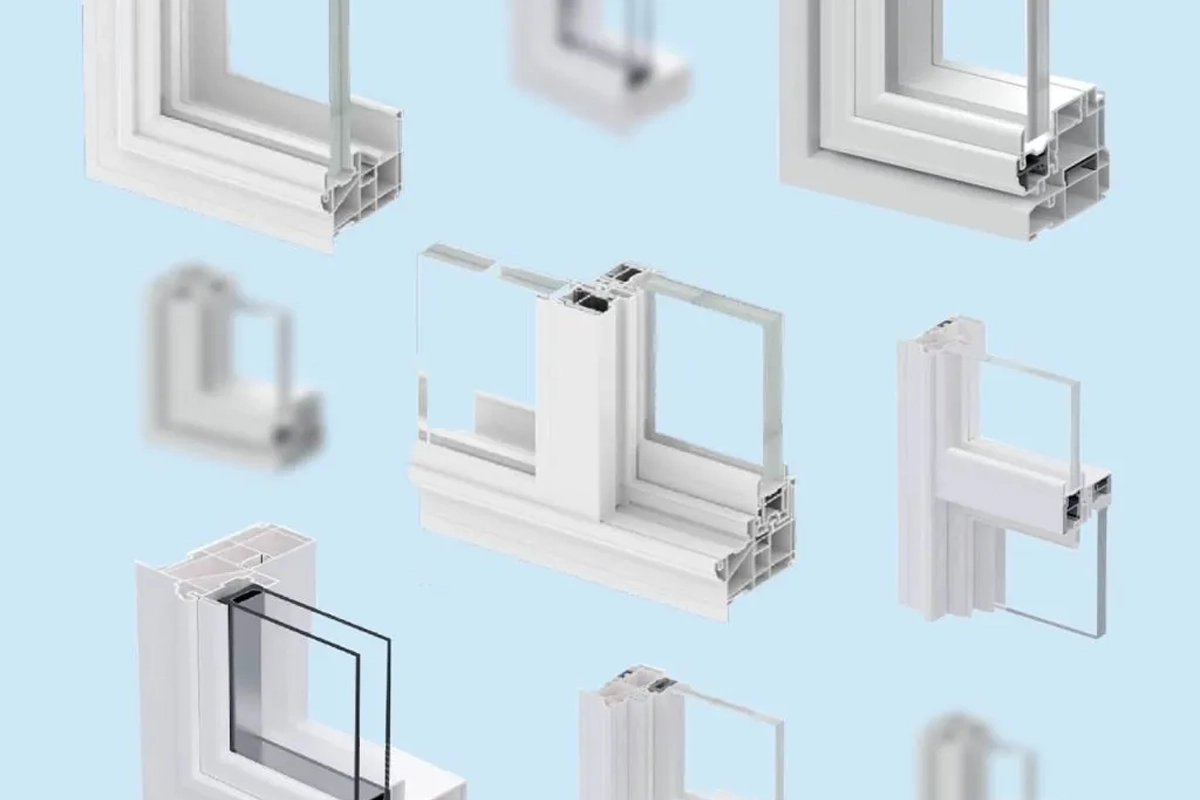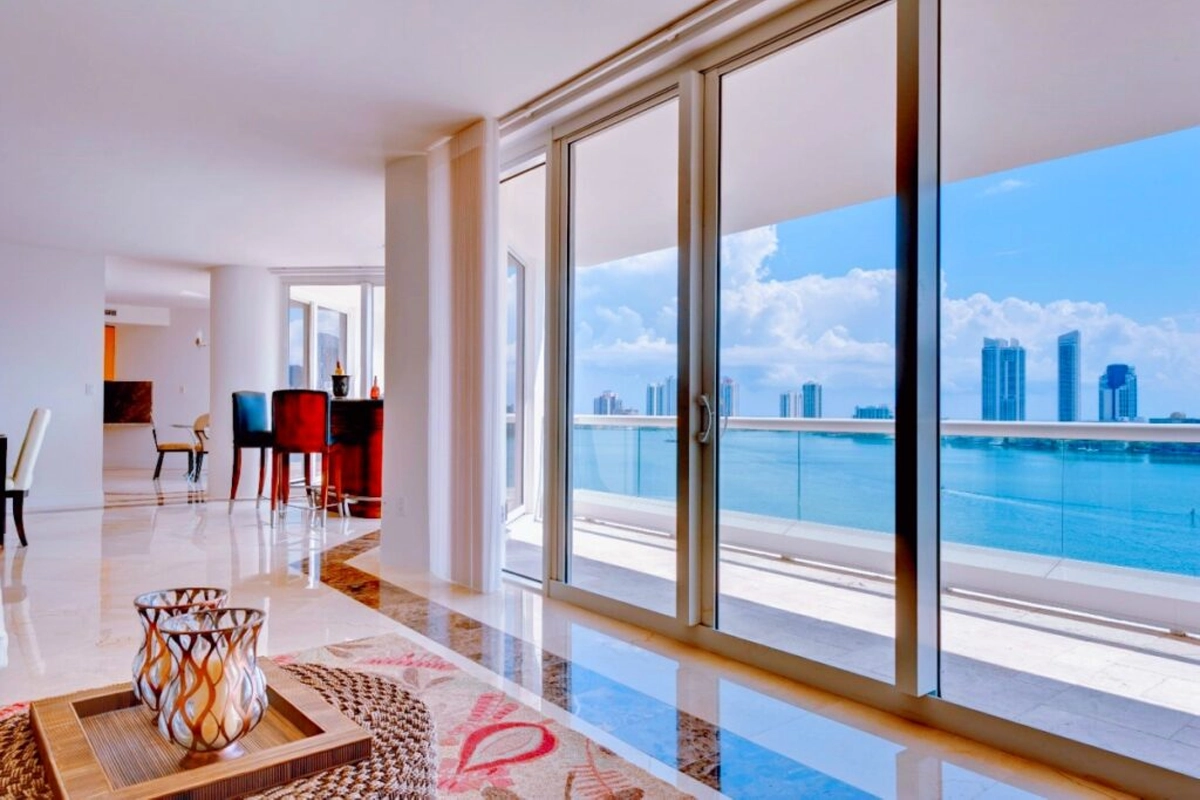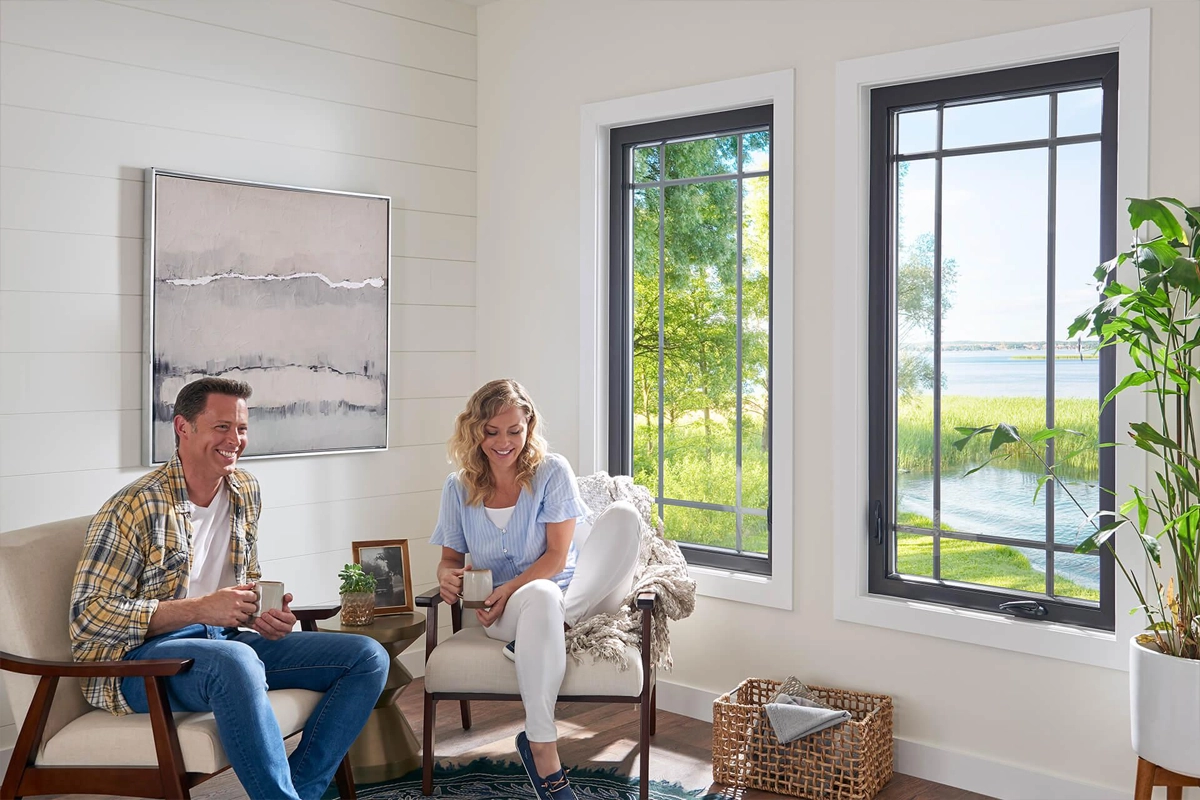
There is no single impact window that is automatically “best” for every Florida home.
The right product depends on the exact opening, wind exposure, building location, required design pressures, product approval, glass configuration, frame system, energy-performance goals, operating style, and installation conditions. A window that is an excellent fit for one house may be the wrong choice for another property, even when both homes are in Florida.
That is especially important because impact windows are not just pieces of laminated glass. They are tested and approved assemblies. The frame, glass, hardware, size limits, mullions, anchors, installation method, and conditions of use all matter.
This guide explains how to compare impact-window systems without relying on vague “best brand” rankings or unsupported marketing claims. It uses current Florida Building Commission, Miami-Dade, ENERGY STAR, and NFRC information available as of August 29, 2026.
Important: This article is general educational information. Product selection and installation should be verified for the specific building, opening, jurisdiction, design pressures, permit requirements, and approved product documentation.
Quick answer: what makes an impact window one of the best choices for a Florida home?
A strong Florida impact-window choice should satisfy several questions at the same time:
- Is the exact product approved for the intended use in Florida?
- Is the exact configuration impact resistant when impact protection is required?
- Is it approved for the project’s location, including HVHZ use when applicable?
- Does its approved size and design pressure fit the specific opening?
- Does the installation method match the wall substrate and project conditions?
- Do the U-factor and Solar Heat Gain Coefficient fit the home’s energy goals and climate zone?
- Does the operating style work for the room, ventilation, egress, maintenance, and architecture?
- Can the contractor document the exact series, glass option, approval number, and installation details before ordering?
The “best” window is therefore not simply the one with the highest price, thickest glass, strongest marketing language, or most recognizable manufacturer name. It is the system whose documented performance and approved conditions match the actual project.
If you are still determining whether your project needs impact protection, start with our guide to Florida impact-window requirements.
1. Start with the exact Florida product approval, not the brand name
Florida law establishes a statewide product evaluation and approval system for categories that include windows, exterior doors, shutters, and impact-protective systems. Section 553.842, Florida Statutes, also restricts marketing a product as hurricane, windstorm, or impact protection from wind-borne debris unless it has the required approval.
That means a manufacturer name alone is not enough.
A manufacturer can sell multiple window series, operating styles, glass packages, sizes, and configurations. Some may be impact resistant and others may not. Some may be approved for a particular pressure range or opening size that does not match your project.
Before comparing two proposals, ask for the exact:
- Manufacturer
- Series or model
- Operating type
- Frame configuration
- Glass configuration
- Florida Product Approval number or applicable Miami-Dade Notice of Acceptance
- Impact-resistance status
- Approved size limits
- Positive and negative design-pressure limits
- Mullion approval when multiple units share an opening
- Installation method and substrate conditions
The Florida Building Commission maintains the official Product Approval Search, which allows product records to be searched and reviewed.
If you already have windows and are trying to identify what was installed, our guide on how to tell if windows are impact resistant explains how labels, approval records, permits, and product documentation can help.
2. Confirm whether the project is in the High-Velocity Hurricane Zone
Florida does not have one identical approval condition for every property.
Miami-Dade and Broward counties are part of the High-Velocity Hurricane Zone (HVHZ). Product documentation should therefore be checked for the project’s actual location and approval conditions rather than assuming that any product labeled “Florida approved” is automatically suitable everywhere.
The Florida Building Commission’s product-approval system includes fields indicating whether a product is approved for use in the HVHZ and outside the HVHZ. Miami-Dade also maintains its Product Control approval system and Notice of Acceptance records.
Miami-Dade’s current permitting guidance for replacement windows and glass doors requires product approval information and says applicable Florida Building Commission product approvals are acceptable.
For homeowners, the practical takeaway is simple:
Do not compare products only by whether they have an approval number. Compare whether the exact approval is valid for your project location and configuration.
3. Design pressure can matter more than a generic “hurricane rating”
Impact resistance and structural pressure performance are related but different questions.
A window may be tested for impact resistance, but the actual opening still has positive and negative wind-pressure demands based on the building and its exposure. Product approvals can contain pressure limits and installation conditions that must be matched to the project.
The required pressure can vary from opening to opening because of factors such as:
- Building height
- Building geometry
- Opening location on the wall
- Corner versus interior wall zones
- Exposure category
- Wind speed requirements
- Opening size
- Product configuration
- Mullions
- Substrate and anchoring conditions
This is why a responsible comparison should ask, “What design pressure is required for this opening, and does this exact approved window configuration meet it?”
A proposal that simply says “impact window” without identifying the applicable product and pressure information gives you less useful information than a proposal tied to the specific opening schedule.
Our Florida impact-window installation guide explains how final measurements, product approvals, permits, installation details, inspections, and closeout fit together.
4. The approved size and configuration must match the opening
A product approval does not mean that every possible size of that window is approved.
Approval documents can establish maximum dimensions, minimum dimensions, glass types, frame configurations, reinforcement requirements, mullion conditions, fastener schedules, and other limitations.
This matters when a home has:
- Wide picture windows
- Tall openings
- Architectural shapes
- Multiple windows combined in one opening
- Large horizontal rollers
- Bay or corner conditions
- Unusual rough-opening dimensions
- Existing structural or finish constraints
A larger window can create different structural demands than a smaller unit from the same product series.
For that reason, the best time to verify size and configuration is before the final order is placed, not after the windows arrive.
5. Compare energy performance separately from impact performance
Impact resistance does not automatically tell you how energy efficient a window is.
For energy comparison, look for independently rated performance information. The National Fenestration Rating Council (NFRC) provides standardized ratings for windows, doors, and skylights. The NFRC label can include:
- U-factor — how readily heat transfers through the product; lower values indicate lower heat transfer
- Solar Heat Gain Coefficient (SHGC) — how much solar heat the product admits; lower values reduce solar heat gain
- Visible Transmittance (VT) — how much visible light passes through
- Air Leakage — how much air passes through the product under the test conditions
- Condensation Resistance / Condensation Index — a rating related to resistance to condensation under standardized conditions
ENERGY STAR uses NFRC-certified ratings and climate-zone criteria for residential windows, doors, and skylights. The current ENERGY STAR Version 7.0 specification has been effective since October 23, 2023.
Florida homeowners should use the current ENERGY STAR climate-zone finder for their county or ZIP code rather than assuming one performance threshold applies to every location.
In a hot climate, SHGC is especially useful because it helps compare how much solar heat different glazing systems admit. But lower SHGC is not the only decision. Visible light, appearance, glass tint, frame type, orientation, shading, and the rest of the building envelope can also affect the best choice for a particular home.
For a deeper explanation, see are impact windows energy efficient in Florida?.
6. Laminated impact glass and insulated glass are not the same decision
Homeowners often hear terms such as “laminated glass,” “insulated glass,” “Low-E,” and “impact glass” used together. They describe different aspects of the glazing system.
Laminated impact glazing
Impact-resistant glazing typically uses a laminated construction designed to remain bonded to an interlayer when broken as part of the approved assembly and tested system.
Insulated glass
An insulated glass unit contains multiple panes separated by a sealed space. Depending on the approved product, impact-rated systems can also incorporate insulated glazing.
Low-emissivity coatings
Low-E coatings are used to influence heat transfer and solar performance. Their effect should be evaluated using the actual NFRC-rated configuration rather than assuming that any product advertised as “Low-E” has the same performance.
The best configuration therefore depends on both the hurricane-performance requirements and the energy-performance goals of the home.
Do not substitute an energy label for impact documentation, and do not substitute an impact approval for an energy-performance rating. They answer different questions.
7. Choose the window style based on how the room needs to work
There is no single operating style that is best for every opening.
Single-hung windows
Single-hung windows can fit traditional residential architecture and provide familiar vertical operation. They can be practical where homeowners want a conventional appearance and straightforward operation.
Horizontal roller windows
Horizontal rollers can work well for wider openings and spaces where sliding operation is convenient. They are common in many Florida residential applications.
Casement windows
Casement windows open outward using hinged operation. They can provide a large clear opening and a different ventilation pattern from sliding windows. Hardware, exterior clearance, and maintenance should be considered.
Fixed or architectural windows
Fixed windows do not open. They are useful where the priority is daylight, views, architectural shape, or large glazed areas without ventilation from that opening.
AA Glass & Windows has dedicated information for casement windows, horizontal roller windows, and fixed architectural windows so homeowners can compare how the operating styles fit different spaces.
When an opening serves a bedroom or another location with code-related emergency-escape requirements, product style and clear-opening dimensions may also affect compliance. That decision should be reviewed for the specific project rather than based only on appearance.
8. Frame material should be evaluated as part of the complete system
Florida impact windows are available in different frame materials and constructions. Rather than treating one material as universally superior, compare the complete approved system.
Useful questions include:
- What frame material is used?
- Does the frame include a thermal break or other thermal design features?
- What NFRC ratings apply to the exact frame-and-glass configuration?
- What finish options are available?
- What maintenance does the manufacturer recommend?
- What are the approved size and pressure limits?
- How will the frame be anchored to the existing wall construction?
- What warranty applies to the frame finish, hardware, glass, and installation?
The frame, glass, hardware, anchors, and installation work together. A single material label does not tell you the complete performance of the window.
9. Do not rank windows by glass thickness alone
Thickness can be part of an approved glazing configuration, but it is not a reliable standalone ranking system for impact windows.
The better question is whether the complete tested and approved assembly meets the required impact and pressure conditions for the opening.
Two approved products can use different glass constructions, interlayers, frame designs, reinforcement, and anchoring systems while both satisfying the intended requirements.
Marketing claims such as “thicker is always stronger” can oversimplify a system that should be evaluated through its approval documentation.
10. Installation conditions can determine whether a good product becomes a good project
Even a strong product choice still has to be installed according to the applicable approval and project requirements.
Product approvals and installation documents can address matters such as:
- Fastener type
- Fastener spacing
- Embedment
- Edge distance
- Substrate
- Buck or frame conditions
- Perimeter clearances
- Mullion connections
- Sealants and water management
That is one reason the “best window” decision cannot be separated completely from the contractor and installation scope.
Before signing a proposal, our guide on how to choose an impact window company provides a checklist for licensing, product documentation, scope clarity, warranties, and project responsibilities.
What are the best impact windows for South Florida?
For South Florida, especially Miami-Dade and Broward, the strongest candidates are products whose exact approval documentation supports the required HVHZ use, impact classification, design pressures, sizes, configurations, and installation conditions for the property.
That does not mean homeowners should choose a product only because it carries an HVHZ-related approval. Energy performance, operating style, aesthetics, serviceability, warranty, product availability, and the installation scope still matter.
A South Florida homeowner should be able to connect each proposed opening to a specific approved product configuration rather than receive a generic statement that the windows are “Miami-Dade approved.”
What are the best impact windows for Central or Southwest Florida?
The same project-specific logic applies outside the HVHZ.
The product should still be approved for the intended Florida use and should match the opening’s required design pressures, size, configuration, substrate, and installation conditions. Homeowners can then compare energy ratings, operating style, glass options, appearance, maintenance, warranty, and price.
A product approved for a very demanding condition is not automatically the best value if the project does not need that configuration and another approved option better fits the homeowner’s goals.
Should you buy the highest design-pressure window available?
Not automatically.
A higher approved pressure capability can be useful when the opening requires it, but product selection should be based on the project’s actual engineering and permit requirements.
Choosing solely by the largest pressure number can ignore other factors such as:
- Opening dimensions
- Glass package
- Energy performance
- Ventilation
- Hardware
- Appearance
- Cost
- Installation method
- Product availability
The correct target is not “the highest number.” It is documented compliance with an appropriate margin for the actual project requirements, as determined by the applicable design and approval information.
How to compare two impact-window quotes side by side
Ask each contractor to provide enough information for an apples-to-apples comparison.
Product identity
- Manufacturer
- Series/model
- Window style
- Frame material and finish
- Glass configuration and tint
Approval and structural information
- Florida Product Approval or Miami-Dade NOA
- Impact-resistance classification
- HVHZ eligibility when applicable
- Positive and negative design pressures
- Approved size range
- Mullion approval when applicable
- Installation detail/substrate
Energy information
- NFRC U-factor
- NFRC SHGC
- NFRC Visible Transmittance
- ENERGY STAR climate-zone certification when applicable
Scope and installation
- Final measurement responsibility
- Permit responsibility
- Removal method
- Anchoring and sealing scope
- Stucco/drywall/trim repairs
- Painting or finish exclusions
- Inspection and permit closeout
Warranty and service
- Manufacturer warranty
- Glass warranty
- Hardware warranty
- Installation/workmanship warranty
- Service process after installation
Project economics
- Product price
- Labor
- Permit and engineering charges
- Finish work
- Optional upgrades
- Financing terms when applicable
Our guide to impact-window cost factors in Florida explains why two proposals can differ even when they appear to cover the same number of windows.
Red flags when someone claims a window is “the best”
Be cautious when a proposal relies mainly on statements such as:
- “This is the strongest window in Florida” without approval documentation
- “Every window from this brand is impact rated”
- “Miami-Dade approved” without identifying the exact NOA or applicable approval
- “Energy efficient” without NFRC ratings or an identifiable configuration
- “The thickest glass is always best”
- “One design pressure works for the whole house”
- “No permit or product documents are necessary”
- “All impact windows perform the same”
A credible recommendation should be explainable in terms of the property, opening, approved system, performance ratings, and installation scope.
A practical Florida impact-window buying checklist
Before approving the final order, verify:
- The exact manufacturer and product series are listed.
- The exact operating style is confirmed for each opening.
- The Florida Product Approval or applicable Miami-Dade NOA is identified.
- Impact resistance is confirmed for the exact configuration.
- HVHZ eligibility is confirmed when the project requires it.
- Required positive and negative design pressures have been addressed.
- The proposed sizes are within the approval limits.
- Mullions and combined openings have applicable documentation.
- The glass option and tint are written into the proposal.
- NFRC U-factor and SHGC are available when energy performance is part of the decision.
- ENERGY STAR climate-zone suitability is verified when relevant.
- Installation details match the wall/substrate conditions.
- Permit and inspection responsibilities are clear.
- Interior and exterior finish work is clearly included or excluded.
- Manufacturer and installation warranties are documented.
- Final product and permit records will be provided at closeout.
Frequently asked questions
What is the best brand of impact windows in Florida?
There is no single manufacturer that is objectively best for every Florida home. Compare the exact product series and configuration based on approval status, impact resistance, design pressure, size limits, energy ratings, operating style, installation conditions, warranty, service, and project fit.
Are Miami-Dade approved windows always better?
A Miami-Dade NOA or an approval suitable for HVHZ use can be important when the project requires those conditions, but it does not automatically make that product the best choice for every property. The exact opening, required pressures, energy goals, style, budget, and installation still need to be considered.
Is impact glass the same as hurricane glass?
Marketing terminology varies. In Florida, homeowners should rely on the exact product approval and impact-resistance documentation rather than a general label. Florida law specifically regulates products marketed as hurricane, windstorm, or impact protection from wind-borne debris.
Are double-pane impact windows better than single-pane laminated systems?
An insulated impact configuration can provide different energy characteristics, but “better” depends on the project’s priorities and the approved product configuration. Compare the NFRC ratings and the applicable impact/product approval rather than relying only on pane count.
Does a lower U-factor always mean the best Florida window?
A lower U-factor means lower heat transfer through the rated product, but Florida homeowners should also compare SHGC, climate-zone suitability, impact requirements, visible light, operating style, and project conditions. Energy performance is one part of the selection.
What SHGC should I choose in Florida?
ENERGY STAR sets climate-zone-specific criteria, and NFRC provides the rated SHGC for the exact product configuration. Use the current ENERGY STAR climate-zone finder for the property’s county or ZIP code and compare products within the context of orientation, shading, glazing, and the overall project.
Can I use the same window series for every opening in the house?
Sometimes, but not automatically. Different openings can require different sizes, design pressures, styles, mullions, or configurations. The final opening schedule should be checked against the applicable approval documentation.
Should I choose windows before the contractor measures the openings?
You can narrow down product families and styles early, but the final order should be based on field measurements and verification that the selected configurations fit the approved size and installation conditions.
Official sources
The following primary sources are useful when comparing Florida impact-window systems:
- Florida Statutes, Section 553.842 — Product Evaluation and Approval
- Florida Building Commission — Product Approval Search
- Florida Building Commission — Current Florida Building Code Information
- Miami-Dade County — Windows, Shutters, Doors and Security Bars
- ENERGY STAR — Residential Windows, Doors, and Skylights
- ENERGY STAR — Climate Zone Finder
- NFRC — Residential Product Certification and Performance Ratings
- NFRC — Certified Products Directory
The bottom line
The best impact windows for a Florida home are not determined by a brand ranking or one specification on a brochure.
A strong choice connects the exact product approval, impact classification, HVHZ status when applicable, design pressures, size and configuration, energy ratings, operating style, installation conditions, warranty, and homeowner priorities to the specific property.
That approach gives homeowners something more useful than a generic “best window” list: a documented way to compare proposals and understand why one product is a better fit for their openings than another.
AA Glass & Windows can help you review impact-window styles, product documentation, glass options, and installation planning for your Florida property. Explore our impact windows service or request a free estimate to discuss the openings you want to replace.