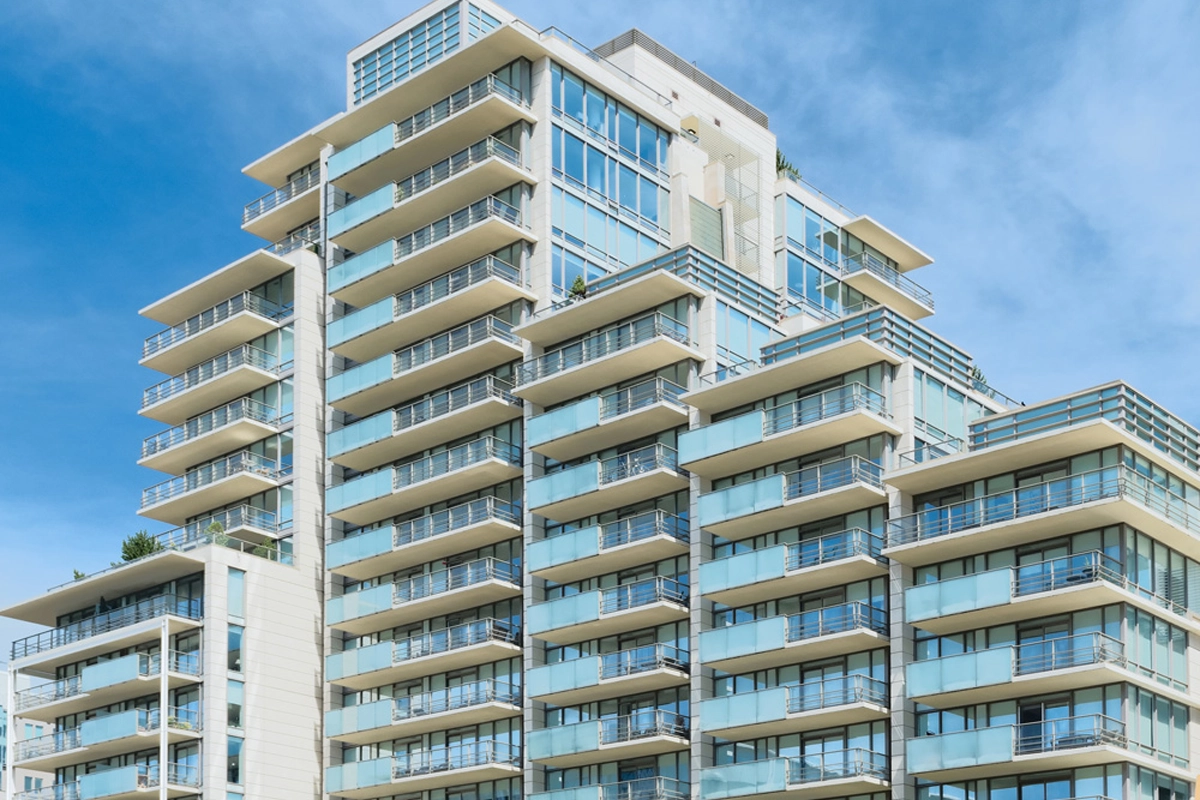
When a Florida condominium needs new windows, a simple question—“Who is responsible for replacing them?”—can turn into a complicated project issue.
The answer is not the same in every condominium. Responsibility can depend on the recorded declaration of condominium, amendments, association rules and specifications, whether the project is association-wide or unit-specific, and the current hurricane-protection provisions in Chapter 718 of the Florida Statutes.
That is why owners, boards, and property managers should verify responsibility before ordering windows, signing a contract, or assuming that the association or unit owner will pay.
This article provides general project-planning information, not legal advice. Condominium documents and Florida law should be reviewed for the specific property, and legal questions should be directed to qualified Florida counsel.
What does Florida law say about hurricane protection in condominiums?
Florida Statute §718.113 contains current hurricane-protection rules for residential and mixed-use condominiums.
Among other things, the statute requires boards to adopt hurricane-protection specifications for each building. Those specifications may address color, style, and other relevant factors, and they must comply with the applicable building code.
The statute also allows boards, under specified procedures, to install or require hurricane protection that complies with or exceeds the applicable building code.
Most importantly for a replacement project, the statute repeatedly refers back to the declaration of condominium when determining who is responsible for installation, maintenance, repair, or replacement of hurricane protection and exterior windows, doors, or other apertures.
In practice, the declaration is one of the first documents to review.
Does the association always own or replace the windows?
No.
A condominium unit may have exterior windows that are treated differently under the governing documents than a homeowner expects from looking at the building.
Depending on the declaration, responsibility may rest with:
- The association
- The individual unit owner
- The association for some components and the owner for others
- A specific allocation created by an amendment or project-wide decision
Do not rely on a neighbor’s experience in another building—or even another unit—without checking the current governing documents for your condominium.
Can a condo board stop an owner from installing hurricane protection?
Florida law gives unit owners important protections, while still allowing boards to maintain building-wide specifications.
Under current §718.113, if condominium documents require approval, a board may not refuse to approve hurricane protection installed or replaced by a unit owner when it conforms to the specifications adopted by the board. The board may, however, require adherence to an existing unified exterior appearance scheme.
That means an owner’s right to pursue code-compliant hurricane protection does not eliminate the need to follow valid building specifications for items such as color, style, or appearance.
Our separate Florida HOA and impact-window guide explains association approval questions more broadly and distinguishes condominium rules from Chapter 720 homeowners associations.
What if the association is replacing windows building-wide?
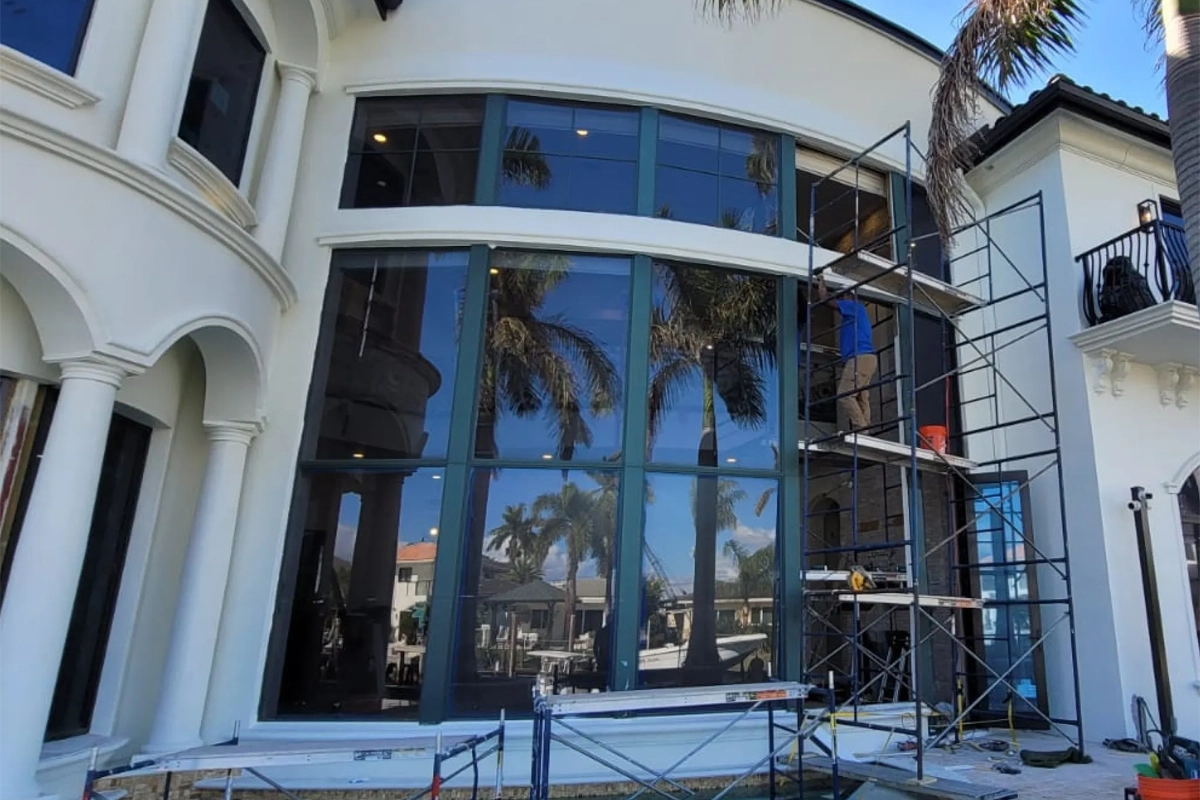
An association-wide project can be very different from a single-unit replacement.
Boards and property managers may need to coordinate:
- Engineering or design requirements
- Product selection and approvals
- Building-specific opening schedules
- Owner communication
- Access to units
- Permit phasing
- Installation sequencing
- Balcony and common-area access
- Interior protection
- Inspections and closeout
- Responsibility for finishes around the opening
- Warranty and service records
Large projects also need a clear answer to which costs are common expenses, unit-owner expenses, or otherwise allocated under the governing documents and Florida law. That is a legal/accounting issue the association should resolve before construction begins.
What if a unit owner wants to replace windows individually?
Start with documents—not product shopping.
A practical order of operations is:
- Read the declaration and amendments. Identify language governing exterior windows, doors, hurricane protection, maintenance, repair, and replacement.
- Get the board’s current hurricane-protection specifications. Confirm required color, style, frame appearance, glass appearance, or other standards.
- Confirm the association approval process. Determine what drawings, product information, insurance certificates, contractor information, deposits, or forms are required.
- Verify the product approval. The exact window or door must be appropriate for the opening and jurisdiction.
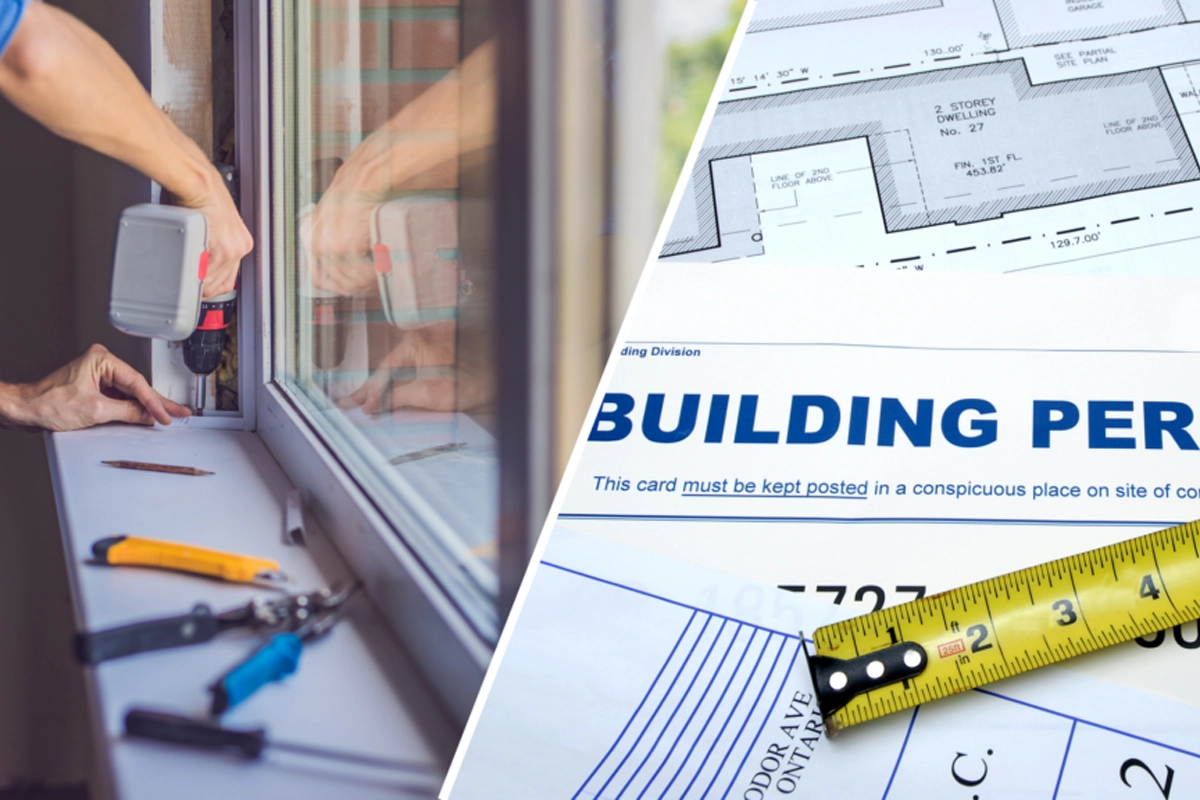
- Confirm permit responsibility. Association approval does not replace the building permit where a permit is required.
- Coordinate installation access and building rules. Elevators, loading, parking, work hours, debris handling, and common areas can affect the project.
- Preserve closeout records. Keep permits, inspections, approvals, invoices, product information, and warranties.
Does board approval replace a building permit?
No.
Condominium approval and government permitting are separate processes.
The association governs its private property and architectural requirements under the governing documents and applicable law. The local building department administers permitting and code compliance.
A contractor should identify the current Florida Product Approval or Miami-Dade NOA for the exact proposed product and use the permit process required by the jurisdiction.
Miami-Dade, for example, requires product approval information for applicable window and glass-door permits. See our guide to Florida Product Approval for the documentation homeowners and boards should expect.
Who pays when hurricane protection must be removed for other building work?
Current §718.113 contains a specific rule for certain removal and reinstallation situations.
Unless the declaration provides otherwise, a unit owner is not responsible for the cost of removing or reinstalling hurricane protection—including exterior windows, doors, or other apertures—when removal is necessary for maintenance, repair, or replacement of other condominium or association property for which the association is responsible. The statute also provides a process for deciding who completes the work and how reimbursement or credits can apply when the declaration does not specify responsibility.
Because the facts and governing documents matter, boards and owners should review the exact statutory language and obtain legal guidance before allocating costs.
How should a condo compare impact-window products?
A condominium exterior benefits from consistency, but product selection still needs technical review.
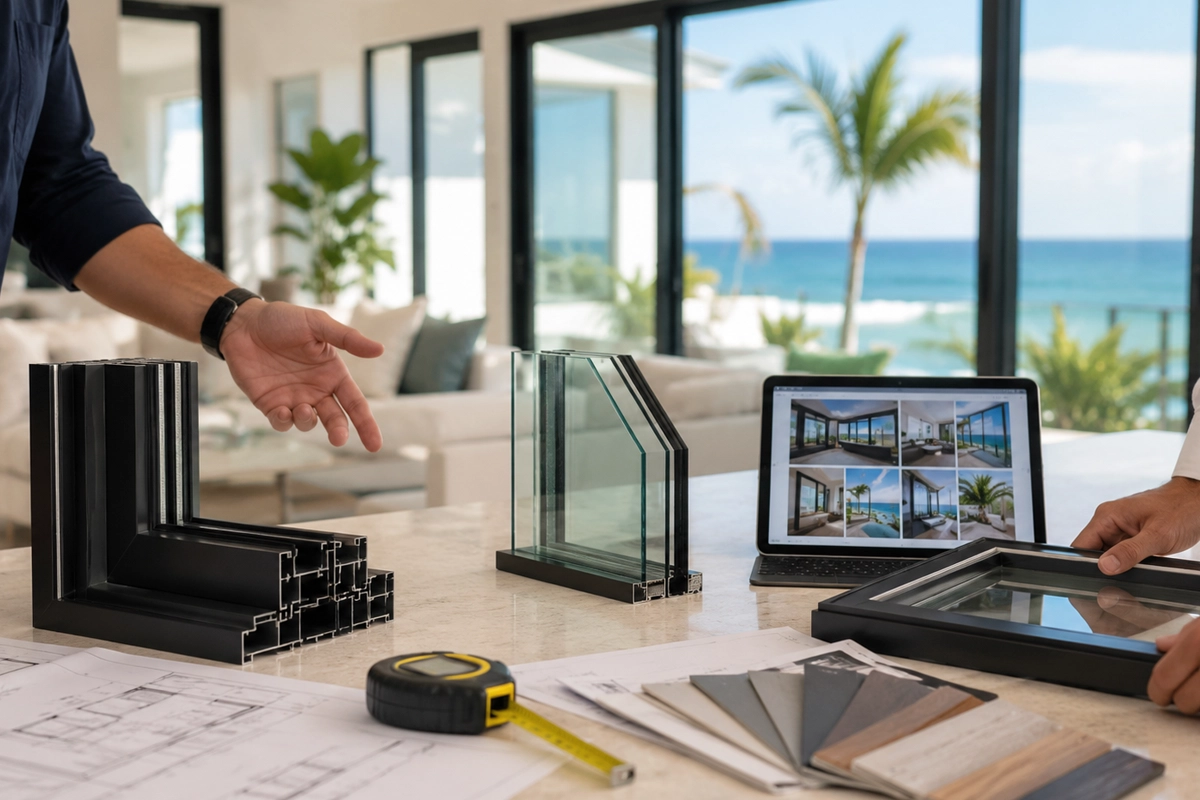
Compare:
- Current Florida Product Approval or Miami-Dade NOA
- HVHZ eligibility where applicable
- Opening-specific positive and negative design pressures
- Maximum approved sizes
- Glass tint and exterior appearance
- Frame color and profile
- Mullions and structural conditions
- Anchors and substrate
- Energy-performance options
- Operability and egress where applicable
- Maintenance requirements
- Warranty and future parts availability
Do not select a product only because another condo uses the same brand. The exact series and building conditions matter.
What should property managers collect after installation?
Create a project archive that survives board, manager, and owner turnover.
Useful records include:
- Final product schedule by unit/opening
- Approval numbers and supporting documents
- Permit numbers
- Inspection and closeout records
- Manufacturer warranties
- Contractor warranties if applicable
- Maintenance manuals
- Finish/color records
- Photos of labels where useful
- Service contacts and parts information
A well-organized archive reduces future uncertainty when a unit is sold, a component needs service, or another phase of the building is upgraded.
Frequently asked questions
Are condo windows the owner’s responsibility in Florida?
Not always. Responsibility can depend on the declaration of condominium, amendments, the nature of the work, and current Florida law. Review the governing documents before assuming either the owner or association must replace the windows.
Can a Florida condo board deny impact windows?
If approval is required, current §718.113 says a board may not refuse a unit owner’s conforming hurricane-protection installation or replacement, although the board can enforce adopted specifications and an existing unified exterior appearance scheme.
Does the condo association choose the window color?
Boards must adopt hurricane-protection specifications and may include color, style, and other relevant factors, subject to the applicable code and governing law.
Does HOA approval mean I can install the window without a permit?
No. Private association approval and government permitting are separate requirements.
Who pays for removal of impact windows needed for association building repairs?
Section 718.113 contains specific cost rules that can apply when hurricane protection must be removed for work on association-responsibility property, subject to the declaration. Review the statute and governing documents for the exact situation.
Should a condo use the same product in every unit?
A consistent product can simplify appearance and project management, but the exact technical solution still depends on opening sizes, pressures, configurations, approvals, and building conditions.
Authoritative sources
- Florida Statutes §718.113 — Maintenance; limitation upon improvement; display of flag; hurricane protection
- Florida Statutes §553.842 — Product evaluation and approval
- Florida Building Commission — Product Approval Search
- Miami-Dade County — Windows, Shutters, Doors and Security Bars
The bottom line
For Florida condos, window responsibility is a document-and-law question before it is a product question.
Confirm the declaration, board specifications, project responsibility, approval process, and permit path first. Then select the exact impact product and installation scope that fits the building.
AA Glass & Windows can help condominium owners, boards, and property teams review window and door options for a proposed project. Request a free estimate to discuss the openings and scope.