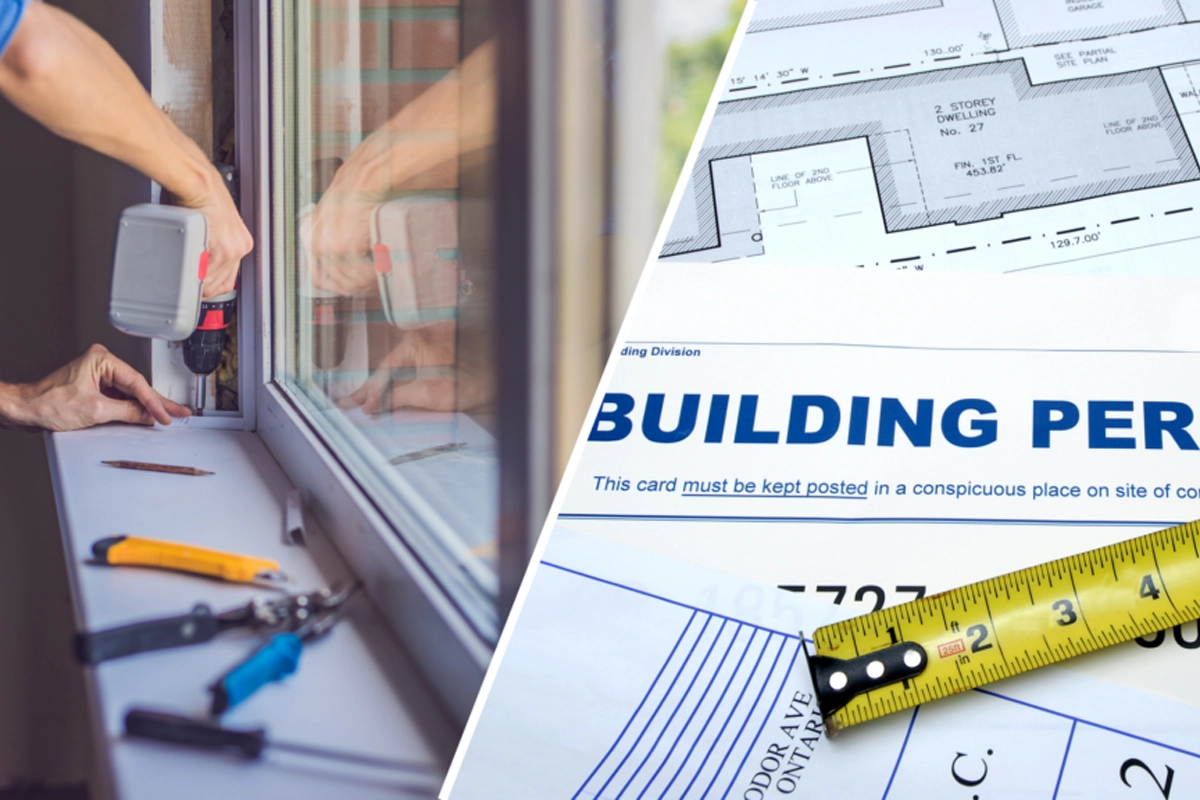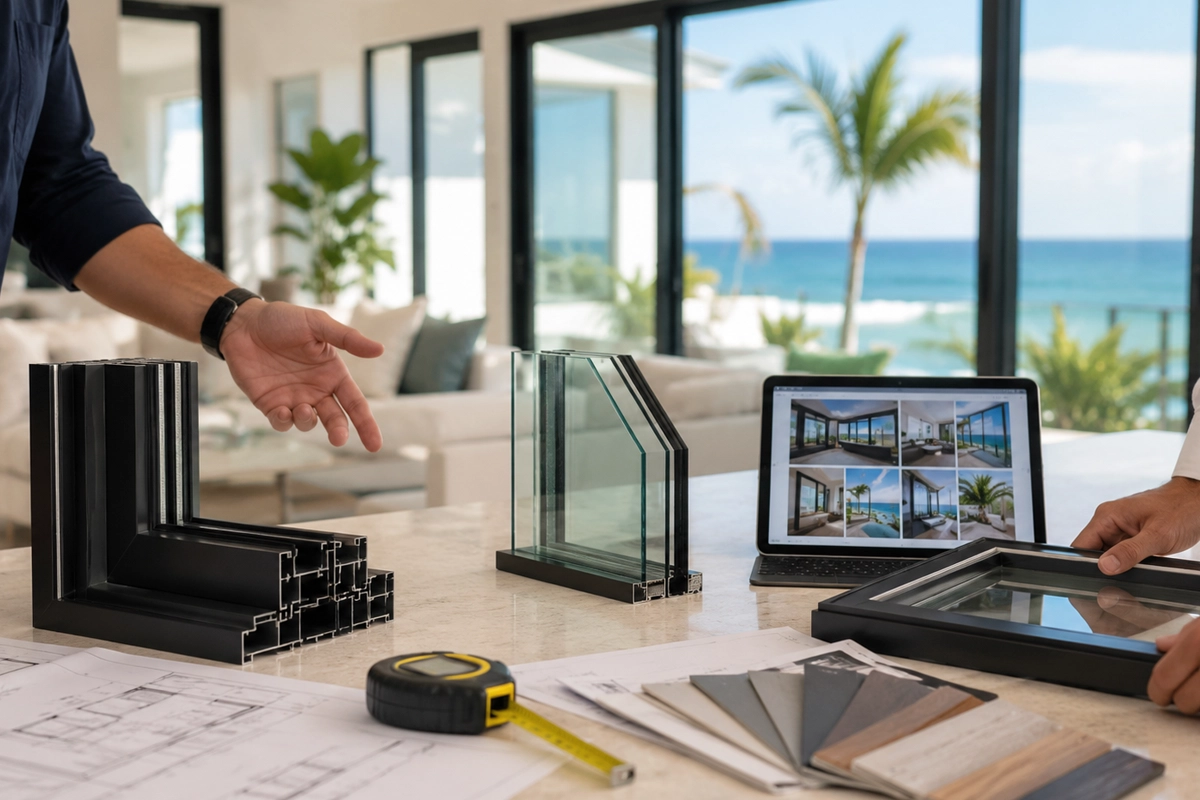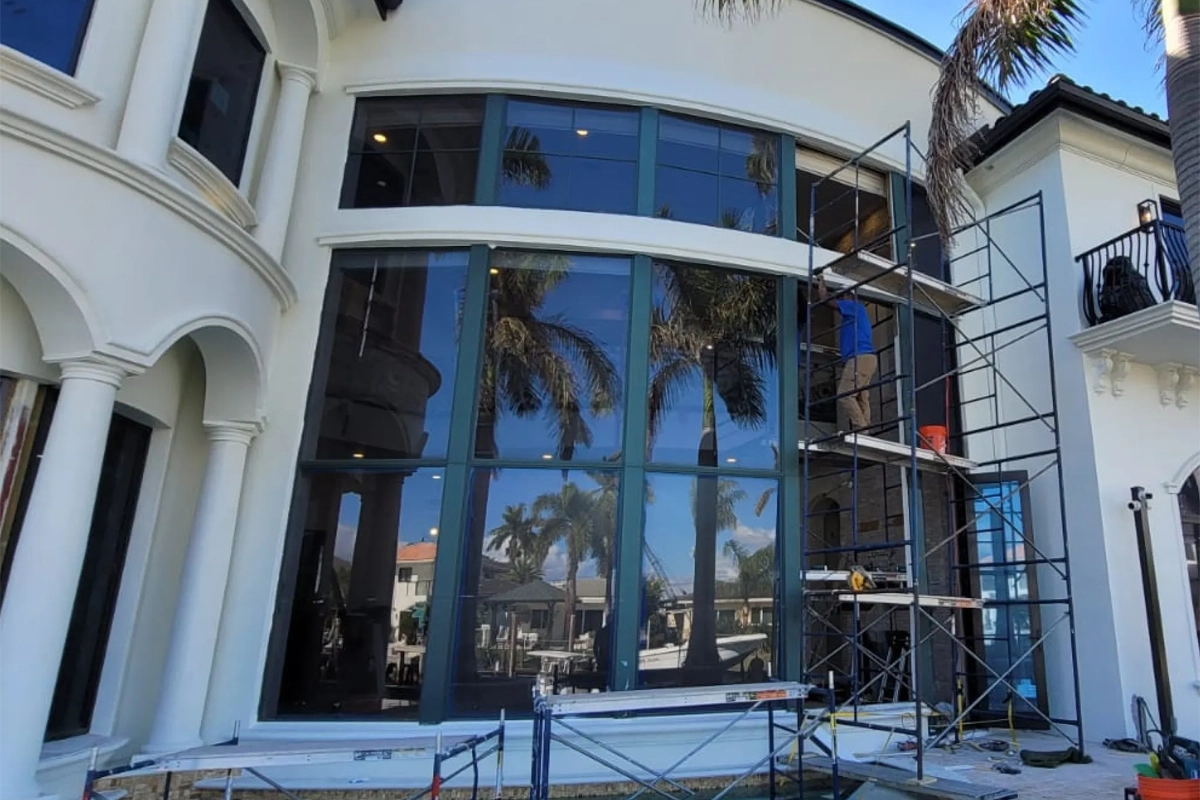
Florida window projects often use two wind-related terms as though they mean the same thing: High-Velocity Hurricane Zone (HVHZ) and Wind-Borne Debris Region (WBDR).
They do not.
The distinction can affect how a project is designed, what opening protection is required, which product documentation is reviewed, and how the permit package is prepared.
What is the HVHZ?
The Florida Building Code identifies the High-Velocity Hurricane Zone as Miami-Dade and Broward counties.
HVHZ provisions are a specific part of Florida’s code framework. For a window or exterior-door project in either county, the contractor or design professional should confirm that the exact proposed product and installation are approved for the intended HVHZ use.
What is a Wind-Borne Debris Region?
A Wind-Borne Debris Region is a code-defined area where wind and location criteria trigger opening-protection requirements.
Unlike the HVHZ, WBDR is not simply a two-county label. It is determined from the applicable code, wind information, exposure/location criteria, and project conditions.
That is why a property can be outside Miami-Dade and Broward while still being subject to wind-borne-debris opening-protection requirements.
Can a property be outside the HVHZ but inside a WBDR?
Yes.
This is one of the most useful distinctions for Florida homeowners. Being outside the HVHZ does not automatically mean opening protection is unnecessary.
The correct determination should use the governing code and the authority having jurisdiction, not a generic sales map.
Does WBDR mean impact windows are the only option?
Not necessarily.
Depending on the applicable code provisions and project, approved shutters or other opening-protection systems can also be relevant. If you are comparing strategies, read our impact windows vs shutters guide.
The selected system still has to satisfy the requirements that apply to the building and opening.
What does HVHZ status change about product approval?
Product documentation becomes especially important.
Florida’s statewide product-approval system covers windows, exterior doors, shutters, and impact-protective systems. Miami-Dade also operates its Notice of Acceptance process.
A common oversimplification is that a Florida Product Approval can never be used in the HVHZ. That is not a safe universal statement. Miami-Dade’s current permit guidance says Florida Building Commission product approvals are acceptable, and statewide approvals can include HVHZ use.
The practical question is whether the exact approval document covers the product, configuration, location, dimensions, pressures, glass, anchorage, and intended use.
Our Florida Product Approval guide explains those limitations.
Why design pressure still matters
An “impact” label does not replace opening-specific wind design.
Permit documents can require positive and negative pressure values for each opening. The selected product must support those pressures within its approved size, glass, anchor, mullion, and substrate conditions.
See our design pressure guide for more detail.
How should a homeowner verify the correct zone?
A practical sequence is:
- Identify the property jurisdiction.
- Confirm the applicable code edition.
- Use the official wind/design resources required by that jurisdiction.
- Ask the local building department or design professional whether WBDR requirements apply.
- If the property is in Miami-Dade or Broward, account for HVHZ provisions.
- Match the exact product approval to those conditions.
This matters most near boundaries or where wind/exposure conditions require project-specific interpretation.
Frequently asked questions
Is all of South Florida in the HVHZ?
No. The Florida Building Code identifies the HVHZ as Miami-Dade and Broward counties.
Is Palm Beach County in the HVHZ?
No. Palm Beach County is not part of the two-county HVHZ, although individual projects can still be subject to WBDR and other wind-design requirements.
Is WBDR the same as a hurricane evacuation zone?
No. Building-code wind regions and emergency-management evacuation zones serve different purposes.
Do I always need a Miami-Dade NOA in the HVHZ?
Do not use that as a universal shortcut. Verify the exact approval pathway and whether a Florida Product Approval includes the required HVHZ use. Current approval documents and the local authority control.
Does impact rated mean every pressure requirement is satisfied?
No. Impact performance and design pressure are different checks. Approved size, pressure, glass, anchors, substrate, and installation conditions still matter.
Authoritative sources
- Florida Building Commission — Florida Building Code resources
- Florida Building Commission — Product Approval Search
- Florida Statutes §553.842 — Product evaluation and approval
- Miami-Dade County — Windows, Shutters, Doors and Security Bars
- Miami-Dade County — Product Approval
The bottom line
HVHZ is a specific two-county zone; WBDR is a broader code-defined condition that can apply elsewhere in Florida.
The correct window or door decision comes from the property’s actual code conditions, required pressures, and an approval that covers the proposed system.
AA Glass & Windows can help organize those details before ordering impact windows or doors. Request a free estimate to review your project.