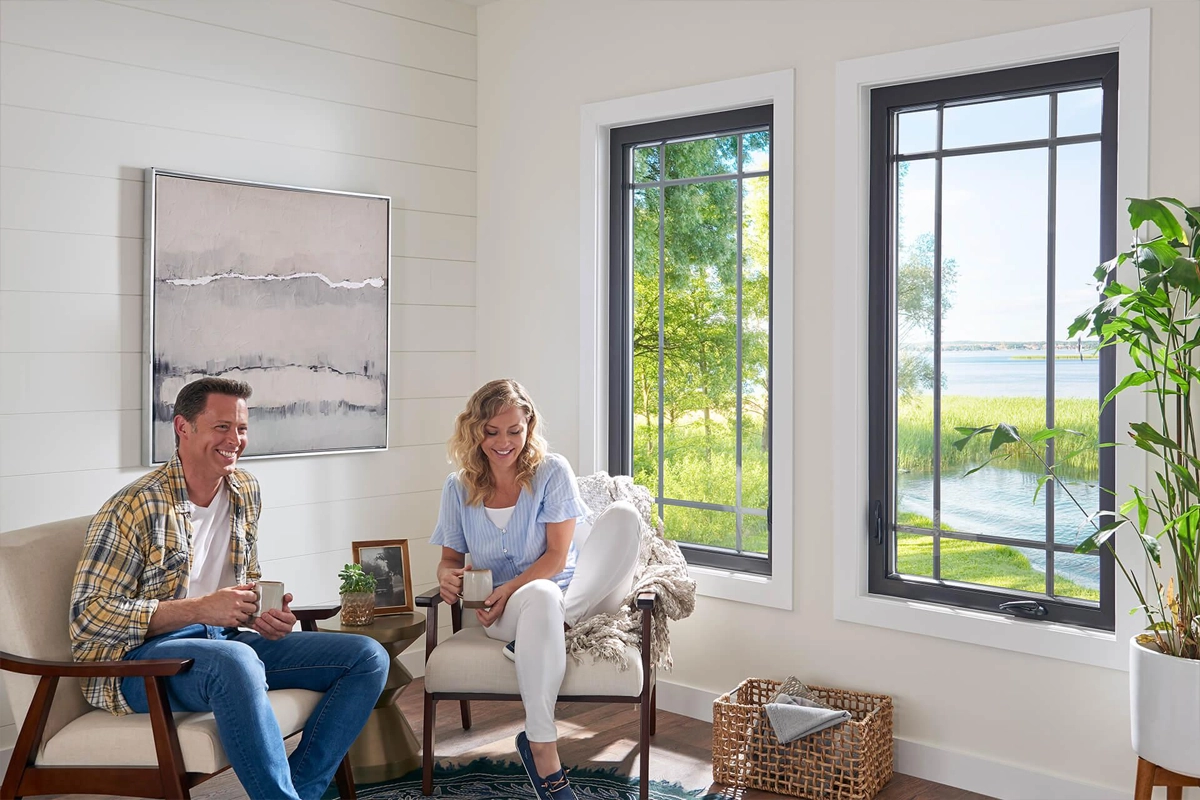
Florida sunlight can fade flooring, furniture, artwork, fabrics, and interior finishes over time. That leads to a common question during impact-window shopping: do impact windows block UV rays?
The most important distinction is that impact resistance and solar/UV performance are not the same rating.
An impact-rated window is approved for structural and impact-related performance in its documented configuration. Its glass package may also include laminated layers, tint, Low-E coatings, insulated glass, or other features that affect solar heat and ultraviolet transmission.
The correct answer therefore depends on the exact glass package—not simply the word “impact.”
Does laminated glass reduce UV transmission?
Laminated glass can reduce ultraviolet transmission because the bonded interlayer and glass construction affect the wavelengths passing through the glazing.
But manufacturers use different interlayers, thicknesses, coatings, tints, and insulating-glass configurations.
Do not assume every laminated impact product has the same UV percentage.
If UV reduction is a priority, ask the manufacturer or dealer for documentation for the exact glass make-up being quoted.
What does Low-E glass do?
Low-emissivity, or Low-E, coatings are microscopically thin coatings designed to manage radiant heat transfer through glazing.
The U.S. Department of Energy explains that Low-E coatings can:
- Lower U-factor
- Manage solar heat gain
- Affect visible-light transmission
- Reduce fading of fabrics and furnishings
Some coatings are designed specifically for hot climates to reduce unwanted solar heat while still allowing daylight.
That can be particularly relevant in Florida, where cooling loads and solar exposure are major design considerations.
Is Low-E the same as tint?
No.
Tint and Low-E are different technologies.
Tinted glass changes how much solar energy and visible light pass through the glazing by absorbing or filtering portions of the solar spectrum.
Low-E coatings use thin metallic or metallic-oxide layers to manage radiant heat transfer.
A product can have:
- Clear laminated glass
- Tinted laminated glass
- Low-E laminated glass
- Insulated impact glass with Low-E
- Other approved combinations
The selected configuration must still be part of the approved product documentation where required.
What is Solar Heat Gain Coefficient?
Solar Heat Gain Coefficient, or SHGC, measures the fraction of solar heat admitted through a window or door.
The value ranges from 0 to 1.
A lower SHGC means less solar heat is transmitted through the product.
For warm climates, lower solar heat gain can help reduce unwanted heat entering the building, but SHGC is not a direct “UV blocking percentage.”
Use SHGC to compare solar heat performance, not to make a UV claim it does not measure.
What is Visible Transmittance?
Visible Transmittance, or VT, describes how much visible daylight passes through the product.
A higher VT generally means more visible light.
This matters because homeowners often want to reduce heat and fading without making rooms unnecessarily dark.
A well-selected glazing package balances:
- Solar heat control
- Visible daylight
- Appearance
- Tint
- Energy rating
- Impact approval
NFRC-certified ratings help compare energy performance consistently.
Does impact glass automatically save energy?
No.
Impact resistance describes one performance area. Energy performance depends on frame and glazing characteristics such as U-factor, SHGC, air leakage, Low-E coatings, insulating glass, and other features.
Our impact-window energy-efficiency guide explains those metrics in more detail.
A contractor should not promise a fixed utility-bill reduction simply because a window is impact rated.
Can UV performance help protect interiors?
Reducing UV exposure can help reduce one contributor to fading, but fading also depends on visible light, heat, material chemistry, exposure duration, and other factors.
Avoid absolute claims such as “your furniture will never fade.”
The more useful approach is to compare the documented glazing package and choose a product appropriate for the home’s orientation and priorities.
Rooms with large west- or south-facing glass may have different solar-control priorities than shaded openings.
What should you ask for in a quote?
If solar and UV performance matter to you, ask for:
- Manufacturer and product series
- Exact glass package
- Laminated glass construction
- Low-E coating name or specification
- Tint/color
- U-factor
- Solar Heat Gain Coefficient
- Visible Transmittance
- NFRC certification information where available
- Product approval confirming the selected glazing configuration is permitted
That is much more useful than a generic promise that all impact glass blocks heat or UV.
Frequently asked questions
Do impact windows block 100% of UV rays?
Do not assume 100%. UV performance depends on the exact glass, interlayer, coatings, tint, and configuration. Ask for product-specific documentation.
Does laminated glass help with UV?
Laminated construction can reduce UV transmission, but the amount varies by product. Compare the documented glass package.
Is Low-E glass worth considering in Florida?
Low-E coatings can be useful in hot climates because they can reduce unwanted solar heat while preserving daylight, depending on the coating and glass package.
Does darker tint always mean better energy performance?
No. Tint affects visible light and solar transmission, but the best choice depends on the complete rated configuration. Compare SHGC, U-factor, and VT.
Does UV protection mean a window is impact rated?
No. UV/solar performance and hurricane-impact approval are separate characteristics.
Can aftermarket film improve UV control?
Some films can reduce UV transmission, but adding film can affect appearance, thermal behavior, or manufacturer warranty terms. Verify compatibility with the exact window manufacturer before applying aftermarket products.
Authoritative sources
- U.S. Department of Energy — Window Types and Technologies
- U.S. Department of Energy — Purchasing Energy-Efficient Residential Windows, Doors, and Skylights
- NFRC — Residential Product Certification
- Florida Statutes §553.842 — Product evaluation and approval
The bottom line
Impact windows can be configured with glass packages that reduce UV exposure and solar heat, but impact status alone does not tell you the UV or energy performance.
Compare the exact glass, Low-E coating, tint, SHGC, U-factor, and visible transmittance for the proposed product.
AA Glass & Windows can help you compare impact-window glass options for your Florida home. Request a free estimate to discuss your openings and priorities.