Tempered glass and hurricane-impact windows solve different problems. Tempered glass is a type of safety glazing engineered to break in a characteristic way. An impact window is a complete window assembly evaluated for hurricane-related impact and pressure performance under the applicable approval framework.
That distinction matters in Florida because a pane can be safety glazing without making the entire window an approved hurricane-impact system.
Quick comparison: impact windows vs. tempered glass
| Question | Impact window | Tempered glass |
|---|---|---|
| Is it a complete window system? | Yes | No, it describes a glass treatment/type |
| Can it use laminated glazing? | Commonly, depending on the approved system | Tempered glass can also be used in laminated configurations |
| Is “tempered” alone proof of hurricane-impact approval? | No | No |
| Does the frame/anchorage matter? | Yes | Tempering says nothing about the frame or anchorage |
| Is safety-glazing compliance the same as Florida impact approval? | No | No |
The best way to avoid confusion is to stop comparing only the glass. For hurricane protection, verify the whole approved product.
What is tempered glass?
Tempered glass is heat-treated or otherwise processed so that its strength and breakage behavior differ from ordinary annealed glass.
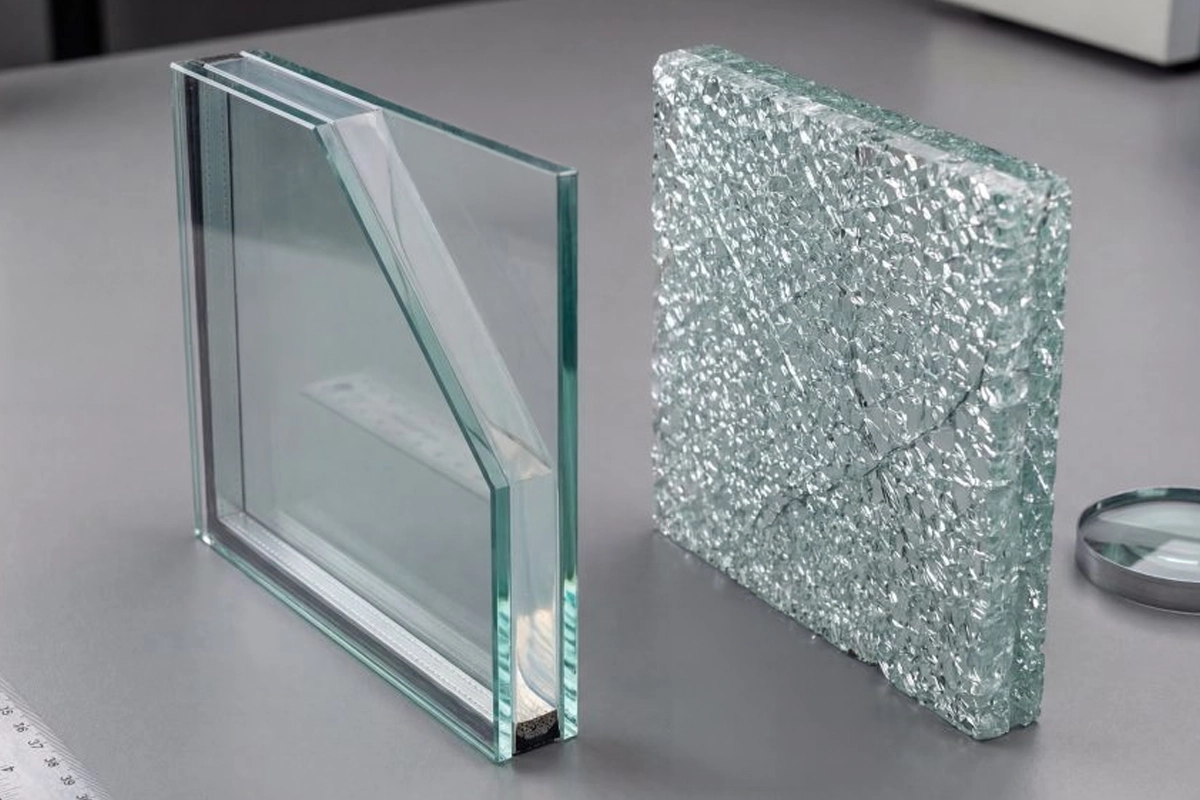
Consumer Product Safety Commission materials describing architectural safety glazing note that highly tempered glass breaks into relatively small particles when fractured. That breakage characteristic is why tempered glass is commonly associated with safety-glazing applications.
But “safety glazing” and “hurricane-impact protection” are not interchangeable labels.
A tempered pane does not tell you:
- Whether the window has passed Florida hurricane-impact testing
- Whether the frame is approved for the opening
- What positive or negative design pressure applies
- Which anchors and substrate are required
- Whether the unit is approved for HVHZ use
What makes an impact window different?
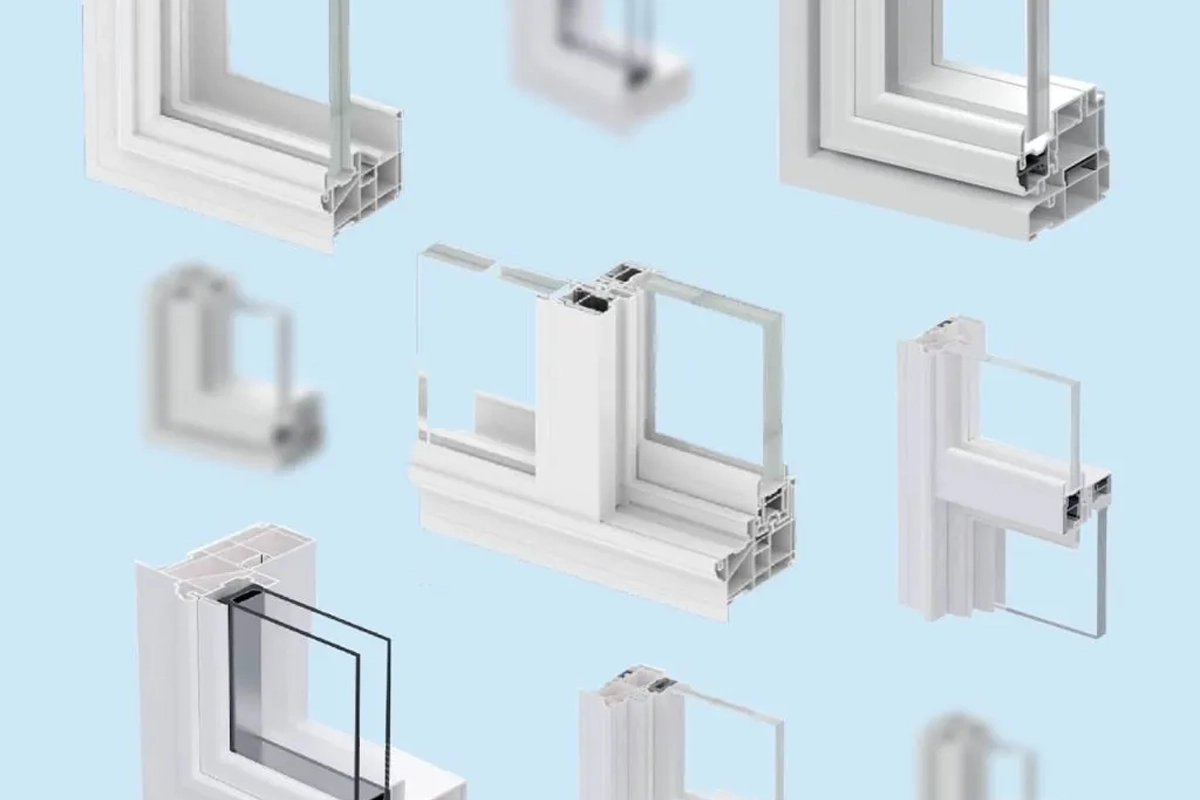
An impact window is evaluated as an assembly.
Depending on the product, that can include:
- Laminated glass construction
- Heat-strengthened or tempered plies as part of the laminate
- Frame and sash members
- Locks and operating hardware
- Mullions
- Anchors and fastener spacing
- Specified substrate
- Approved sizes and configurations
- Design-pressure limits
Miami-Dade’s current Product Testing Inquiries guidance specifically distinguishes testing for impact and non-impact windows. It notes that non-impact windows do not use the same impact/cyclic test sequence as impact products.
That is the core difference: tempered describes glass; impact approval describes documented performance of a specific product configuration.
Can an impact window contain tempered glass?
Yes, depending on the approved product design.
This is why the question “tempered or impact?” can be misleading. A laminated impact glass makeup can incorporate heat-treated glass plies, including tempered or heat-strengthened components, if that is what the approved configuration specifies.
The right question is not whether the glass contains a tempered lite. It is whether the entire window assembly has the required current approval for the project.
Is tempered glass stronger than regular glass?
Tempering changes glass strength and breakage characteristics, but that still does not create hurricane approval by itself.
For a Florida replacement project, strength must be considered together with:
- Wind loads
- Impact requirements where applicable
- Approved size
- Glass makeup
- Frame design
- Anchoring
- Installation method
A generic “stronger glass” claim should never replace actual product documentation.
Why safety glazing rules are separate from hurricane rules
Safety-glazing rules address injury hazards in specified locations, such as certain doors and glazed panels. The federal Consumer Product Safety Commission maintains 16 CFR Part 1201 for architectural glazing materials within its scope.
Hurricane-impact performance addresses a different hazard: windborne debris and pressure loading on building-envelope components.
A project can therefore involve both questions:
- Does this location require safety glazing?
- Does this opening require windborne-debris protection or an impact-rated assembly?
Those questions can overlap, but they are not the same requirement.
How can homeowners verify an impact product?
Before ordering, ask for the exact:
- Manufacturer
- Product series
- Florida Product Approval or Miami-Dade NOA when applicable
- Impact designation
- HVHZ status where relevant
- Approved size/configuration
- Positive and negative design pressures
- Glass makeup
- Anchor/substrate requirements
Then compare that documentation with the actual opening and permit package.
Our Florida Product Approval guide explains how to review those fields, and our design-pressure guide explains why one DP number does not apply automatically to every opening.
What if a contractor only says “it’s tempered”?
Ask for more documentation.
“Tempered” can be a perfectly appropriate description of one part of the glazing, but it does not answer whether the system is approved as hurricane-impact protection.
Useful follow-up questions include:
- What is the exact product approval number?
- Is this exact size/configuration listed?
- Is it impact rated?
- Is it approved for my jurisdiction and exposure?
- What glass makeup is specified?
- What anchoring/substrate is required?
If those answers are missing, the glass label alone is not enough information to evaluate the proposed hurricane-protection system.
What about laminated glass that is not part of an approved impact window?
Laminated glass is another glass construction, not automatically a Florida hurricane approval.
Laminated glazing can be used for many purposes. For hurricane protection, the relevant issue remains whether the complete window or door assembly—and its installed configuration—meets the applicable approved system requirements.
This is also why adding aftermarket film to an ordinary window should not be presented as automatically turning that window into an approved impact assembly.
Frequently asked questions
Is tempered glass the same as impact glass?
No. Tempered refers to a glass treatment and safety breakage behavior. Impact-window approval concerns the performance of a complete tested/approved assembly.
Can impact glass be tempered?
An approved laminated impact-glass makeup may use heat-treated plies, depending on the product. Verify the exact approved glass construction instead of assuming one universal recipe.
Is tempered glass hurricane rated?
Tempering alone is not proof of hurricane-impact approval. Verify the Florida Product Approval or Miami-Dade NOA for the complete assembly where applicable.
Does tempered glass stay together when it breaks?
Highly tempered glass is designed to break into small particles. Laminated glazing behaves differently because an interlayer can retain broken glass. The exact behavior depends on the glass construction.
Do Florida homes need impact windows everywhere?
Not universally. Opening-protection requirements depend on the applicable code, location, exposure, building conditions, and project scope. Impact windows are one way to provide approved opening protection where required.
How do I know what glass I already have?
Look for permanent labels/etchings, product stickers where still present, permit records, approval numbers, manufacturer information, and professional verification. Our impact-window identification guide gives a practical checklist.
Official and primary sources
- U.S. Consumer Product Safety Commission — Safety Standard for Architectural Glazing Materials
- Miami-Dade County — Product Testing Inquiries
- Miami-Dade County — Product Approval
- Florida Building Commission — Product Approval Search
- Florida Statutes §553.842
The bottom line
Tempered glass can be an important safety-glazing material, but tempered is not a synonym for hurricane-impact approved.
For a Florida impact-window project, verify the complete system: glass, frame, configuration, size, design pressure, anchorage, substrate, and current product approval.
If you are comparing replacement options, explore our impact windows service or request a free estimate for project-specific guidance.