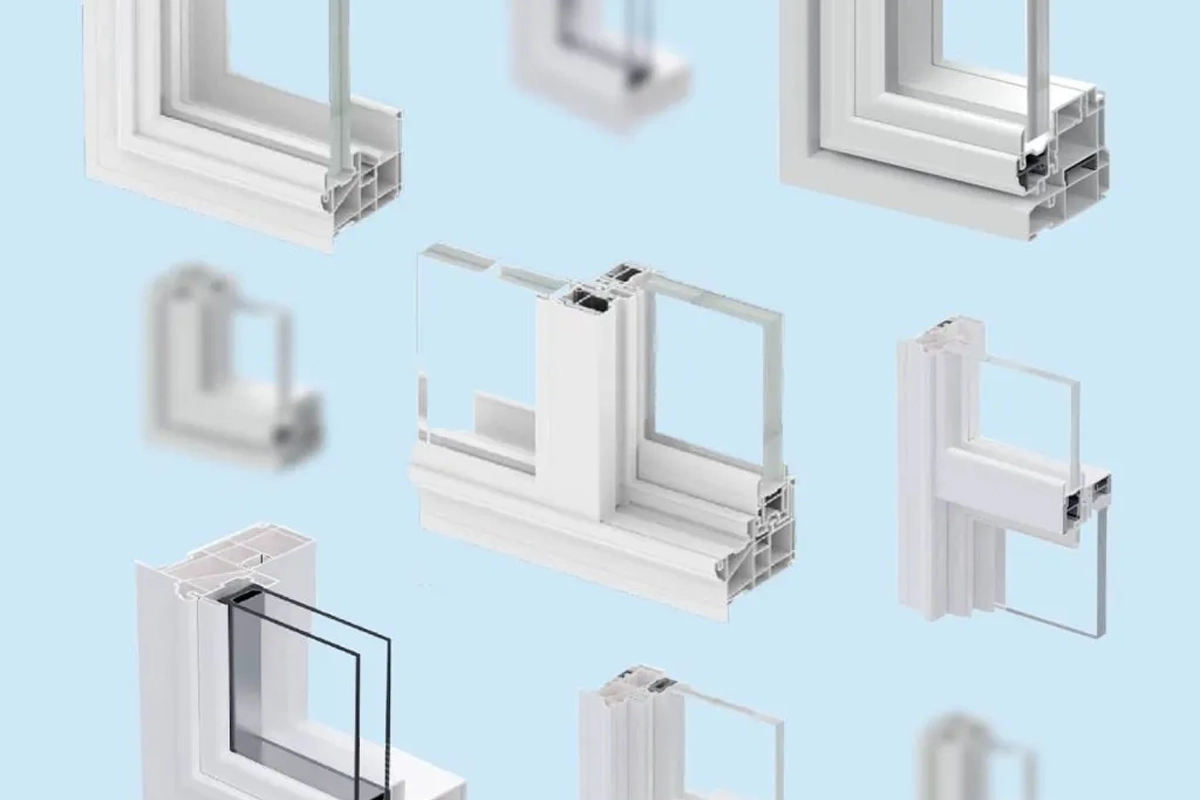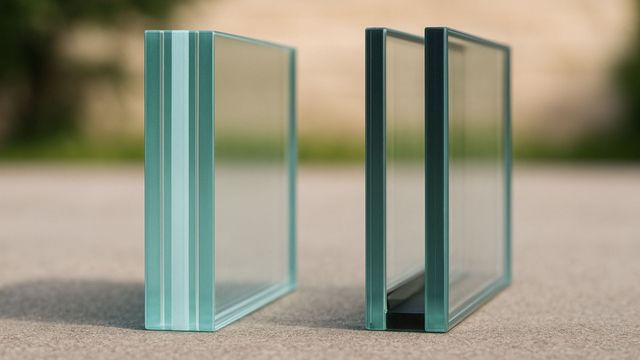
“Laminated” and “insulated” describe different parts of a window’s glazing construction.
Laminated glass uses bonded glass layers with an interlayer. An insulating glass unit, or IGU, uses two or more panes separated by a sealed space to improve thermal performance. A product can combine both ideas.
Laminated glass and impact approval
For a Florida impact-window project, laminated glass by itself is not the complete approval. The approved assembly includes the frame, glass, hardware, anchors, and installation conditions.
Always verify the exact product approval, size, glass schedule, pressures, and installation limitations.
What is insulated glass?
The U.S. Department of Energy describes insulated glazing as two or more panes separated by a sealed space. This construction is used to reduce heat transfer.
An approved impact-window configuration may combine an insulating unit with a laminated lite and optional coatings. The exact construction varies by manufacturer and series.
What does “insulated laminated” mean?
In window specifications, insulated laminated glass generally describes an insulating unit in which one of the lites is laminated.
The phrase alone does not prove hurricane approval. Verify the manufacturer’s exact glass schedule and the product approval for the proposed window.
How should energy performance be compared?
Use certified whole-product ratings where available.
The National Fenestration Rating Council identifies metrics such as:
- U-factor for non-solar heat transfer
- Solar Heat Gain Coefficient for admitted solar heat
- Visible Transmittance for visible light
Low-E coatings can change thermal and solar performance.
Our Low-E, SHGC and U-factor guide explains how to compare those ratings.
What about UV performance?
Do not assume a universal percentage.
UV performance depends on the exact glass layers, interlayer, coatings, tint, and manufacturer data. If fading protection is a goal, ask for glass-specific performance information.
See our impact-window UV guide for more detail.
What about condensation?
Condensation depends on indoor humidity, outdoor conditions, frame performance, glass configuration, and air movement.
Fogging between sealed panes can indicate a different issue than moisture on the room-side surface.
Our condensation and fogging guide explains the distinction.
What should a Florida homeowner verify?
Compare the exact project requirements:
- Impact classification.
- Product approval.
- Opening size and design pressures.
- Approved glass schedule.
- U-factor and SHGC where energy performance matters.
- Visible light and tint.
- Low-E option.
- Frame material and finish.
- Coastal exposure.
- Project goals and budget.
Frequently asked questions
Is insulated glass automatically an impact product?
No. Insulated glass describes a multi-pane construction. Impact performance must be supported by the approved product and configuration.
Is laminated glass automatically energy efficient?
Not by itself. Compare whole-product U-factor, SHGC, and other certified ratings for the exact configuration.
Can an impact window have Low-E glass?
Yes, approved product configurations can include Low-E options. Verify the exact glass schedule and ratings.
Can the glass package change after permit approval?
A glass change can affect the approved configuration, energy information, pressures, or permit documents. Confirm changes before ordering or installation.
Authoritative sources
- U.S. Department of Energy — Window Types and Technologies
- National Fenestration Rating Council
- Florida Building Commission — Product Approval Search
- Florida Building Commission — Current Code Resources
The bottom line
Laminated glass and insulated glass answer different performance questions.
For Florida impact windows, verify the approved assembly first, then compare the glass package’s thermal, solar, visible-light, comfort, and maintenance characteristics.
AA Glass & Windows can help compare glass configurations. Explore our glass options or request a free estimate.