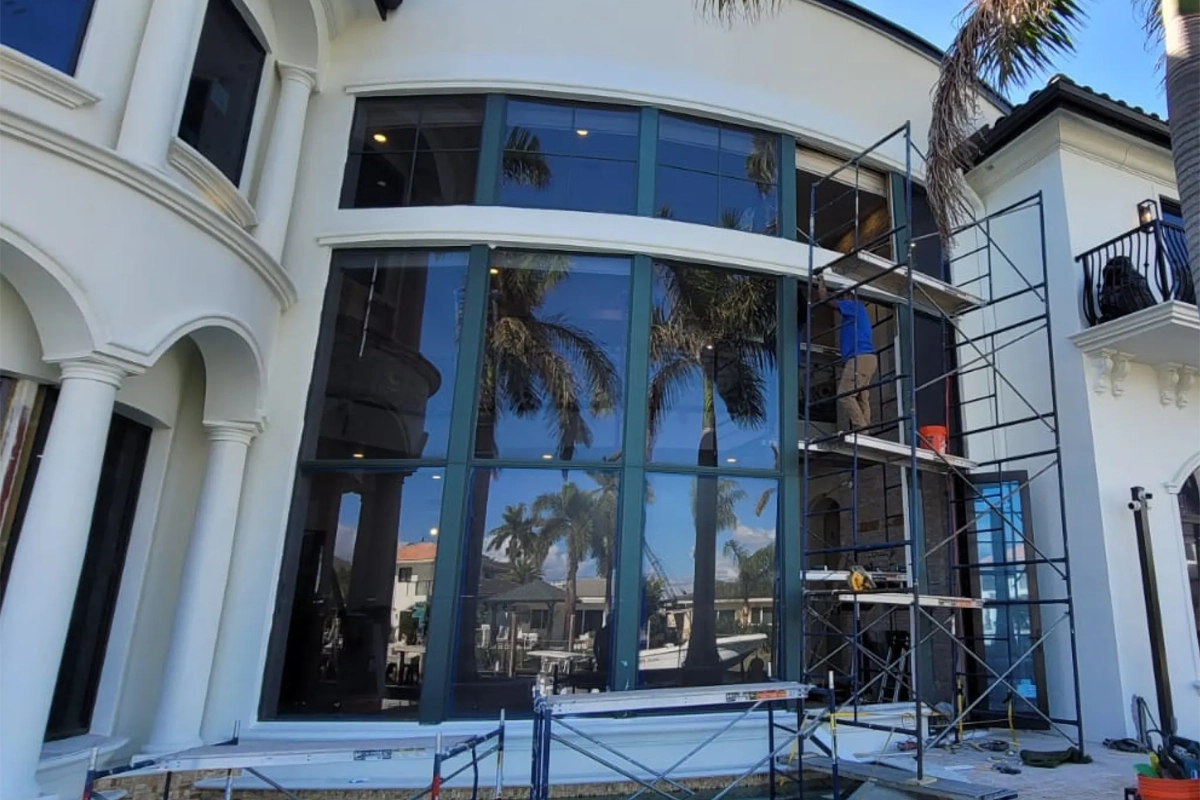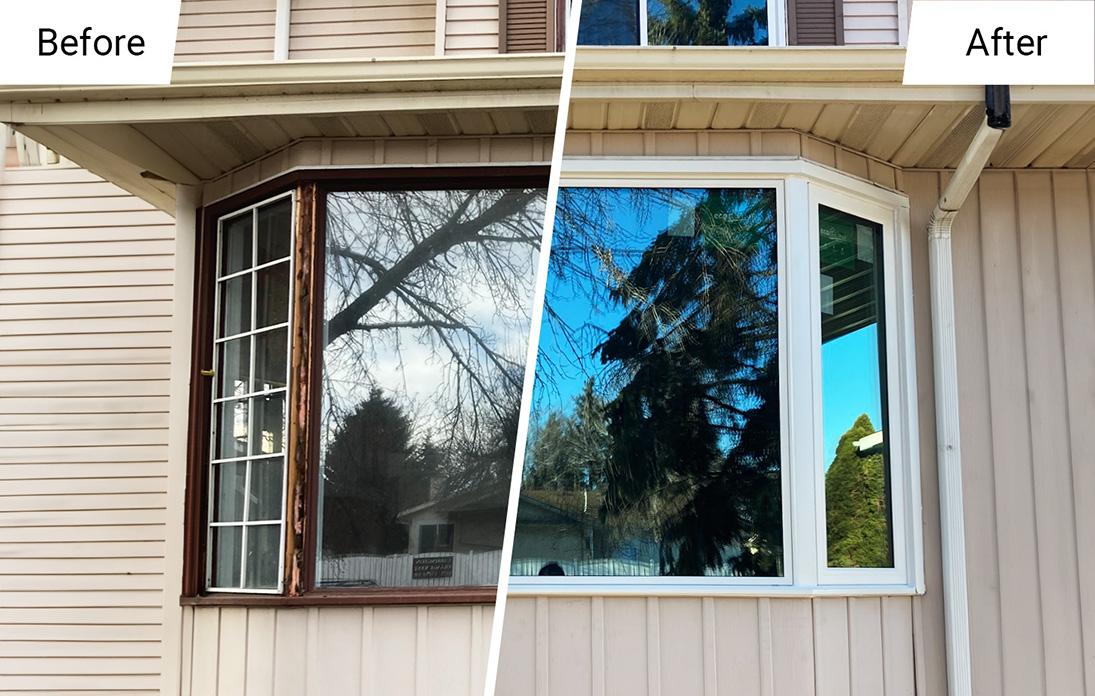
“Replacement window” can describe more than one installation approach.
In Florida, the right method depends on the existing opening, old frame, buck or substrate, product approval, water-management details, and project scope.
A homeowner should understand whether the installer plans to preserve parts of the existing opening or remove the old assembly back to the structural condition.
What does retrofit-style replacement mean?
In general construction language, retrofit replacement means installing a new unit while preserving more of the existing opening condition.
Depending on the product and building, that can involve retaining portions of:
- Existing frame
- Buck
- Interior finish
- Exterior finish
- Stucco return
The exact method must still match an approved installation condition.
“Retrofit” is not permission to improvise.
What is full-frame replacement?
Full-frame replacement generally means removing the existing window assembly more completely so the installer can address the rough opening, buck, substrate, waterproofing and new frame directly.
That can be useful when:
- Existing frames are deteriorated
- Bucks are damaged
- Corrosion is present
- Water intrusion has affected the opening
- The opening size is changing
- The approved new system needs a different attachment condition
It can also involve more finish work.
Does Florida require one method over the other?
There is no single statewide rule saying every replacement window must use one generic installation method.
The permitted installation has to follow the applicable Florida Product Approval, project documents, manufacturer’s instructions, code requirements and local permit conditions.
Florida’s approval database and installation drawings commonly identify multiple approved substrate and attachment conditions.
See our bucks, anchors and substrate guide for why those details matter.
What happens to the old frame?
That depends on the system.
Some replacement methods may preserve part of an existing condition. Others remove the old frame entirely.
Before the contract is signed, ask:
- What exactly is being removed?
- What remains?
- How will hidden damage be handled?
- What happens if the existing buck is unsuitable?
- Who performs stucco or drywall repair?
- How will the opening be sealed?
Those details should not be discovered after demolition starts.
What about stucco?
Full-frame removal can disturb exterior finishes more than a limited replacement method.
That does not automatically make retrofit installation better.
If the existing opening has poor waterproofing, deteriorated bucks, corrosion or incompatible dimensions, preserving more material can hide a problem instead of solving it.
The correct scope should follow the actual condition.
Does the installation method affect design pressure?
Potentially.
The approved product may list different anchor schedules or pressure limitations depending on:
- Substrate
- Anchor type
- Embedment
- Edge distance
- Buck condition
- Frame configuration
The same window can have different allowable conditions depending on how it is attached.
What about water management?
Structural attachment and water management are separate but connected.
The project may need to address:
- Perimeter sealant
- Sill condition
- Flashing
- Drainage
- Stucco cracks
- Existing waterproofing
- Interior finish
Our water resistance vs design pressure guide explains why a strong structural rating does not eliminate installation-related water risks.
How should homeowners compare proposals?
Ask each contractor to describe:
- Removal method
- Existing frame treatment
- Buck treatment
- Substrate
- Product approval installation detail
- Anchor type
- Sealant/flashing approach
- Stucco and drywall responsibility
- Hidden-damage procedure
- Permit and inspection scope
That makes two proposals much easier to compare.
Frequently asked questions
Is retrofit installation always cheaper?
Not necessarily. Cost depends on the opening condition, product, finish work, permit scope and hidden conditions.
Is full-frame installation always better?
No. The right method depends on the building and approved installation condition.
Can a damaged buck be left in place?
A deteriorated or unsuitable buck should not be treated as acceptable merely to avoid additional work. The opening needs to satisfy the approved structural condition.
Does the permit show the installation method?
Permit documents and product approvals can establish the approved attachment and substrate condition used for the project.
Authoritative sources
- Florida Building Commission — Product Approval Search
- Miami-Dade County — Windows, Shutters, Doors and Security Bars
- Florida Division of Emergency Management — Hurricane Retrofit Guide: Openings
The bottom line
Do not choose an installation method based only on which one disturbs less stucco.
Choose the method that matches the actual opening condition, approved product, substrate, anchorage and water-management needs.
AA Glass & Windows can help evaluate replacement-opening conditions before installation. Request a free estimate to discuss your project.