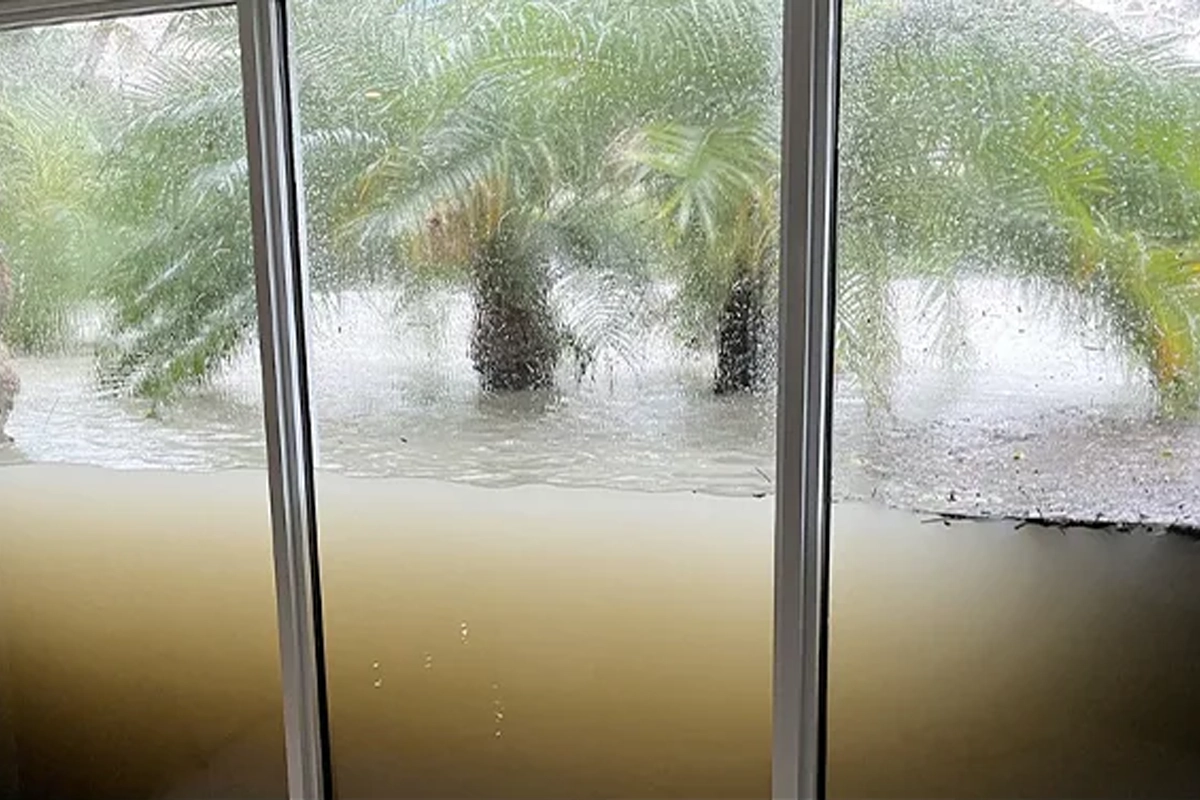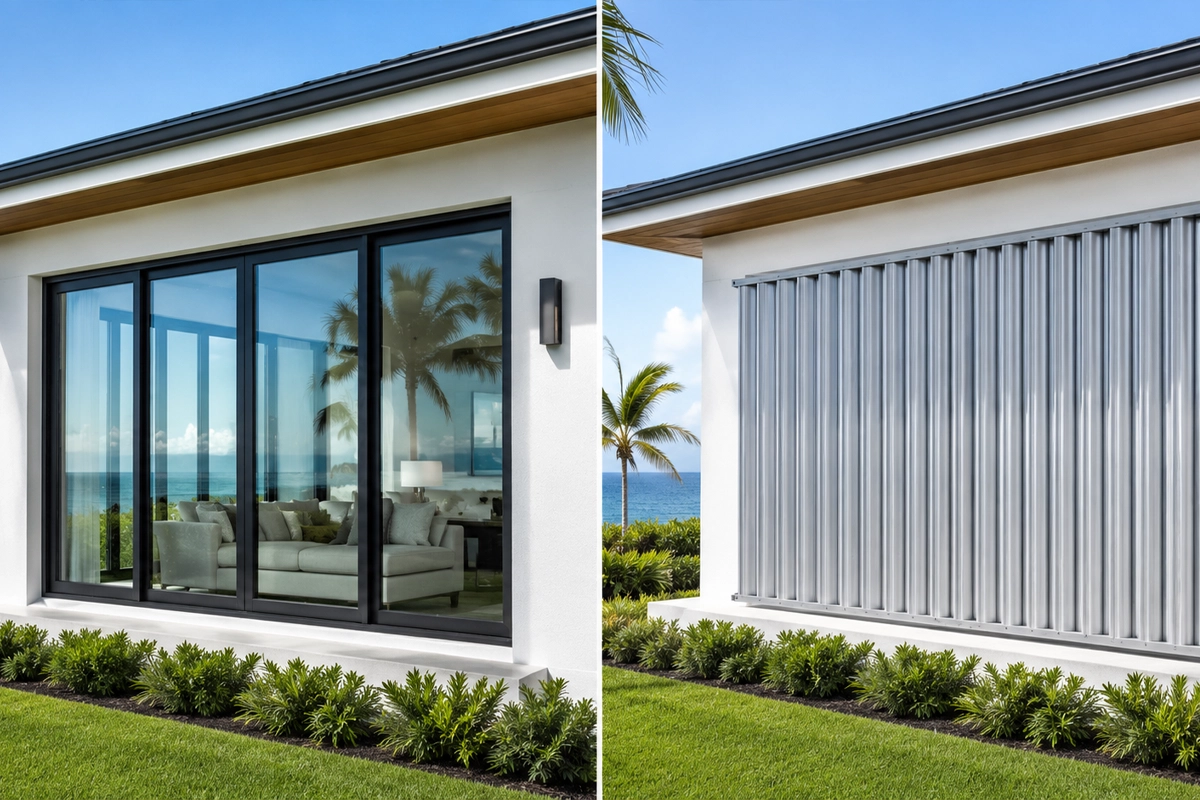
Florida reaches the climatological peak of Atlantic hurricane activity in September, but that does not mean hurricane season ends when September does.
The National Hurricane Center defines the Atlantic hurricane season as June 1 through November 30. The climatological peak is around September 10, with most Atlantic activity historically concentrated from mid-August into mid-October.
For homeowners, the practical message is simple: after the September peak, keep storm plans, supplies, and opening protection ready through the rest of the official season.
When does hurricane season officially end?
The Atlantic hurricane season officially ends on November 30.
The Atlantic basin includes the Atlantic Ocean, Caribbean Sea, and Gulf. Florida can be affected by systems developing in more than one part of that basin, so a calendar move from September into October is not a reason to dismantle preparedness.
The National Hurricane Center also notes that tropical cyclones can occasionally occur outside the official season. The dates describe the period of relatively high activity; they do not create a force field around the calendar.
Why does September get so much attention?
September contains the climatological peak of Atlantic hurricane activity.
Based on long-term National Hurricane Center climatology, the peak occurs around September 10, and most activity occurs between mid-August and mid-October.
That makes September an important preparedness month, but “peak” means the highest point of the seasonal curve—not the end of risk.
If you want more context on the peak itself, read our peak hurricane season guide.
Is October still hurricane season in Florida?
Yes.
October remains within the official Atlantic hurricane season, and historical activity continues after the September peak. Florida homeowners should continue monitoring official forecasts and local emergency-management instructions.
Do not use a quiet week, a seasonal outlook, or the absence of a nearby storm as evidence that the season is finished.
What should homeowners keep ready after the September peak?
Keep the same basic readiness systems in place.
Opening protection
If your home uses shutters or panels, keep the hardware, fasteners, labeled panels, and installation tools accessible.
If your home uses impact windows and doors, continue routine checks for:
- Cracked glass
- Damaged locks
- Doors or windows that no longer close correctly
- Track or drainage debris
- Loose or visibly damaged hardware
- Storm damage from an earlier event
Our impact-window maintenance guide covers routine checks in more detail.
Emergency information
Continue to rely on:
- National Hurricane Center forecasts
- National Weather Service information
- Local emergency management
- Evacuation orders and shelter information from local officials
Do not substitute social-media rumors or a contractor’s storm opinion for official emergency guidance.
Household planning
Maintain your household communication plan, medication needs, document backups, pet plan, charging strategy, and supplies through the remainder of the season.
Ready.gov recommends preparing before hazardous conditions arrive rather than waiting until a warning creates time pressure.
Does having impact windows mean you can ignore hurricane warnings?
No.
Impact windows address only one part of a building’s storm exposure: exterior openings covered by those systems.
A home can still face risks involving:
- Roof damage
- Garage doors
- Flooding
- Storm surge
- Trees and exterior debris
- Power loss
- Water intrusion
- Structural or site-specific vulnerabilities
And no window product changes an evacuation order.
If local officials tell you to evacuate, follow the order.
Should you install impact windows during hurricane season?
A project may be possible during hurricane season, but product lead times, permitting, association approval, weather, and installation scheduling can affect the timeline.
Do not begin a project based on the assumption that it will be complete before a particular storm.
If you are considering a replacement now, review our guide to installing impact windows during hurricane season.
What if a storm has already damaged an impact window?
Do not assume a cracked or visibly damaged opening is ready for another storm.
Document the condition, identify the product if possible, and arrange appropriate evaluation. Laminated impact glass may remain held together after cracking, but visible damage still deserves attention before the opening is relied on again.
See Can Impact Windows Break in a Hurricane? for a careful explanation.
Frequently asked questions
What date does hurricane season end in Florida?
The official Atlantic hurricane season ends November 30.
Is September the end of hurricane season?
No. September includes the climatological peak, but the official season continues through October and November.
Is October a dangerous hurricane month?
October remains part of the official season. Historical Atlantic activity continues beyond September, so Florida households should remain prepared.
Can hurricanes happen after November 30?
Tropical cyclones can occasionally form outside the official season. Continue to rely on current National Hurricane Center information rather than the calendar alone.
Should I take shutters down after September?
If shutters are removable systems deployed for storms, follow the product instructions and local requirements. Keep all components organized and accessible throughout the season so the system can be redeployed when needed.
Do impact windows eliminate the need for hurricane preparation?
No. They are one component of opening protection. Emergency planning, evacuation guidance, roofs, garage doors, flooding, utilities, and other hazards still matter.
Authoritative sources
- National Hurricane Center — Tropical Cyclone Climatology
- National Hurricane Center — Hurricane Preparedness
- Ready.gov — Hurricanes
The bottom line
Florida hurricane season does not end with September. The official Atlantic season continues through November 30, and the period after the September peak still deserves practical readiness.
Keep your opening protection, household plan, and official information sources ready through the rest of the season.
If your windows or doors need evaluation or replacement planning, AA Glass & Windows can help you review impact-rated options. Request a free estimate when you are ready.