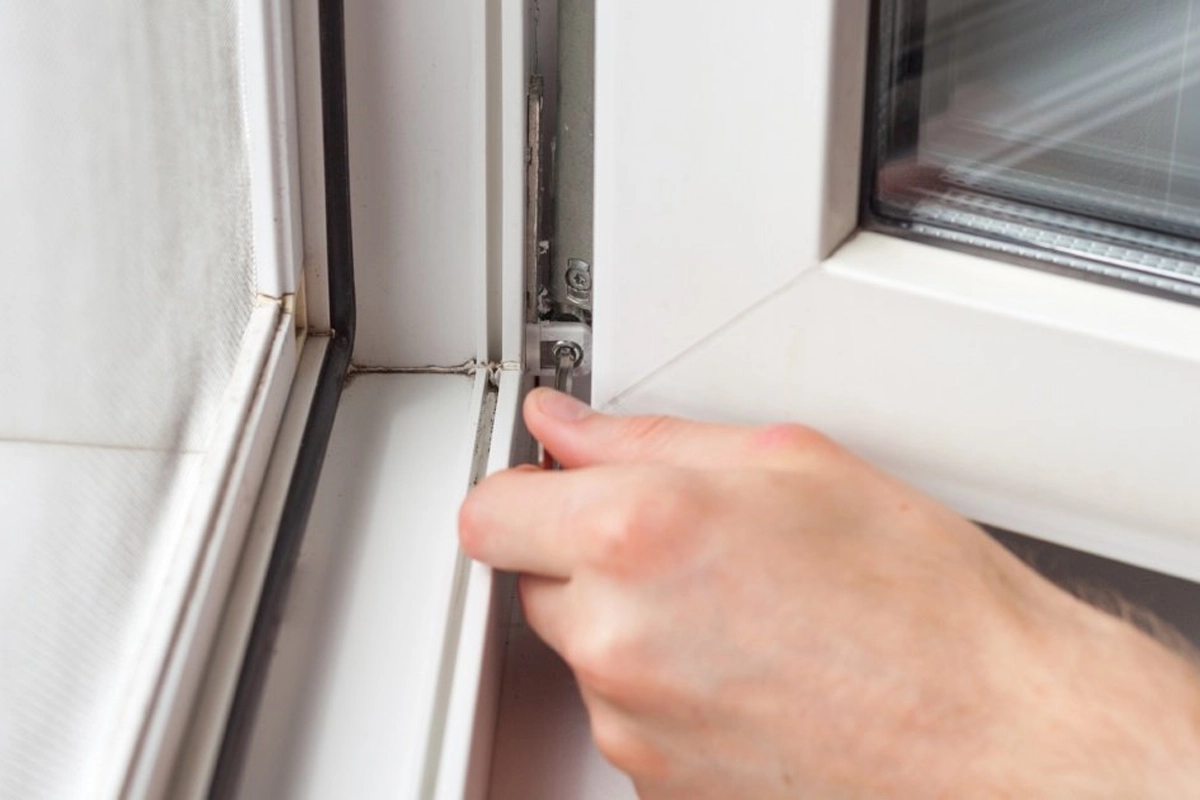
Impact windows are designed for demanding conditions, but impact resistant does not mean maintenance free.
Florida homes expose windows and doors to heat, humidity, wind-driven rain, dust, insects, and—in coastal areas—salt deposits. Over time, those conditions can affect tracks, locks, weatherstripping, finishes, drainage paths, and other moving or exposed components even when the impact glass itself appears fine.
Routine care is especially useful before a tropical system threatens, because the best time to discover a stuck sash, blocked drainage path, damaged lock, or deteriorated weatherstrip is before watches and warnings create a deadline.
This guide explains how Florida homeowners can inspect and maintain impact windows without making unsupported repairs or altering the approved window system.
Important: Always follow the care, maintenance, and warranty instructions for your exact manufacturer and product series. The recommendations below are general planning guidance, not a substitute for product-specific documentation.
Quick answer: do impact windows need maintenance?
Yes. Impact windows are typically designed for durable, long-term service, but their operating parts and surrounding components still need routine inspection and cleaning.
For a practical homeowner check, focus on seven areas:
- Glass condition
- Frames and finishes
- Tracks and sills
- Locks, handles, hinges, and operators
- Weatherstripping and seals
- Drainage and weep systems
- Coastal salt and environmental buildup
The goal is not to disassemble the window. It is to keep the system clean, operable, and easy to inspect while identifying problems that should be evaluated by a qualified professional.
Why maintenance matters for Florida impact windows
A window is a system, not just a pane of impact glass.
Depending on the style, it may include:
- Laminated or insulated impact glazing
- Aluminum or vinyl frames
- Sashes or sliding panels
- Rollers, balances, hinges, or crank operators
- Locks and keepers
- Weatherstripping
- Glazing seals
- Tracks and sills
- Drainage paths or weep systems
- Screens
- Fasteners and installation interfaces
A window may still look strong from across the room while a track is packed with debris, a lock no longer engages correctly, or weatherstripping has become damaged.
That is why routine maintenance should include operation and drainage, not only glass cleaning.
PGT’s current care and maintenance guidance, which also covers products under CGI, PGT, WinDoor, and Eco Window Systems branding, specifically calls for routine cleaning and inspection of frames, hardware, weatherstripping, tracks, sills, and water-drainage systems.
1. Clean the glass without damaging the surface
Start with the simplest task: keep the glass clean enough that you can actually inspect it.
PGT’s current care guide recommends removing surface dirt with clean water and using soft materials rather than abrasive tools. It warns against metal tools, sharp objects, abrasive pads, caustic cleaners, and similar products that can damage window and door surfaces.
For routine homeowner cleaning:
- Remove loose dirt gently before wiping
- Use a soft cloth or other non-abrasive cleaning material
- Follow the manufacturer’s approved glass-cleaning instructions
- Rinse cleaning residue according to the product instructions
- Avoid razor blades, abrasive pads, or harsh solvents unless the manufacturer explicitly approves them for that exact surface
Do not assume every glass cleaner is appropriate for every window
Impact-window systems may include coatings, tints, insulated glass, decorative elements, or other materials with their own cleaning requirements.
When in doubt, use the care guide for the exact product series rather than relying on a generic household-cleaning recommendation.
2. Inspect the glass for changes or damage
Cleaning is also an inspection opportunity.
Look for:
- Cracks or chips
- New scratches or impact marks
- Fogging or moisture between panes on insulated-glass units
- Discoloration around glass edges
- Loose-looking glazing components
- Damage that appeared after a storm, construction work, or an impact event
A visual check cannot certify that a window still meets its original tested performance after damage. If you see cracking, frame distortion, glazing separation, or another significant change, have the unit evaluated rather than assuming the impact rating is unaffected.
If you are not sure whether the windows in your home are actually impact rated, start with our guide on how to tell if windows are impact resistant.
3. Keep tracks and sills free of debris
Tracks are easy to ignore until a window becomes difficult to move.
Dust, sand, insects, pet hair, construction debris, and salt residue can collect where sliding or rolling components operate.
PGT’s care guidance recommends wiping tracks and sills with a damp cloth or using a vacuum to remove dust and dirt.
For a homeowner inspection:
- Open the window normally.
- Look for visible dirt or obstructions in the track.
- Remove loose debris using a method approved by the manufacturer.
- Close and reopen the window.
- Confirm that movement is smooth and that the unit closes fully.
Do not force a window that suddenly binds
A difficult-to-operate sash can result from debris, but it can also indicate roller wear, hardware damage, alignment problems, corrosion, or another issue.
Forcing the window can make the problem worse.
If cleaning the accessible track does not restore normal operation, stop and have the unit inspected.
4. Test every lock before a storm is in the forecast
Locks are not just an everyday security feature. They are part of the window’s normal closed configuration.
Check that:
- The lock engages fully
- The handle or latch is not loose
- The sash reaches the fully closed position
- Multiple locks on the same unit all engage
- Nothing blocks the sash from seating correctly
- The hardware is not visibly bent, cracked, or heavily corroded
Do the same for impact doors and sliding glass doors.
If a lock has to be forced, the answer is not simply to push harder. Misalignment or damaged hardware should be evaluated before severe weather.
For homeowners reviewing all exterior openings, our impact doors vs. regular doors guide explains why door-system documentation and operation matter too.
5. Inspect weatherstripping without pulling it apart
Weatherstripping helps the operating portions of windows and doors seal in their normal closed position.
PGT’s care guide recommends inspecting weatherstrip, cleaning it with a damp cloth or mild soap-and-water solution, rinsing and drying it, and replacing damaged weatherstrip promptly according to the applicable product guidance.
Look for:
- Sections pulling away from the frame
- Torn or missing material
- Brittle or visibly deteriorated sections
- Heavy dirt buildup
- Areas that are pinched or no longer seated normally
Avoid improvised replacement materials
Weatherstripping is product-specific. A strip from a hardware store that happens to fit the gap may not match the original design.
If replacement is needed, identify the manufacturer and product series and use the correct replacement part or service guidance.
6. Keep drainage and weep systems clear
This is one of the most important maintenance items homeowners often overlook.
Many window and sliding-door systems are designed with drainage paths that allow incidental water to move through or out of parts of the frame or sill assembly.
PGT’s care guidance specifically says to routinely inspect and clean water-drainage or weep systems to maintain proper drainage.
That means you should not automatically treat every opening or slot in a window sill as a defect that needs caulk.
Never seal an opening until you know what it does
If you see a small factory opening, slot, or weep path in a frame:
- Do not fill it with caulk simply because it looks open
- Do not modify the frame to make it look more watertight
- Check the manufacturer’s documentation first
- Ask a qualified installer or service professional when you are unsure
Blocking a designed drainage path can interfere with how the product manages water.
If you are seeing actual water intrusion, identify the cause rather than caulking random openings. Water can come from installation interfaces, damaged seals, clogged drainage paths, adjacent construction, or other sources.
7. Treat coastal salt exposure as a separate maintenance issue
Florida’s coastal environment can be harder on exposed metal and finishes than inland conditions.
PGT’s current maintenance guide says its products should be cleaned at least annually at minimum and at least monthly in coastal areas, with more frequent cleaning when environmental conditions require it.
That manufacturer guidance is a useful reminder that one universal cleaning schedule does not fit every Florida home.
A property directly exposed to salt spray may need more frequent attention than an inland house protected from the coast.
For coastal homes, pay extra attention to:
- Salt residue on frames
- Hardware corrosion
- Tracks and rollers
- Fasteners
- Door thresholds
- Screens
- Exterior frame finishes
Use fresh water and cleaning methods approved by the manufacturer rather than aggressive pressure or abrasive scrubbing.
Should you pressure-wash impact windows?
Do not assume a pressure washer is safe for your window system.
PGT’s current care guide specifically lists power washers and garden hoses among items not to use on its windows, screens, doors, or hardware because improper cleaning can damage products or affect warranty coverage.
That does not mean every manufacturer has identical instructions. It means the safest approach is to follow the exact care guide for the product installed in your home.
If your exterior is being pressure-washed, make sure the contractor knows the window and door manufacturer’s restrictions before work begins.
What about lubricating tracks and hardware?
This is another area where generic advice can create problems.
Different products use different rollers, bearings, hinges, operators, finishes, and hardware.
For example, PGT’s care guide states that certain sliding-glass-door wheels use sealed ball-bearing housings and do not need lubrication, while it gives separate lubricant guidance for hinges, thumb turns, and other moving parts.
The takeaway is simple:
Do not spray a general-purpose lubricant into every track, roller, lock, or hinge.
Before applying anything:
- Identify the manufacturer.
- Identify the product series if possible.
- Read the current care and maintenance instructions.
- Use only the lubricant and application method specified for that component.
Excess lubricant can also attract dirt and create a new maintenance problem.
Three things to check before a hurricane warning
If tropical weather may threaten Florida, focus on checks that can be completed safely before conditions deteriorate.
1. Can every window and exterior door close and lock?
Walk the home and operate each accessible opening.
Do not wait until winds begin to discover a sash that will not close or a sliding door lock that no longer engages.
2. Are tracks, sills, and drainage paths visibly clear?
Remove ordinary loose debris using the manufacturer’s approved care method.
Do not dismantle the window or modify drainage openings as a last-minute project.
3. Is there visible damage that needs professional evaluation?
Look for cracked glass, damaged frames, loose hardware, failed locks, significant corrosion, or other obvious changes.
If a storm is already close, do not create a more dangerous situation by attempting complicated repairs outside or removing window components you cannot reinstall correctly.
FEMA hurricane-preparedness guidance emphasizes completing protective actions and evacuation planning before hazardous conditions arrive. Follow local emergency-management instructions and official National Hurricane Center information when a storm threatens.
What maintenance cannot tell you
A maintenance checklist is useful, but it cannot answer every question about an impact window.
Routine inspection cannot by itself prove:
- The exact Florida Product Approval or Miami-Dade NOA
- The design pressure for the installed size and configuration
- Whether the original installation followed the approved details
- Whether anchors inside the wall are correct
- Whether hidden water-management components are intact
- Whether post-impact damage has affected tested performance
- Whether a modification changed the approved assembly
For documentation questions, use product labels, permit records, approval documents, and professional evaluation rather than guessing from appearance.
Our Florida Product Approval guide explains what an FL number can tell you and why the exact approved configuration matters.
When should you call a professional?
Consider professional service when you find:
- Cracked or damaged impact glass
- A window that will not close or lock
- Persistent water intrusion
- Fogging between panes
- Significant frame corrosion or deformation
- Broken balances, operators, hinges, or rollers
- Damaged or missing weatherstripping you cannot identify
- Repeated drainage problems
- Hardware that is loose, broken, or badly corroded
- Evidence that a window or frame was modified
- Damage after a severe storm or impact event
Do not drill, cut, permanently fasten, or modify an impact-window frame simply to make a symptom disappear. Changes to an approved product assembly can create larger performance, warranty, or permitting questions.
A simple Florida impact-window maintenance checklist
Use this as a homeowner-level review, then defer to the exact manufacturer instructions for product-specific work.
Glass
- Clean enough to inspect clearly
- No visible cracks or major chips
- No unexplained fogging between insulated panes
- No new damage after a storm or impact event
Operation
- Each operable sash opens normally
- Each sash closes fully
- Locks engage without excessive force
- Handles and operators feel secure
Tracks and sills
- Loose dirt and debris removed
- No obvious obstruction
- No heavy corrosion buildup
- No improvised screws, wedges, or modifications interfering with movement
Weatherstripping
- Present where expected
- Not visibly torn or missing
- Clean and seated normally
Drainage
- Visible weep/drainage paths are not packed with debris
- Factory openings have not been caulked over without verification
- Persistent water problems are evaluated rather than hidden
Coastal exposure
- Salt deposits cleaned using manufacturer-approved methods
- Exterior hardware checked for corrosion
- Cleaning frequency adjusted for the property’s exposure
Records
- Manufacturer identified
- Product series recorded if available
- Care guide saved
- Warranty documents saved
- Permit/product-approval records stored with home documents
Frequently asked questions
How often should impact windows be cleaned in Florida?
Use the schedule provided by the manufacturer for your exact product and environment. PGT’s current care guide calls for cleaning at least annually under its minimum guidance and at least monthly in coastal areas, with more frequent cleaning when environmental exposure requires it. Other manufacturers may specify different intervals.
Can I pressure-wash impact windows?
Check the manufacturer first. PGT specifically warns against power washers and garden hoses for its products. High-pressure or uncontrolled water can also make it harder to determine whether later water intrusion reflects normal weather exposure or cleaning practices.
Should I lubricate impact-window tracks?
Only when the manufacturer specifies a lubricant and application method for that exact component. Some rollers or bearings are sealed and may not require lubrication, while hinges or other hardware may have separate requirements.
What should I check before a hurricane warning?
Confirm that accessible windows and exterior doors close and lock, remove ordinary debris from tracks and drainage areas using approved methods, and look for visible glass, frame, lock, or hardware damage. Complete household preparedness and evacuation planning before hazardous weather arrives.
Can I caulk the small holes in my window sill?
Not without identifying them first. Some openings are part of the designed drainage or weep system. Blocking them can interfere with drainage. Check the product documentation or ask a qualified professional before sealing factory openings.
Does a cracked impact window still count as hurricane protection?
Do not assume it does. Significant glass, glazing, frame, or hardware damage should be professionally evaluated. The original product approval applies to a tested and approved assembly, not automatically to a damaged or modified condition.
Does maintenance replace a professional inspection?
No. Homeowner maintenance helps keep components clean and identifies visible problems. It does not verify concealed anchors, installation details, design pressure, or the condition of hidden components.
Primary sources
Product-specific guidance can change, so use current manufacturer documentation for the windows and doors installed in your home.
- PGT Windows & Doors — Technical Resources
- PGT / CGI / WinDoor / Eco Window Systems — Care & Maintenance Guide
- FEMA / Ready.gov — How to Prepare for a Hurricane
- National Hurricane Center — Hurricane Preparedness
The bottom line
Impact windows are designed to provide durable protection, but they still benefit from routine care.
For Florida homeowners, the highest-value maintenance tasks are straightforward: keep the glass and frames clean, keep tracks and drainage paths clear, test locks and operation, inspect weatherstripping, watch for coastal corrosion, and investigate damage before severe weather creates urgency.
The most important rule is to avoid generic fixes that ignore the exact product. Do not assume every window should be lubricated the same way, pressure-washed, resealed, drilled, or modified. Use the manufacturer’s current care guide and get professional help when a window will not operate normally or shows significant damage.
If you are evaluating older windows, planning replacements, or trying to document what is currently installed, AA Glass & Windows can help you review the next steps. Explore our impact windows service or request a free estimate to start with a documented project scope.