If you are comparing impact windows or doors in Florida, you may see phrases such as large-missile impact, small-missile impact, TAS 201, ASTM E1886/E1996, or Miami-Dade approval.
Those terms are related, but they are not interchangeable.
The practical point for a homeowner is that an impact label is not a universal “grade.” The exact product approval identifies the tested assembly, allowed sizes, glass, frame, anchors, design pressures, impact classification, and installation conditions.
What is a missile-impact test?
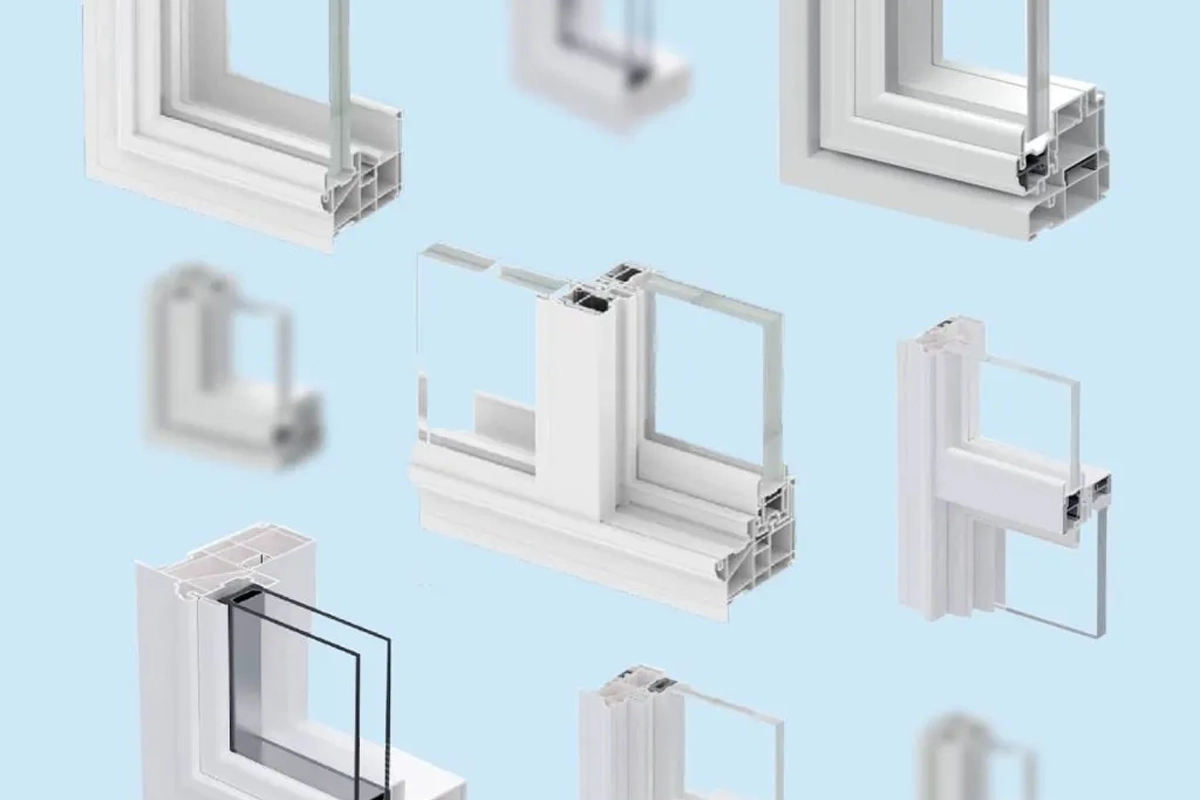
Impact testing evaluates how a complete exterior opening system responds when debris strikes it under the applicable test protocol. The approved assembly can include glass and interlayer, frame, sash or panel, mullions, locks, anchors, substrate, and installation method.
That is why two windows from the same manufacturer can have different approval limits. For a broader explanation, see our guide to Florida Product Approval.
What does “large missile” mean?
In the Florida Building Code’s High-Velocity Hurricane Zone provisions, large-missile testing uses a timber projectile to represent larger wind-borne debris. The code provisions define the projectile, impact speed, locations of impact, and assemblies to which the test applies.
The important takeaway is whether the exact product and configuration has the impact classification required for the project.
What does “small missile” mean?
Small-missile testing uses smaller projectiles intended to represent a different debris exposure. The classification belongs to the tested and approved assembly.
A generic statement such as “hurricane window” does not prove which test was passed. Ask for the approval number and review the actual document.
Is large missile always “better”?
That is not the right way to compare products.
Large- and small-missile categories describe different test conditions and code applications. The correct requirement depends on the building, opening location, code provisions, product approval, and jurisdiction.
Our HVHZ vs Wind-Borne Debris Region guide explains why those geographic terms should not be treated as synonyms.
What should you look for in an approval?
When reviewing a proposed window or door, verify:
- Manufacturer and exact series.
- Approval number and current approval status.
- Impact classification or test references.
- Maximum approved width and height.
- Glass option and glazing details.
- Positive and negative design pressures.
- Frame and sash configuration.
- Anchor type, spacing, edge distance, and substrate.
- Any limitations or conditions of use.
A strong product on paper can still be the wrong product for an opening if its approved size, pressure, or installation conditions do not match the project.
Does impact testing mean the glass cannot crack?
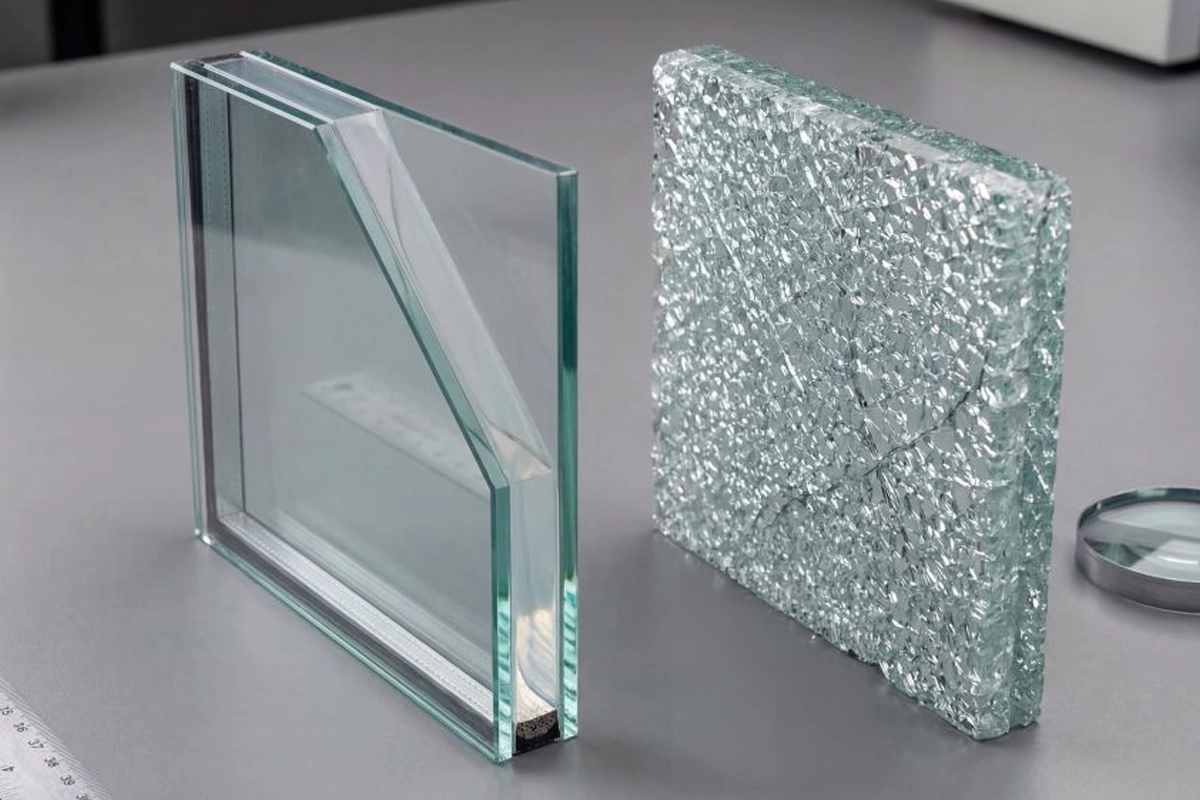
No. Impact-resistant glazing can crack under a severe strike. The system is tested around protecting the opening under the applicable protocol, not around guaranteeing cosmetically undamaged glass.
See Can Impact Windows Break During a Hurricane? for more context.
What about design pressure?
Impact classification and design pressure are related project checks, but they are not the same measurement. Design pressure addresses wind pressure acting on the assembly. Impact testing addresses debris impact and subsequent performance under the applicable protocol.
Our impact-window design pressure guide explains that part of the approval.
Frequently asked questions
Are all Florida impact windows large-missile rated?
Do not assume that. Verify the exact approval, test references, size, glass, and conditions for the proposed product.
Is tempered glass the same as impact glass?
No. Tempered safety glazing and an approved impact-resistant opening system address different requirements. Read our impact windows vs tempered glass guide.
Does a Miami-Dade NOA show the test standard?
The approval documentation identifies the product, approved configurations, limitations, and supporting test information. Review the current document rather than relying on a sales description.
Can I compare products only by missile category?
No. Also compare design pressure, approved dimensions, glass package, frame, energy ratings, hardware, warranty, and installation requirements.
Authoritative sources
- Florida Building Commission — Florida Building Code resources
- Florida Building Commission — Product Approval Search
- Miami-Dade County — Product Control Search
- Miami-Dade County — Windows, Shutters, Doors and Security Bars
The bottom line
“Large missile” and “small missile” are test classifications, not a simple quality ranking.
For a Florida window or door project, verify the exact approved system, applicable test classification, design pressure, size, glass, anchors, substrate, and jurisdiction requirements before ordering.
AA Glass & Windows can help review impact-window and door options for your project. Request a free estimate to get started.