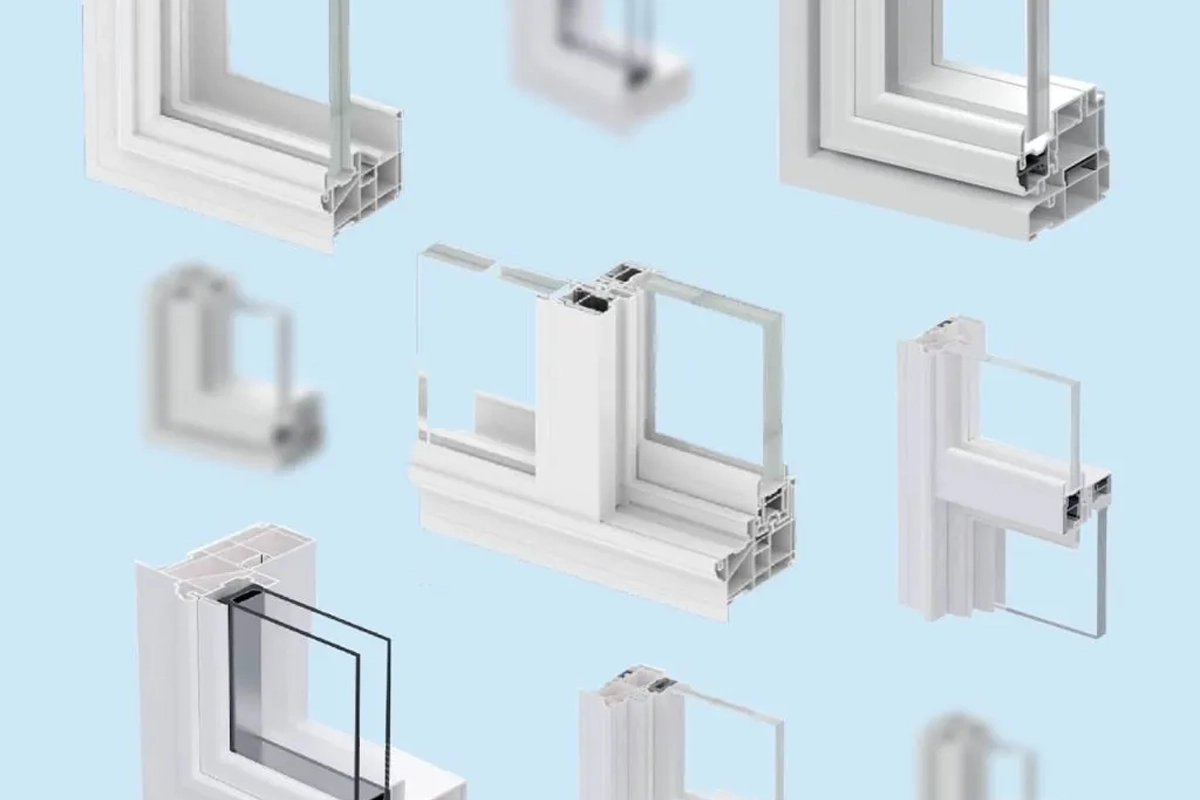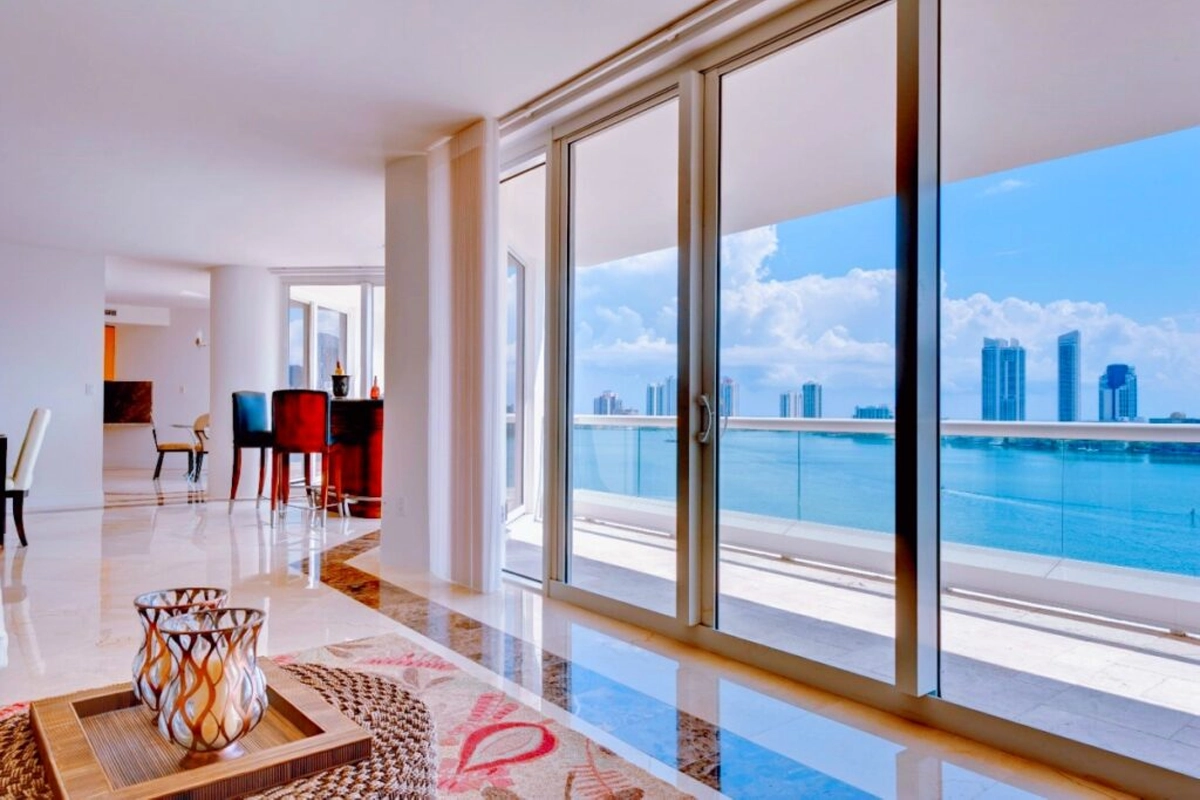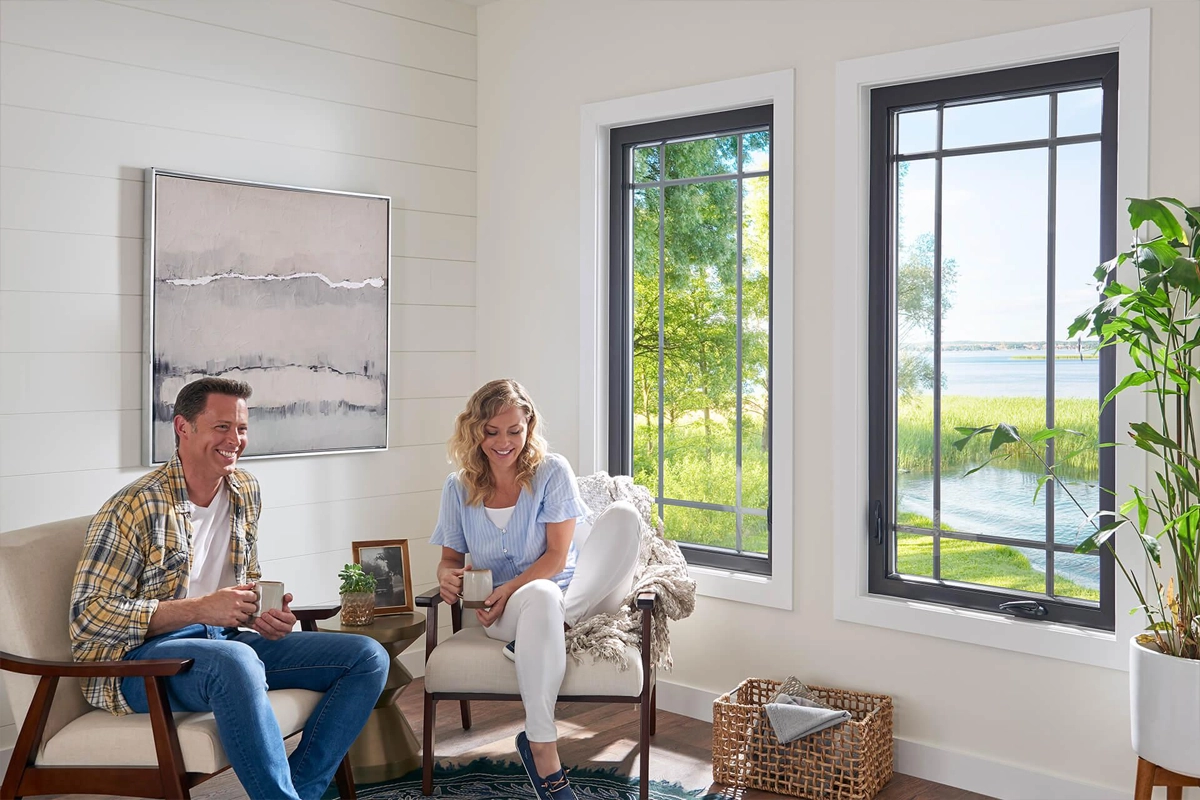
Impact windows and conventional replacement windows can look almost identical after installation. Both can be single-hung, horizontal roller, casement, fixed, architectural, vinyl, aluminum, clear glass, tinted glass, insulated glass, or Low-E glass.
The important difference is not the appearance. It is what the complete window system has been tested and approved to do.
For Florida homeowners, an impact-rated window is not simply a thicker or more expensive version of a regular window. Impact performance involves the glazing, interlayer, frame, hardware, anchors, approved sizes, design pressures, installation conditions, and supporting product documentation.
At the same time, a conventional window is not automatically a bad or illegal product. Depending on the property, project, jurisdiction, and opening-protection strategy, a non-impact window may still be appropriate when it satisfies the applicable requirements and any required wind-borne-debris protection is provided another approved way.
This guide compares impact windows vs. regular windows in Florida without assuming every property has the same code requirement or that every impact window has the same energy, security, acoustic, or warranty performance.
Quick answer: what is the difference between impact windows and regular windows?
An impact window is a window system whose approval documentation confirms impact resistance or wind-borne-debris performance for the conditions listed in that approval.
A regular window is a consumer term, not one official Florida Building Code product category. A conventional replacement window can still be engineered for wind pressure, permitted, energy efficient, attractive, and properly installed. What it should not be assumed to provide is hurricane-impact protection unless the approval documentation specifically supports that claim.
A practical comparison looks like this:
| Comparison point | Impact-rated window | Conventional / non-impact window |
|---|---|---|
| Wind-borne debris performance | Documented when the exact approved configuration is impact resistant | Should not be assumed unless the exact approval says it is impact resistant |
| Glass behavior after a severe strike | Laminated impact glazing is designed to remain held by its interlayer even if glass cracks | Depends on glass type; ordinary or tempered glazing does not become hurricane-impact glazing simply because it is strong |
| Wind/design pressure | Must match the approval and project-specific pressure requirements | Also must satisfy applicable pressure requirements for the project |
| Product approval | Approval should identify exact use conditions, including impact status where applicable | Windows can still require Florida Product Approval even when they are not impact rated |
| Storm preparation | Approved impact protection is permanently installed at that opening | A separate approved shutter/panel system may be needed where debris protection is required |
| Energy efficiency | Depends on exact glass package, frame and ratings | Also depends on exact product; impact rating is not an energy rating |
| Security | Laminated impact glazing can add resistance to penetration | Security varies widely by glass, locks, frame, hardware and installation |
| Noise | Laminated glass can help with sound control, but results vary by assembly | Some conventional insulated or laminated products can also perform well acoustically |
| Upfront cost | Often higher because of glazing, testing, reinforced components and installation requirements | Can be lower, but cost varies by style, glass, frame and scope |
| Maintenance | Still requires normal cleaning and component care | Also requires maintenance; neither category is maintenance free |
The table is a planning summary. The exact product approval, permit documents, manufacturer instructions, and project conditions control the real comparison.
1. “Impact” is a documented performance claim
Florida law treats hurricane, windstorm, and impact-protection marketing as more than advertising language.
Florida Statute §553.842 establishes the statewide product-evaluation and approval system and specifically includes windows, exterior doors, shutters, and impact protective systems among the product categories that require approved evaluation methods.
The same statute says a product may not be advertised or marketed as hurricane, windstorm, or impact protection from wind-borne debris unless it has the required approval.
That makes one buyer rule especially important:
Do not buy an impact window based only on a brand name, salesperson statement, laminated-looking glass, or a sticker that says “hurricane.” Verify the exact approval for the exact product and configuration.
The Florida Building Commission Product Approval database allows homeowners, contractors, designers, and building officials to review the current approval record and supporting documents.
2. A conventional window can still need product approval
One common misconception is that only impact windows need Florida Product Approval.
That is not correct.
Windows are one of the product categories covered by Florida’s statewide approval framework. A non-impact replacement window can still need product approval and still needs to satisfy the requirements that apply to the project.
So the correct distinction is not:
- impact window = approved
- regular window = unapproved
A better distinction is:
- impact-rated window = approval documentation confirms impact resistance for listed conditions
- conventional/non-impact window = may still be an approved window product, but hurricane-impact protection should not be assumed
If you want to understand how to read FL numbers, impact status, HVHZ fields, design pressures, and limits of use, see our guide to Florida Product Approval.
3. Impact glass can crack without meaning the system failed automatically
Homeowners sometimes expect impact glass to behave like an indestructible transparent wall.
That is not how laminated impact glazing should be understood.
Current manufacturer documentation from PGT describes impact-resistant laminated glass as glass layers bonded by a strong interlayer. Under a severe strike, the glass can crack while the interlayer continues holding broken pieces together and helps prevent an open breach.
That is very different from assuming the glass will never show damage.
A conventional window may use many types of glazing, including:
- Annealed glass
- Tempered safety glass
- Insulated glass
- Laminated glass
- Tinted glass
- Low-E glass
None of those labels by itself proves hurricane-impact approval for the complete window assembly.
If you already have windows and are unsure what they are, our guide on how to tell if windows are impact resistant explains how to use labels, permit records, FL approvals and other documentation instead of guessing from appearance.
4. The frame and anchors matter as much as the glass
Impact protection belongs to a system, not just a pane of glass.
The approved assembly can depend on:
- Window frame
- Sash or vent
- Laminated glass make-up
- Glazing method
- Mullions
- Locks and hardware
- Anchors and fasteners
- Substrate
- Fastener spacing
- Edge distances
- Maximum opening size
- Installation method
Miami-Dade County’s product-testing guidance is especially useful here: it explains that for impact windows, the tested mounting and fastening system is part of the approved configuration and that impact-window analysis is constrained by the pressures actually established through testing.
That is why installing impact glass into an ordinary frame does not automatically create an approved impact window.
5. Impact resistance and design pressure are not the same thing
A window can be impact resistant and still be wrong for a particular opening.
Impact testing addresses debris-related performance. Design pressure addresses the wind pressure the window assembly must resist under the project conditions.
A product approval can include limits involving:
- Positive pressure
- Negative pressure
- Maximum width and height
- Window type
- Glass option
- Frame configuration
- Mullions
- Anchoring
- Substrate
- HVHZ use
- Installation conditions
The correct window is therefore not simply “impact” or “non-impact.” It must also be appropriate for the opening where it will be installed.
This is one of the reasons AA Glass & Windows recommends comparing exact product documentation rather than choosing only by brochure, price, or brand.
6. Florida’s current code and approval version matters
As of September 2026, the Florida Building Commission identifies the Florida Building Code, 8th Edition (2023) as the current code, effective December 31, 2023.
The current Florida Product Approval search also identifies the 2023 Florida Building Code as the active code version for product searches.
Florida is working through its 2026 code-update process, but homeowners should not assume a future code edition is already effective. A project should be evaluated under the code and permitting rules that actually apply when the permit is processed.
7. Miami-Dade replacement projects require detailed product documentation
Miami-Dade County’s current replacement-window guidance requires product approval information for the windows, glass doors, and mullions being replaced.
The County asks for details including:
- Window sizes
- Product approval numbers
- Relevant NOA or Florida Building Commission approval information
- Glass type and thickness
- Mullion information where applicable
That is a useful reminder for homeowners throughout Florida: the permit process is about an exact product and exact opening, not just the generic statement that the homeowner purchased “impact windows.”
8. A regular window plus approved shutters can still be a legitimate strategy
Impact windows are not the only possible opening-protection strategy in every Florida project.
Where project-specific rules allow it, a conventional glazed opening can sometimes be protected using an approved shutter, panel, or other impact-protective system.
That creates a practical choice between:
Permanent impact protection
The impact-resistant window itself provides the documented protection for that approved opening, so there is no separate covering to retrieve and install before each storm.
Deployable protection
The window can remain a conventional unit while an approved shutter or panel protects the opening when needed.
The right answer depends on code requirements, budget, storage, physical ability to deploy protection, travel patterns, architecture, maintenance, and homeowner preference.
Our impact windows vs. hurricane shutters guide compares those two strategies in more detail.
9. Do not assume every Florida home is legally required to use impact windows
Florida’s hurricane requirements are more nuanced than “impact windows are mandatory everywhere.”
The relevant questions can include:
- Where the property is located
- Whether the opening is in a wind-borne-debris region
- Whether the property is in the High-Velocity Hurricane Zone
- Whether the work is new construction, replacement, alteration, or repair
- What opening-protection method is proposed
- Which code edition applies
- What the local building official requires for the permit
If you are deciding whether your project specifically requires impact glazing, start with our guide Are Impact Windows Required in Florida?.
10. Energy efficiency is a separate comparison
Impact resistance does not automatically mean a window has excellent energy performance.
The U.S. Department of Energy recommends comparing the complete window’s energy-related characteristics, including the frame, glazing, gas fills, spacers, and operation type, and points consumers to NFRC ratings for whole-window comparison.
Important energy metrics include:
- U-factor — heat transfer through the window
- Solar Heat Gain Coefficient (SHGC) — how much solar heat passes through
- Visible Transmittance (VT) — how much visible light passes through
- Air Leakage (AL) — air movement through the tested product
An impact window with laminated insulating glass and Low-E coatings can perform very differently from a basic laminated impact configuration.
A high-performance conventional window can also have strong energy ratings while providing no hurricane-impact protection.
The two questions should therefore be separated:
- Does the product have the required impact/wind approval for the project?
- Does the exact product have the energy performance you want?
See our impact-window energy-efficiency guide for a deeper explanation.
11. Security can improve, but impact windows are not “burglar proof”
Laminated impact glass can make an opening harder to penetrate than ordinary glass because broken pieces can remain bonded to the interlayer.
That is a real practical difference, but it should not be converted into an unlimited security promise.
Security still depends on the whole opening:
- Frame
- Locks
- Keepers
- Hardware
- Anchoring
- Window style
- Adjacent doors or sidelites
- Installation quality
A conventional window can also use security-oriented hardware or laminated glass. If forced-entry resistance is important, ask for the documentation that addresses that performance rather than assuming the impact label answers every security question.
12. Noise reduction is not identical across all impact windows
Laminated glass can help reduce some outdoor sound, which is one reason impact windows are attractive near traffic, airports, busy streets, schools, and commercial areas.
But acoustic performance varies with:
- Glass thickness
- Laminated interlayer
- Insulating air space
- Pane asymmetry
- Frame
- Window size
- Weatherstripping
- Installation gaps
- Surrounding wall construction
Do not assume every impact product provides the same sound reduction.
If noise is a primary buying goal, compare acoustic data for the exact proposed configuration.
13. Impact windows often cost more, but generic price multipliers are unreliable
It is reasonable for many impact-window projects to cost more upfront than a basic conventional replacement because impact systems can involve specialized laminated glazing, reinforced components, testing, product approvals, and more demanding installation conditions.
But there is no responsible universal statement such as “impact windows always cost twice as much.”
Project cost can change based on:
- Opening size and quantity
- Window style
- Aluminum vs. vinyl frame
- Fixed vs. operable units
- Laminated vs. laminated-insulating glass
- Low-E or tint options
- Design pressure
- HVHZ requirements
- Mullions
- Structural opening repairs
- Stucco, drywall or paint work
- Access and elevation
- Permit requirements
- HOA or condominium review
- Product availability
Compare the complete permitted installed scope, not one advertised per-window number.
For project-budget planning, see our Florida impact-window cost guide.
14. Insurance savings should never be assumed from the word “impact”
Impact windows can contribute to documented opening protection for wind-mitigation purposes, but a homeowner should not assume a specific insurance discount from the product label alone.
Insurance outcomes can depend on the carrier, rating plan, inspection, documentation, protection of other openings, roof characteristics, property details, and the wind portion of the premium.
If insurance is part of the buying decision, review our Florida impact-window insurance guide and confirm property-specific treatment with the licensed insurance agent or carrier.
15. Maintenance still matters after an impact-window upgrade
Impact resistant does not mean maintenance free.
Tracks, locks, weatherstripping, drainage paths, glass, frame finishes, hardware, and coastal salt exposure still deserve routine care.
Avoid making unverified modifications to an approved impact system. Drilling, cutting, adding films, changing hardware, blocking drainage openings, or using incompatible chemicals can affect operation, finish, warranty coverage, or the approved assembly.
Our impact-window maintenance guide explains what homeowners can inspect and clean without treating the window as a DIY structural system.
16. Warranty terms can differ substantially between impact products
The word “impact” does not create one universal warranty.
Before buying, review the exact written warranty for:
- Frame and finish
- Glass
- Insulated-glass seal
- Hardware
- Labor
- Registration
- Transferability
- Coastal exclusions
- Maintenance obligations
- Aftermarket film or coatings
- Storm or impact damage
- Claim procedure
Our Florida impact-window warranty guide explains how to compare those terms before signing a contract.
17. When impact windows are often the stronger fit
Impact-rated windows can be especially attractive when the homeowner wants:
- Permanent storm protection at the opening
- Less pre-storm shutter deployment
- Documented impact performance
- A coordinated whole-home mitigation project
- Laminated glazing as an additional security layer
- New windows and storm protection in one project
- A cleaner exterior without permanently visible shutter systems
They can also make sense for seasonal homes or properties where the owner may not be present to deploy shutters before a storm.
18. When conventional windows may still make sense
A conventional replacement window can still be a rational choice when:
- Impact protection is not required for the specific opening/project
- An approved shutter or panel system will provide required debris protection
- The homeowner already owns a complete maintained shutter system
- Budget requires a phased approach
- Architectural constraints limit available impact configurations
- The project professional or building official confirms another compliant solution
The key is to choose a documented strategy, not to assume every strong-looking replacement window provides hurricane protection.
A homeowner comparison checklist
Before choosing between impact and conventional windows, ask the contractor to identify:
Product documentation
- Manufacturer
- Exact product series
- Florida Product Approval or applicable NOA
- Impact-resistant status
- HVHZ status when relevant
- Positive and negative design pressures
- Maximum approved sizes
- Approved glass option
Installation
- Required anchors and fasteners
- Substrate assumptions
- Mullions where applicable
- Permit responsibility
- Inspection requirements
- Interior/exterior finish scope
Performance
- U-factor
- SHGC
- Air leakage data when available
- Acoustic data if noise is important
- Warranty terms
Storm strategy
- Is the window itself the approved debris protection?
- If not, what approved shutter or panel protects the opening?
- Is that shutter/panel complete, maintained and realistically deployable?
Frequently asked questions
Are impact windows stronger than regular windows?
They are tested and approved for specific impact and wind-performance conditions that conventional non-impact windows should not be assumed to meet. The exact performance still depends on the approved product, size, configuration, design pressure and installation.
Can impact windows break?
Yes. Laminated impact glass can crack under a severe strike. The important design concept is that the interlayer can continue holding the cracked glass together and help prevent the opening from becoming an unprotected breach. “Impact resistant” does not mean “unbreakable.”
Are double-pane windows impact windows?
Not automatically. Double-pane describes an insulated-glass configuration. Hurricane-impact status must be verified through the exact product approval and approved glass construction.
Is tempered glass the same as impact glass?
No. Tempered safety glass is designed to break into smaller pieces when fractured. Hurricane-impact protection is a separate tested performance requirement for the approved window system.
Do impact windows need shutters?
An approved impact-resistant window can serve as the permanent impact protection for that opening when it is used within its approval and satisfies the project requirements. A project professional or building official should confirm the exact application.
Are impact windows required everywhere in Florida?
No. Requirements depend on the property’s location, project scope, wind-borne-debris conditions, applicable code, and proposed opening-protection method. Impact windows are one solution; approved impact-resistant coverings may be another in some projects.
Are impact windows more energy efficient than regular windows?
Not automatically. Energy performance depends on the exact glass package, frame, Low-E coatings, insulating glass, gas fills and tested NFRC ratings. Impact resistance and energy efficiency should be compared separately.
Do impact windows lower homeowners insurance?
They may contribute to wind-mitigation credits when the installation and opening protection are properly documented, but the actual premium effect is property- and carrier-specific. Never assume a guaranteed percentage or dollar savings.
What should I request before buying impact windows?
Ask for the exact manufacturer and series, product approval number, impact status, HVHZ status when relevant, design pressures, approved size/configuration, glass option, installation requirements, energy ratings, warranty and complete permitted installation scope.
Official and technical sources
Use primary sources when verifying a proposed window:
- 2026 Florida Statutes §553.842 — Product evaluation and approval
- Florida Building Commission — Product Approval Search
- Florida Building Commission — current code information
- Miami-Dade County — Windows, Shutters, Doors and Security Bars
- Miami-Dade County — Product Testing Inquiries
- U.S. Department of Energy — Window Types and Technologies
- PGT Windows & Doors — Hurricane Guide
The bottom line
The meaningful difference between impact windows and regular windows in Florida is documented system performance.
An impact window should have approval documentation supporting impact resistance, pressure performance, size, glass, anchoring, and installation conditions. A conventional window can still be a properly approved and high-quality replacement product, but hurricane-impact protection should never be assumed unless the exact documentation says so.
For many Florida homeowners, permanent impact windows are attractive because they combine window replacement and built-in storm protection in one project. For others, conventional windows plus an approved shutter strategy may remain appropriate.
The best decision is the one that matches the opening, code requirements, budget, energy goals, storm-preparation plan, and verified product documentation.
Explore our impact window services or request a free estimate to compare the right options for your property.