There is no single age at which every Florida window must be replaced.
A well-maintained window can remain useful for many years, while a younger window can need attention after storm damage, installation problems, seal failure, corrosion, or unavailable parts.
The better question is: what condition is the window in, and does it still meet the needs of the opening?
Here are the signs worth evaluating before deciding between maintenance, repair, and replacement.
1. The window no longer opens, closes, or locks correctly
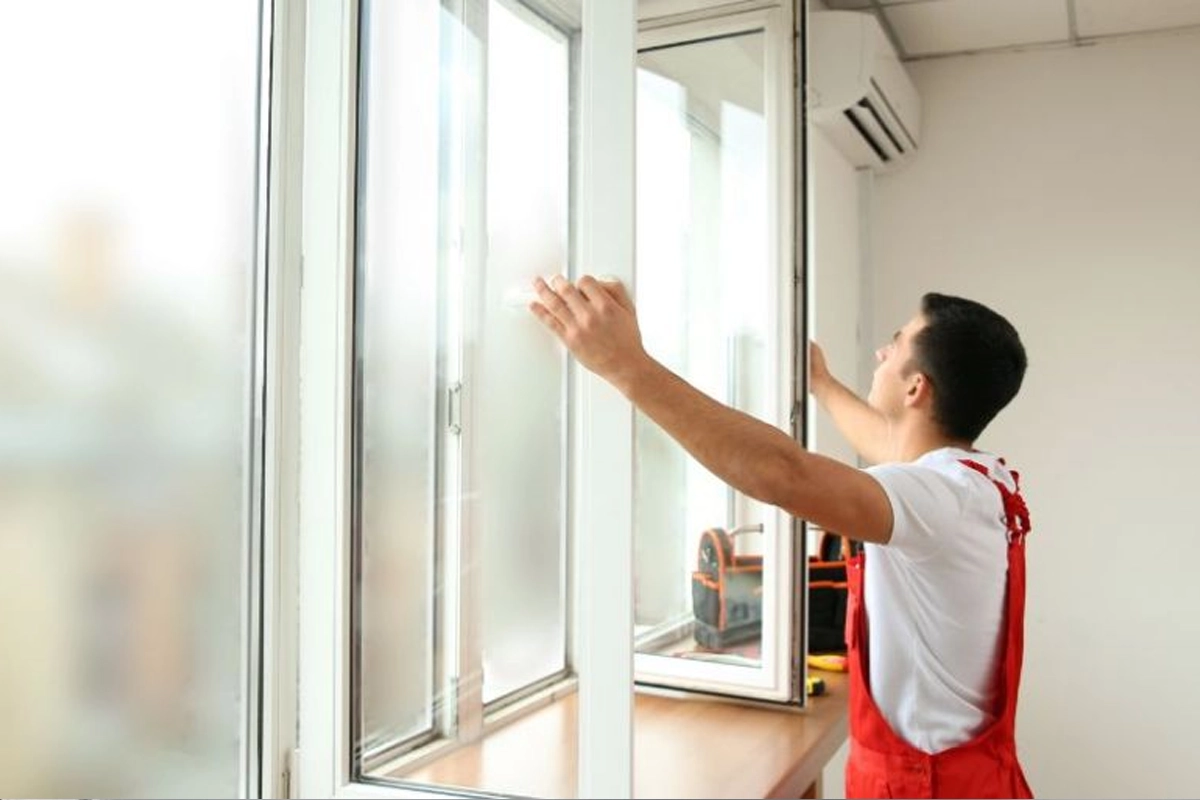
Operation problems are one of the clearest reasons to investigate.
Look for:
- Sashes that bind
- Rollers that drag
- Locks that do not engage
- Operators that slip
- Frames that appear out of square
- Doors or windows that require unusual force
Some problems can be repaired with the correct product-specific parts or adjustment. Others can indicate wear, corrosion, frame damage, or obsolete components.
Our guide to repairing impact windows explains how to separate serviceable parts from broader replacement decisions.
2. There is fogging between panes
Condensation on an exposed glass surface is different from moisture inside a sealed insulating-glass unit.
If haze, droplets, or film are trapped between panes and cannot be wiped from either side, the insulating glass may need evaluation.
That does not automatically mean the entire frame must be replaced, but it is a reason to identify the manufacturer, series, warranty, and available glazing-service options.
Read our condensation and fogging guide for the distinction.
3. The glass is cracked or storm damaged
Impact glass can crack.
If an impact window has been struck by debris or has meaningful glass damage, do not assume that the opening is ready for another storm simply because the laminate remains together.
Document the condition and have the exact product evaluated.
Depending on the system, replacement glazing may be possible, or a larger repair may be appropriate.
4. The frame is damaged, corroded, or distorted
Frame condition matters because the glass is only one part of a window system.
Pay attention to:
- Corrosion
- Cracks
- Bent members
- Separation at corners
- Damaged anchorage areas
- Persistent alignment problems
- Deteriorated finishes
Coastal exposure can be especially demanding on hardware and finishes.
Follow manufacturer maintenance guidance and address deterioration before it progresses.
5. Water repeatedly appears around the opening
Water near a window can come from several sources:
- Condensation
- Drainage/weep issues
- Sealant
- Installation
- Surrounding wall
- Stucco
- Roof or balcony conditions
- The window itself
Do not assume every wet sill means the window needs replacement.
Repeated water intrusion deserves diagnosis so the actual source is corrected. Replacing a glass unit will not solve a wall or waterproofing problem.
6. Replacement parts are no longer available
Older windows can become difficult to service when:
- Manufacturers discontinue a product
- Hardware changes
- Balances or operators are unavailable
- Glazing components are obsolete
- Previous modifications make identification difficult
At some point, repeated custom repairs can become less practical than replacing the opening with a current approved system.
7. The existing windows do not match current project goals
Replacement is not always driven by failure.
Homeowners also replace windows because they want:
- Permanent impact protection
- Different operating styles
- Better documented energy performance
- New glass or Low-E options
- Updated appearance
- Reduced maintenance
- Easier operation
- A coordinated whole-home project
Those are planning decisions, not evidence that the old window is defective.
8. You cannot verify what is installed
If you bought a home with unknown windows, identify them before assuming they are impact rated.
Look for:
- Labels
- Etching
- Manufacturer names
- Permit records
- Product approval documents
- Invoices
- Wind-mitigation records
Our guide to telling whether windows are impact resistant can help organize the search.
If the product cannot be verified and hurricane protection is a key goal, a professional evaluation can clarify the options.
9. A remodeling project changes the opening requirements
A renovation can affect window decisions even if the existing unit still functions.
Examples include:
- Changing opening size
- Bedroom reconfiguration
- Wall alterations
- New exterior finishes
- Converting spaces
- Adding structural components
- Coordinating doors and windows
Those changes can trigger code, permit, egress, energy, or design considerations that should be reviewed as part of the overall project.
Should you replace every window at once?
Not necessarily.
A whole-home replacement can create consistent products, finishes, documentation, and opening protection, but phasing can make sense for budget or construction reasons.
If you phase a project, keep clear records of which openings were completed and what remains.
Our guide to replacing windows all at once or in stages covers those tradeoffs.
Should age alone decide?
No.
Avoid universal statements such as “all windows must be replaced after 20 years.”
Service life depends on product, installation, exposure, maintenance, hardware, glass, usage, storms, corrosion, and parts availability.
Condition and project goals are more useful than a generic age threshold.
Frequently asked questions
How old is too old for windows in Florida?
There is no universal replacement age. Evaluate condition, operation, glass, frame, seals, parts availability, documentation, and project needs.
Does fogging mean I need completely new windows?
Not always. Between-pane fogging can involve the insulating glass unit. Identify the product and available service options before assuming the entire frame must be replaced.
Should I replace a cracked impact window?
Have it evaluated. Depending on the product and damage, correct replacement glazing may be possible, or the entire unit may need replacement.
Are hard-to-open windows dangerous?
A window that no longer operates normally can create usability and, in some rooms, emergency-escape concerns. It should be evaluated rather than ignored.
Do old non-impact windows have to be replaced?
Not solely because they are old. But homeowners may choose replacement for impact protection, energy performance, operation, appearance, or renovation goals.
Should I replace all windows before hurricane season?
Do not base a major project on a fear-driven deadline. Plan based on product availability, permits, project scope, and your long-term protection strategy.
Authoritative sources
- U.S. Department of Energy — Window Types and Technologies
- Florida Statutes §553.842 — Product evaluation and approval
- Florida Building Commission — Product Approval Search
- Miami-Dade County — Windows, Shutters, Doors and Security Bars
The bottom line
Replace windows when condition, performance, documentation, repairability, or project goals justify the change—not because of an arbitrary age rule.
Start by identifying the exact problem. Then compare maintenance, repair, and approved replacement options for the specific opening.
AA Glass & Windows can help you evaluate replacement options for aging or damaged Florida windows and doors. Request a free estimate to review your project.