If you live in Florida, you have probably heard the terms impact windows, hurricane windows, and impact-resistant glass used almost interchangeably.
The basic idea is simple: an impact window is a window system designed and approved to resist windborne-debris impact and the pressure demands associated with severe wind conditions when used within the limits of its tested and approved configuration.
But the important word is system.
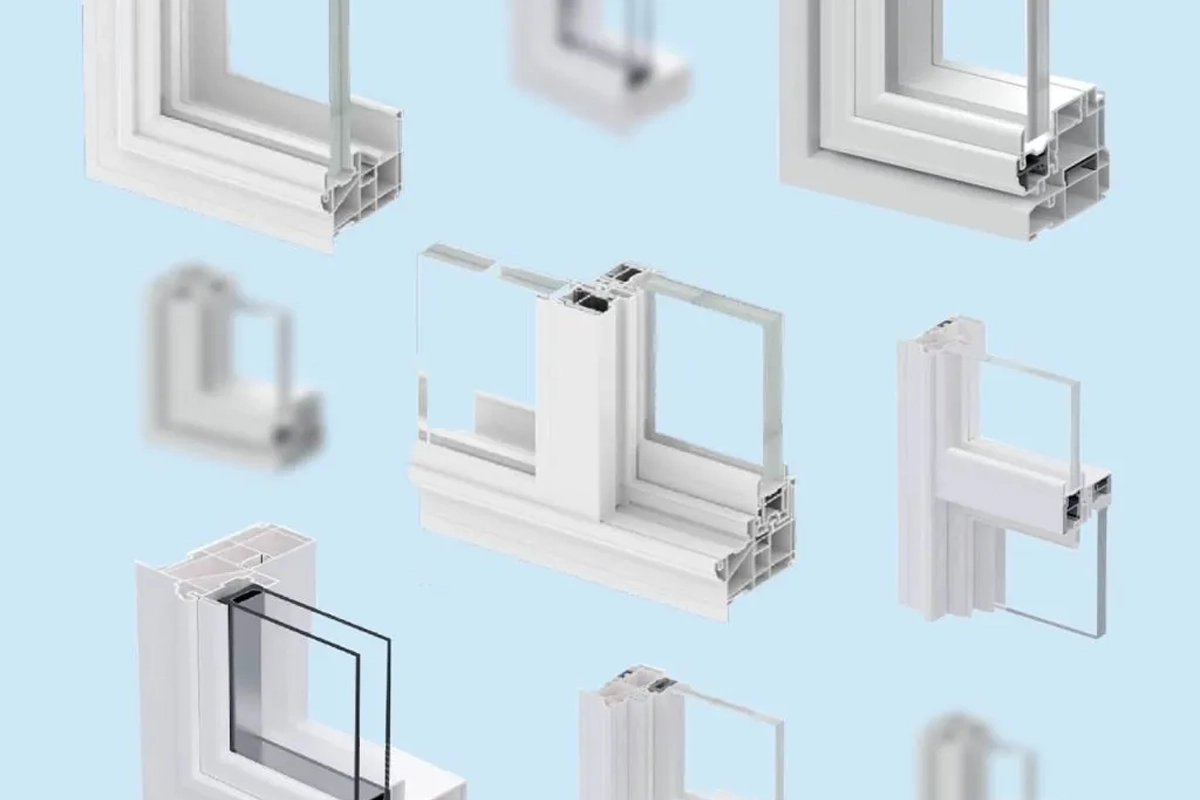
An impact window is not just a thicker piece of glass. Its performance depends on the glazing, frame, sash, locks, mullions where applicable, anchors, approved size and configuration, substrate, installation method, and the product approval that documents how those pieces work together.
That distinction matters in Florida because state law regulates products marketed as hurricane, windstorm, or impact protection. Homeowners should verify the exact approval and installation conditions rather than relying only on a label such as “hurricane proof.”
This guide explains what impact windows are, how they work, what the testing is intended to demonstrate, and what to verify before you order them.
Quick answer: what are impact windows?
Impact windows are tested window assemblies designed to resist windborne debris and wind pressure when installed according to their approved configuration.
Many impact-window systems use laminated glass, which commonly consists of glass plies bonded to a strong transparent interlayer. If the glass is struck hard enough, it may crack, but the laminated construction is intended to help keep broken glass together and resist creating a large opening in the building envelope.
The glass alone is not the complete protection system. The frame, sash, locks, fasteners, mullions, and connection to the building also matter.
For Florida projects, the practical question is not simply, “Is this impact glass?” It is:
What exact window system is approved for this opening, and will it be installed within the limitations of that approval?
What makes an impact window different from a regular window?
A standard replacement window can be a high-quality product and still not be impact rated.
Impact resistance is a specific performance characteristic that must be supported by testing, engineering documentation, and an applicable product approval.
An approved impact window typically differs from a non-impact window in several ways:
- The glazing is designed to resist windborne-debris impact.
- The frame and sash are engineered as part of the tested assembly.
- Locks, keepers, operators, and reinforcing components must match the approved configuration.
- Anchors and fastening patterns are documented.
- Maximum sizes and product configurations are limited by the approval.
- Positive and negative design-pressure limits are documented.
- The assembly must satisfy the applicable impact and pressure requirements for its intended use.
For a direct side-by-side comparison, read our guide to impact windows vs. regular windows in Florida.
How does impact-resistant glass work?
Many impact windows use laminated glass.
Laminated glazing is built by bonding layers of glass to an interlayer. The exact glass thickness, interlayer material, number of layers, coatings, insulated-glass construction, and other details vary by manufacturer and product series.
The key concept is that laminated glazing behaves differently from ordinary monolithic glass when it breaks.
A strong impact can still crack the glass. Impact windows should not be described as unbreakable.
Instead, the laminated construction is designed so the cracked glazing can remain held together rather than immediately falling out and leaving a large open hole.
That matters because a major breach in an exterior opening can allow wind and rain into the building and change the pressure conditions acting on the structure.
The interlayer is only one part of the system
It is easy to focus on the laminated glass because that is the visible difference, but the frame and anchorage are just as important.
A strong piece of laminated glass installed in a weak or unapproved frame is not automatically an approved impact window.
Likewise, an approved window installed with the wrong anchors, wrong spacing, wrong substrate, or outside its approved size limits may not match the tested configuration.
That is why Florida homeowners should evaluate the complete approval, not only the glass specification.
How are impact windows tested?
Testing depends on the approval path, jurisdiction, product type, and applicable standard.
In Miami-Dade County’s High Velocity Hurricane Zone framework, product testing can involve separate procedures for:
- Impact resistance
- Structural load
- Air infiltration
- Water infiltration
- Cyclic pressure loading
- Forced-entry testing for applicable operable products
Miami-Dade’s Product Testing Inquiries also makes an important point about installation: the anchoring system used during testing becomes part of the approved configuration and must be shown in the approved drawings.
For statewide Florida approvals, the approval documentation may reference standards such as ASTM E1886 and ASTM E1996 or other code-recognized methods depending on the product and approval.
The homeowner takeaway is simple: there is no single universal impact-window specification that applies to every product and every opening.
The exact approval tells you what was tested, the maximum sizes, pressure limits, anchoring conditions, approved substrates, impact status, and other limitations.
What do large-missile and small-missile impact ratings mean?
Impact requirements can differ based on the applicable code conditions and elevation.
Testing standards distinguish between different windborne-debris impact categories. You may see terms such as large missile and small missile in product documentation.
Those labels refer to defined test procedures. They are not marketing grades such as “good,” “better,” and “best.”
A homeowner should not select a product by choosing the most dramatic-sounding test label. The correct product is the one whose approval and tested configuration satisfy the requirements for the specific opening and project.
If you are unsure what the approval document says, ask the contractor to identify the exact product approval number and the page or table that applies to your proposed size and configuration.
What is Florida Product Approval?
Florida maintains a statewide product-evaluation and approval system for categories that include windows, exterior doors, shutters, and impact protective systems.
Under Florida Statute §553.842, products in these categories must use an approved evaluation path before use as required by the statute, and a product may not be marketed as hurricane, windstorm, or impact protection from windborne debris unless it has the required approval.
A Florida Product Approval generally includes or links to technical documentation that can identify:
- Product series
- Impact or non-impact status
- Approved sizes
- Design-pressure limits
- Glazing options
- Mullion conditions
- Installation methods
- Anchor type and spacing
- Substrate requirements
- Limitations of use
- HVHZ eligibility where applicable
Our detailed guide to Florida Product Approval for impact windows and doors explains how to read those documents.
What is a Miami-Dade NOA?
Miami-Dade County’s Product Control Section reviews products and systems used to protect the building envelope, including windows, exterior glazing, exterior doors, skylights, and shutters.
A Notice of Acceptance, commonly called a Miami-Dade NOA, is a Miami-Dade product approval document issued through that process.
The Product Control Section reviews technical documentation such as tests, engineering analysis, installation procedures, and quality-assurance information.
For homeowners, the important point is not that an NOA is a brand-quality badge. It is a technical approval document with specific conditions and limitations.
A product name alone is not enough. Verify the current approval for the exact series and configuration being proposed.
Are “impact windows” and “hurricane windows” the same thing?
In everyday marketing, the terms are often used to describe the same general category of storm-resistant window.
Technically, homeowners should rely on the product approval rather than the marketing term.
A window called a “hurricane window” in an advertisement is only useful for your project if the exact product and configuration have the approvals and performance limits required for the opening.
Florida law is especially relevant here because §553.842 restricts marketing products as hurricane, windstorm, or impact protection from windborne debris without the required approval.
So instead of asking whether a product is “hurricane proof,” ask for the approval number.
Are double-pane windows automatically impact resistant?
No.
Double pane describes a glazing construction in which two glass panes are separated by a sealed space. That arrangement is commonly used for energy performance, but it does not by itself establish impact resistance.
An impact window can be built as an insulated glass unit, and a non-impact window can also be double pane.
Impact performance and energy performance are separate characteristics.
For energy-related comparisons, see our guide to impact-window energy efficiency in Florida.
Are impact windows bulletproof?
No assumption should be made that a hurricane-impact rating provides ballistic protection.
Windborne-debris impact testing and ballistic-resistance testing are different performance categories with different standards and test methods.
If ballistic resistance is required for a specific property, the product must have documentation for that specific performance. A Florida impact-window approval by itself is not proof of bullet resistance.
How strong are impact windows?
There is no honest universal answer in miles per hour.
Impact-window strength depends on the exact product, size, configuration, design pressure, anchorage, substrate, building height, exposure, location of the opening on the structure, and other project conditions.
That is why statements such as “this window withstands a Category 5 hurricane” can be misleading when they are not tied to a specific approved configuration and engineering basis.
A better comparison is:
- What is the exact product approval?
- Is it impact rated for the required application?
- What positive and negative design pressures apply to this opening?
- Is the proposed size within the approved limits?
- What anchoring method and substrate are required?
- Does the proposed installation match the approval?
Our guide to impact-window design pressure in Florida explains why a single DP number cannot be translated into one universal hurricane category.
Do impact windows eliminate the need for shutters?
An approved impact window can serve as permanent opening protection when the exact product and installation satisfy the applicable project requirements.
That can remove the need to deploy a separate shutter or panel over that particular opening for the same code-required debris protection.
But homeowners should verify the entire property rather than assuming one impact window means the home is fully protected.
Other exterior openings may still rely on shutters, panels, impact doors, an impact-rated garage door, or another approved protection method.
For a more detailed comparison, see impact windows vs. hurricane shutters in Florida.
Are impact windows required everywhere in Florida?
No.
Florida’s opening-protection requirements depend on the applicable building code, windborne-debris conditions, location, project scope, building characteristics, and local review.
Impact windows are one way to satisfy opening-protection requirements. Approved shutters or other compliant protection systems may also be permitted in many situations.
That distinction is important: a code requirement for opening protection is not always the same as a requirement to install impact windows specifically.
Read our guide to where impact windows are required in Florida for the code-focused explanation.
Do impact windows improve energy efficiency?
They can, but impact resistance does not automatically equal high energy efficiency.
Energy performance depends on the entire window configuration, including factors such as:
- U-factor
- Solar Heat Gain Coefficient
- Low-E coatings
- Insulated-glass construction
- Frame material and design
- Air leakage
- Installation quality
Compare the actual performance ratings for the exact product rather than assuming that every impact window has the same energy package.
Do impact windows reduce noise?
Laminated glazing and well-sealed window systems can reduce exterior noise, but the amount varies.
Acoustic performance depends on glass thickness, laminated construction, insulated air spaces, frame design, seals, installation, and the type and frequency of the outside noise.
For a deeper explanation, read do impact windows reduce noise in Florida?.
Do impact windows improve security?
Laminated impact glass can make forced entry more difficult than ordinary glass because the interlayer can continue holding cracked glass together.
However, a hurricane impact rating is not the same thing as a universal forced-entry or security certification.
Security performance also depends on locks, hardware, frame design, installation, adjacent doors and openings, and any separate security testing performed on the product.
Avoid assuming that an impact label guarantees a particular burglary-resistance level unless the manufacturer provides documentation for that claim.
What should you check before buying impact windows?
Use the approval documentation and project details to compare proposals on equal terms.
1. Exact manufacturer and product series
Do not accept a proposal that identifies only a brand. Ask for the exact series and configuration.
2. Product approval number
Ask for the current Florida Product Approval or Miami-Dade NOA that applies to the proposed product.
3. Impact status
Confirm that the exact configuration—not merely another product from the same manufacturer—is approved for the required impact application.
4. Approved size
Verify that your proposed opening size falls within the approval limits.
5. Design pressure
Confirm that the product’s allowable positive and negative pressures meet the project requirements for the opening.
6. Glass configuration
Identify whether the proposal includes laminated glass, insulated laminated glass, Low-E coatings, tint, or other options and confirm that the configuration appears in the approval where required.
7. Anchoring and substrate
The installation must match an approved anchoring method and compatible substrate.
8. Mullions and multi-unit assemblies
If multiple windows are joined, confirm that the mullion and combined configuration are approved for the project conditions.
9. Permit responsibility
Confirm who prepares and submits the permit, who responds to comments, and what inspections are included.
10. Closeout documents
Ask what product approvals, permit records, inspection documentation, warranty information, and other records you will receive after completion.
For the full project sequence, read our Florida impact-window installation process guide.
A September hurricane-readiness check for existing windows
September is near the climatological peak of Atlantic hurricane activity, so today’s social-media planning theme emphasizes a hurricane-readiness checklist.
That is useful as a reminder, but it should not create panic or encourage rushed construction.
If impact windows are already installed, use a calm day to verify what you actually have:
- Identify which openings are impact rated.
- Locate product labels, approval numbers, and permit records.
- Make sure operable windows close and lock normally.
- Check for cracked glass, visibly damaged frames, loose hardware, or deteriorated seals.
- Confirm whether any doors, garage doors, or other openings still rely on shutters or panels.
- Keep the protection hardware for non-impact openings accessible.
- Follow your manufacturer’s maintenance instructions.
- Know your evacuation zone and follow official emergency guidance if a storm threatens.
Our impact-window maintenance guide covers tracks, locks, weatherstripping, drainage, coastal salt exposure, and pre-storm checks in more detail.
Common impact-window buying mistakes
Mistake 1: Buying by brand name only
A manufacturer can produce multiple product lines with different approvals, sizes, glass options, and pressure limits.
Mistake 2: Assuming thick glass means impact glass
Appearance and thickness alone do not prove impact approval.
Mistake 3: Confusing double-pane with impact
Insulated glazing can improve energy performance but does not automatically make a window impact resistant.
Mistake 4: Comparing only the headline DP number
Design pressure must be evaluated against the specific opening and approved configuration.
Mistake 5: Ignoring the installation drawings
Anchors, spacing, edge distances, substrate, mullions, and other installation conditions are part of the system.
Mistake 6: Treating “hurricane proof” as a technical guarantee
No window should be treated as indestructible. Use the documented approval and tested limits instead of an absolute marketing phrase.
Frequently asked questions
What are impact windows made of?
Many impact-window systems use laminated glass made from glass plies bonded to a strong interlayer, installed within an engineered frame and sash system. Exact materials and glass construction vary by manufacturer and product approval.
Can impact windows crack during a hurricane?
Yes. Impact-resistant glass can crack when struck. The objective of the laminated glazing and tested assembly is to resist a dangerous breach and remain within the performance requirements of the approved system, not to guarantee that the glass will never crack.
Are impact windows the same as hurricane windows?
The terms are often used interchangeably in marketing. For a Florida project, verify the exact product approval, impact status, pressure limits, size, and installation conditions rather than relying on the name.
Do I need shutters if I have impact windows?
An approved impact window can provide permanent debris protection for the opening when the product and installation satisfy the applicable requirements. Other openings on the property may still require separate protection.
Are double-pane windows impact resistant?
Not automatically. Double-pane describes an insulated glazing configuration. Impact resistance must be separately documented through the product approval and tested system.
Are impact windows bulletproof?
A hurricane impact rating does not establish ballistic resistance. Those are different performance categories and require different testing documentation.
What wind speed can impact windows withstand?
There is no single universal wind-speed rating for all impact windows. Product suitability depends on the exact approval, design pressures, size, configuration, anchorage, building conditions, and opening location.
How can I tell if the windows already in my home are impact resistant?
Start with permanent labels, etchings, permit records, product approval numbers, Miami-Dade NOA information where applicable, and installation documentation. Our guide on how to tell if windows are impact resistant walks through that process.
Official sources
Use current primary sources when verifying a specific Florida impact-window product or project:
- Florida Statutes §553.842 — Product evaluation and approval
- Florida Building Commission — Product Approval Search
- Florida Building Commission — Current Florida Building Code information
- Miami-Dade County — Product Approval
- Miami-Dade County — Product Testing Inquiries
- Miami-Dade County — Windows, Shutters, Doors and Security Bars
The bottom line
Impact windows are tested window systems, not simply thick glass.
Their storm performance depends on the approved combination of glazing, frame, sash, hardware, size, design pressure, anchors, substrate, mullions where applicable, and installation method.
For Florida homeowners, the safest buying approach is to replace marketing shortcuts with documentation. Ask for the exact product series, approval number, impact status, pressure limits, approved size, glass configuration, anchoring method, permit scope, and closeout records.
That gives you a much stronger answer than a sticker that simply says “hurricane window.”
If you are comparing impact-window options for a Florida home or business, explore our impact windows service or request a free estimate to review the openings, product options, and next steps for your project.